Download Mendeley
Novel Central Nervous System (CNS)-Targeting Protease Inhibitors for Drug-Resistant HIV Infection and HIV-Associated CNS Complications.
Amano, M., Salcedo-Gomez, P.M., Yedidi, R.S., Zhao, R., Hayashi, H., Hasegawa, K., Nakamura, T., Martyr, C.D., Ghosh, A.K., Mitsuya, H.(2019) Antimicrob Agents Chemother 63
- PubMed: 31061155 Search on PubMedSearch on PubMed Central
- DOI: https://doi.org/10.1128/AAC.00466-19
- Primary Citation Related Structures:
6D0D, 6D0E - PubMed Abstract:
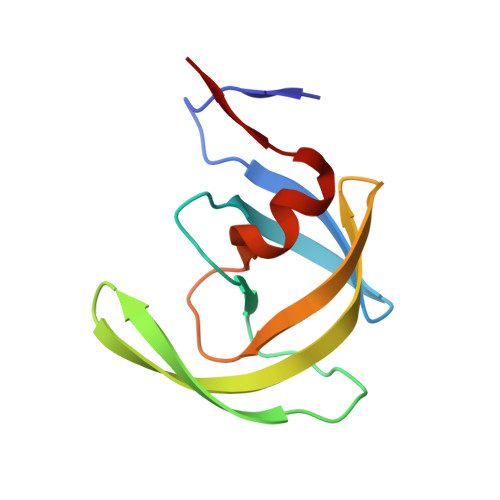
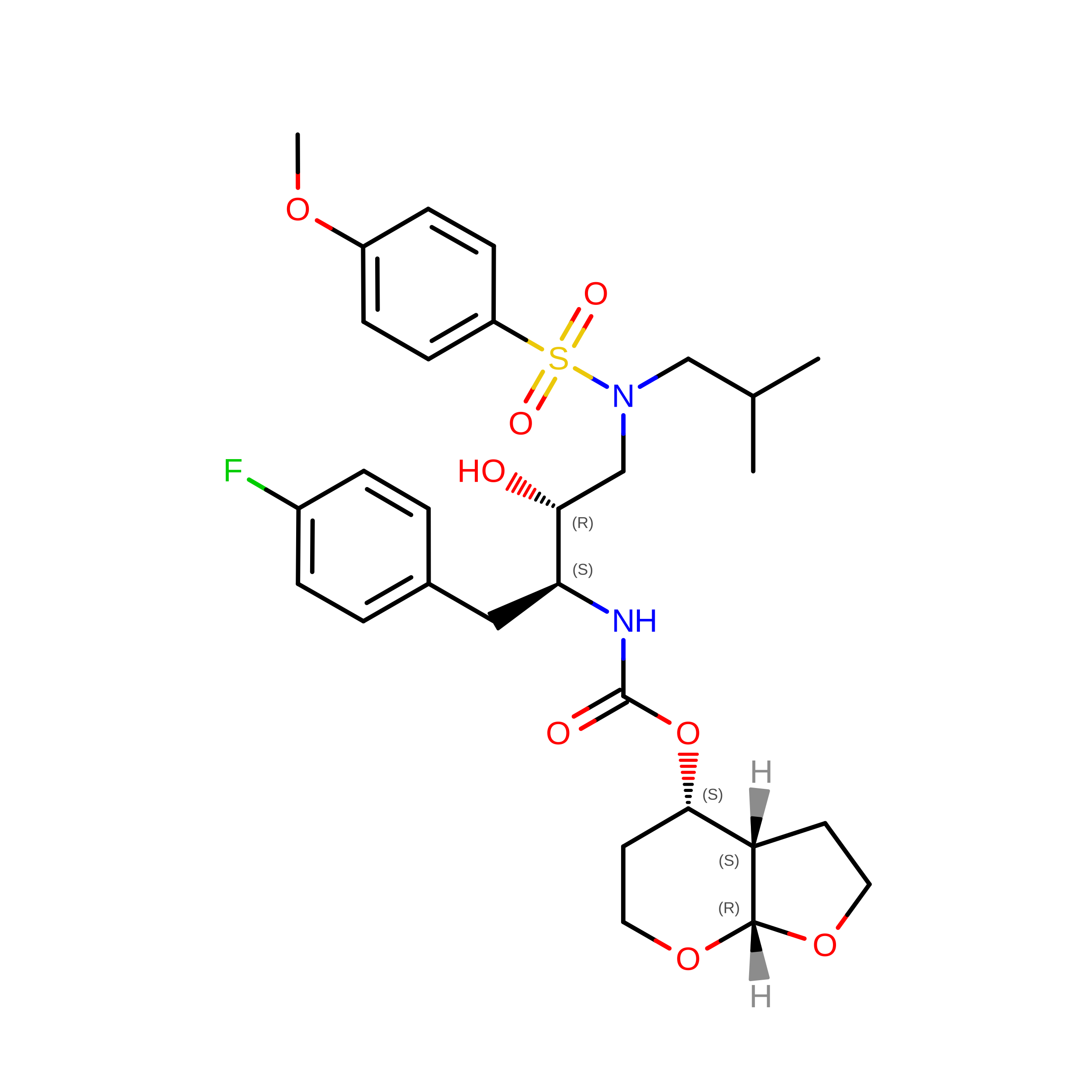
There is currently no specific therapeutics for the HIV-1-related central nervous system (CNS) complications. Here we report that three newly designed CNS-targeting HIV-1 protease inhibitors (PIs), GRL-083-13, GRL-084-13, and GRL-087-13, which contain a P1-3,5- bis -fluorophenyl or P1- para -monofluorophenyl ring, and P2- bis -tetrahydrofuran ( bis -THF) or P2-tetrahydropyrano-tetrahydrofuran ( Tp -THF), with a sulfonamide isostere, are highly active against wild-type HIV-1 strains and primary clinical isolates (50% effective concentration [EC 50 ], 0.0002 to ∼0.003 μM), with minimal cytotoxicity. These CNS-targeting PIs efficiently suppressed the replication of HIV-1 variants (EC 50 , 0.002 to ∼0.047 μM) that had been selected to propagate at high concentrations of conventional HIV-1 PIs. Such CNS-targeting PIs maintained their antiviral activity against HIV-2 ROD as well as multidrug-resistant clinical HIV-1 variants isolated from AIDS patients who no longer responded to existing antiviral regimens after long-term therapy. Long-term drug selection experiments revealed that the emergence of resistant-HIV-1 against these CNS-targeting PIs was substantially delayed. In addition, the CNS-targeting PIs showed the most favorable CNS penetration properties among the tested compounds, including various FDA-approved anti-HIV-1 drugs, as assessed with the in vitro blood-brain barrier reconstruction system. Crystallographic analysis demonstrated that the bicyclic rings at the P2 moiety of the CNS-targeting PIs form strong hydrogen-bond interactions with HIV-1 protease (PR) active site. Moreover, both the P1-3,5- bis -fluorophenyl and P1- para -monofluorophenyl rings sustain greater van der Waals contacts with PR than in the case of darunavir (DRV). The data suggest that the present CNS-targeting PIs have desirable features for treating patients infected with wild-type and/or multidrug-resistant HIV-1 strains and might serve as promising preventive and/or therapeutic candidates for HIV-1-associated neurocognitive disorders (HAND) and other CNS complications.
- Department of Infectious Diseases, Kumamoto University School of Medicine, Kumamoto, Japan.
Organizational Affiliation: