Download Mendeley
Ensemble cryo-EM uncovers inchworm-like translocation of a viral IRES through the ribosome.
Abeyrathne, P.D., Koh, C.S., Grant, T., Grigorieff, N., Korostelev, A.A.(2016) Elife 5
- PubMed: 27159452 Search on PubMedSearch on PubMed Central
- DOI: https://doi.org/10.7554/eLife.14874
- Primary Citation Related Structures:
5JUO, 5JUP, 5JUS, 5JUT, 5JUU - PubMed Abstract:
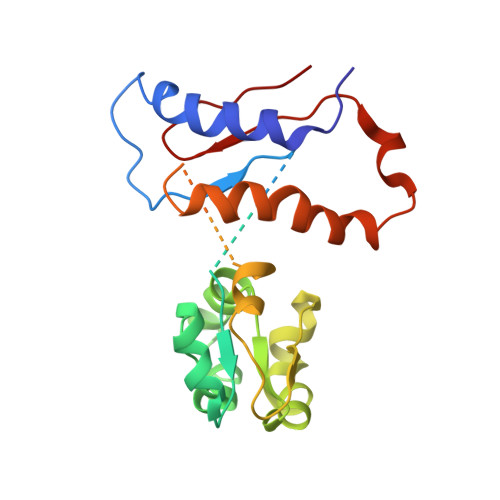
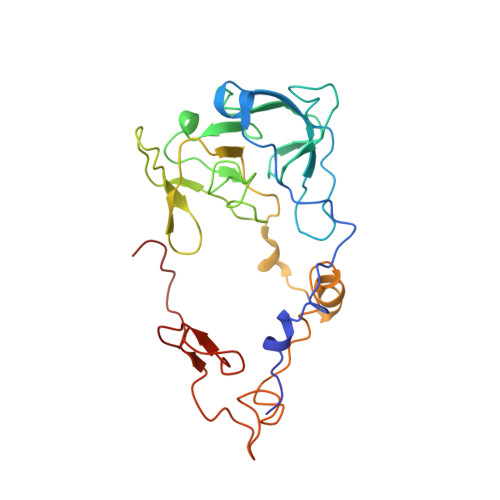
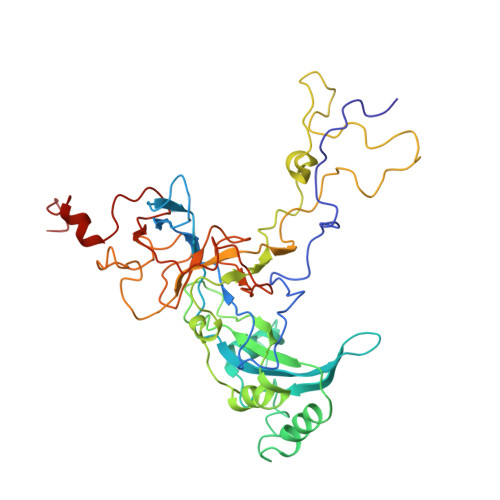
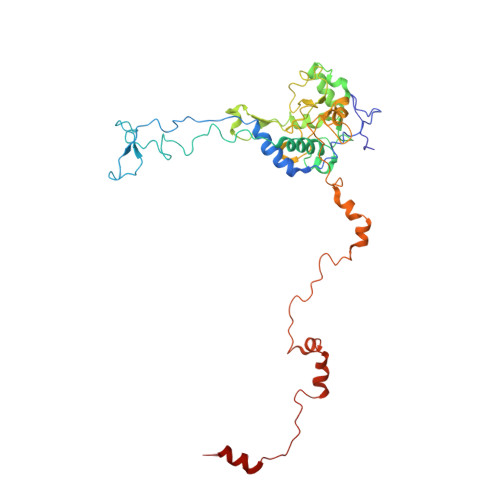
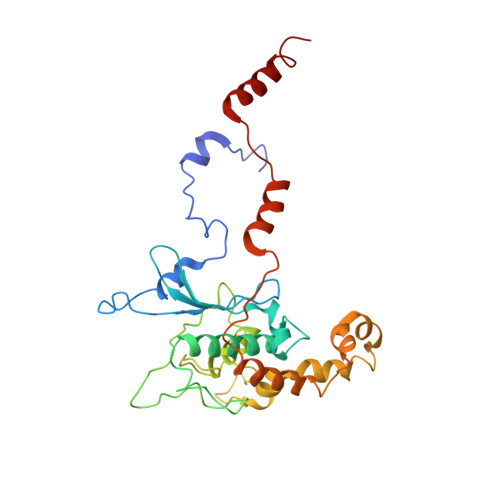
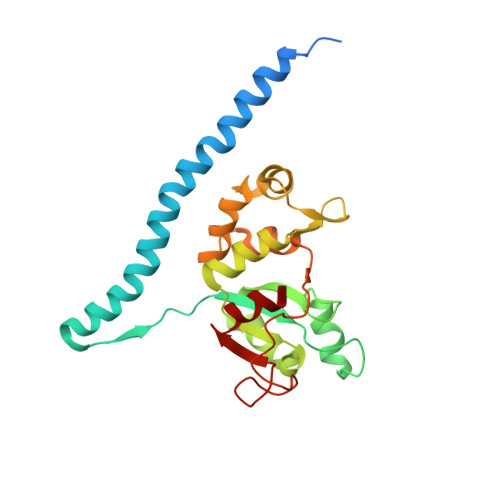
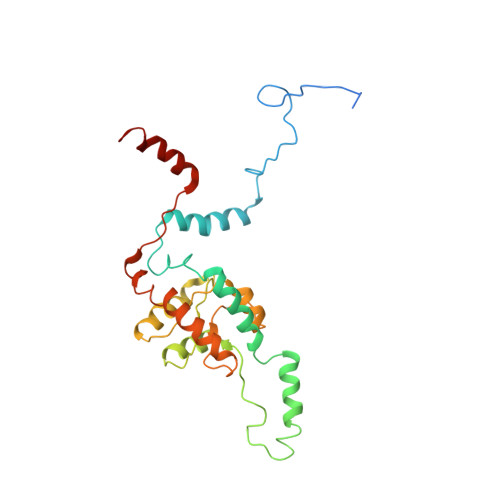
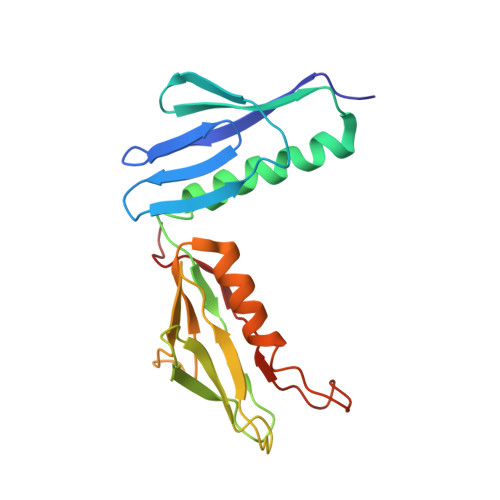
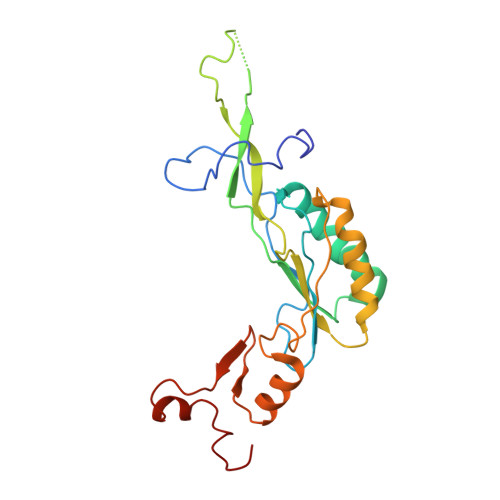
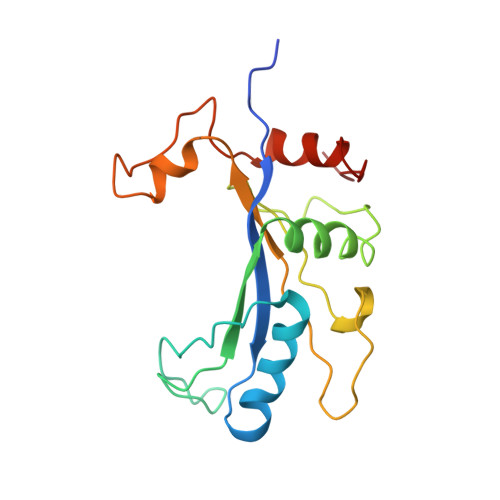
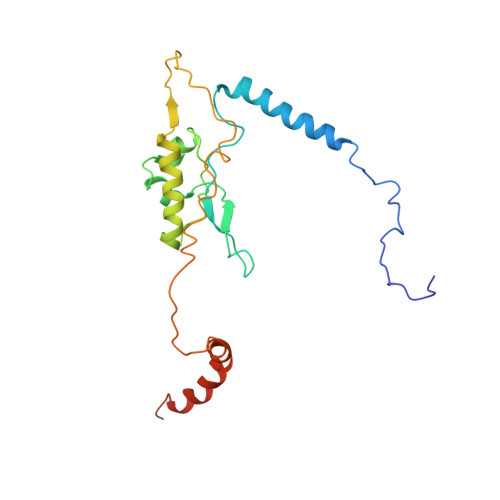
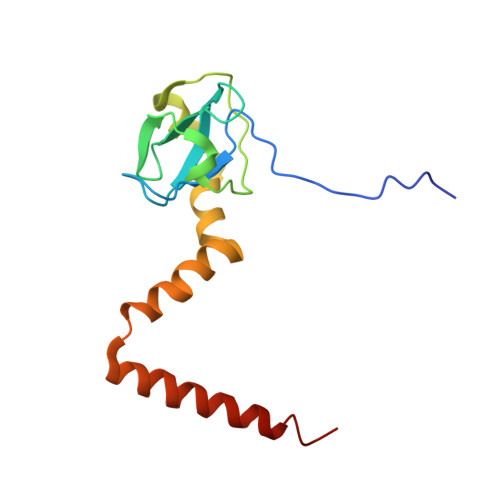
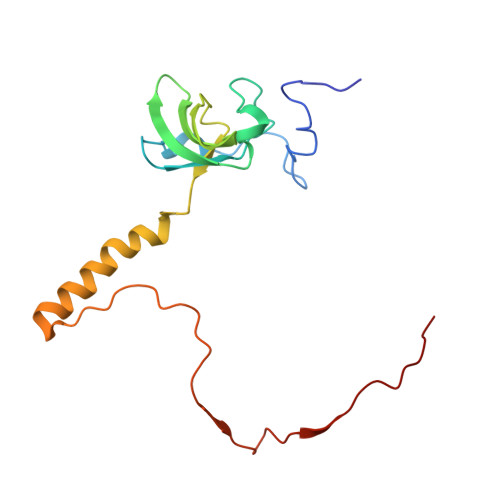
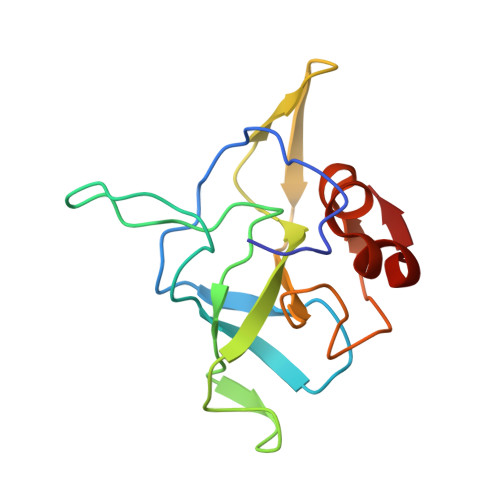
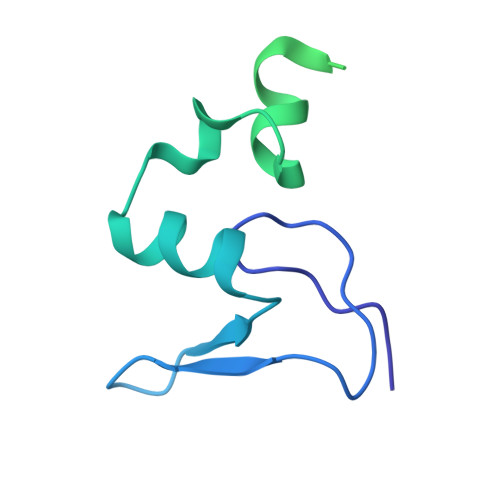
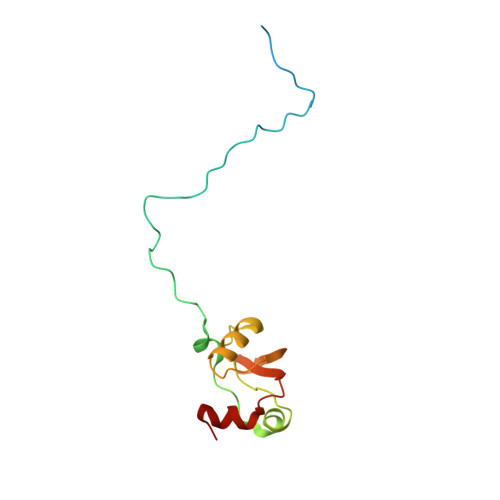
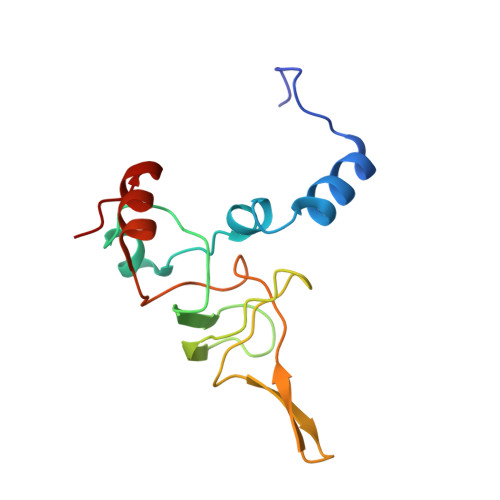
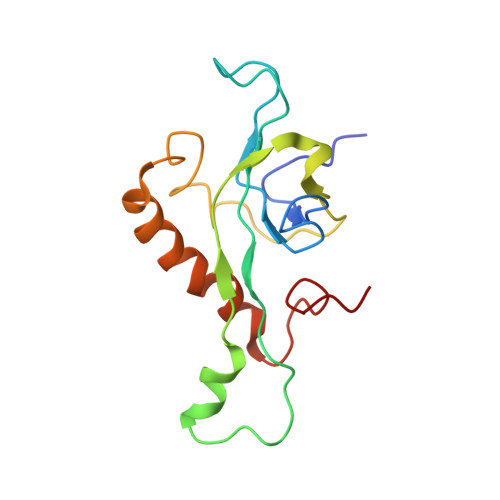
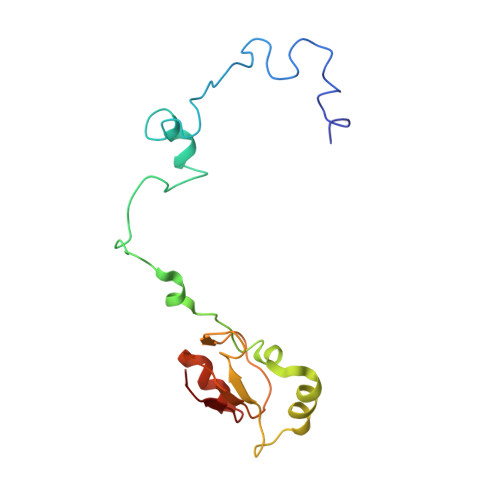
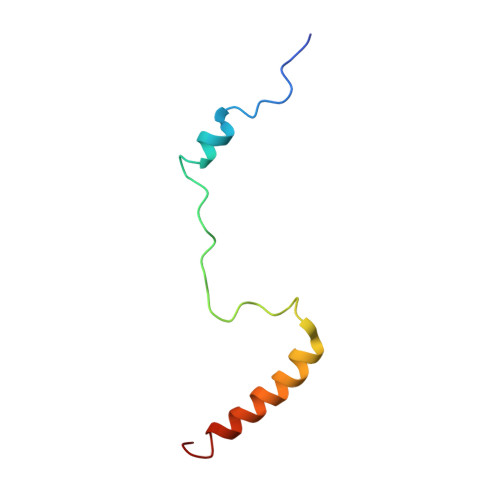
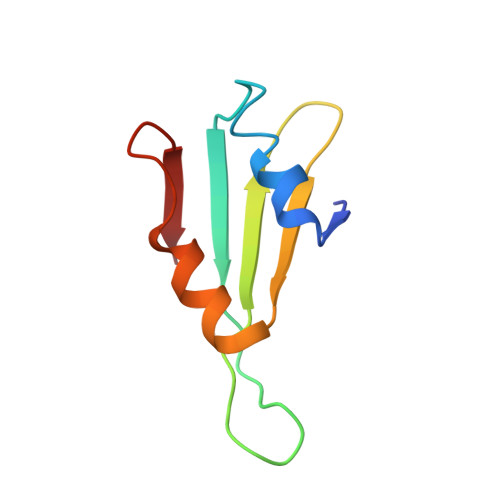
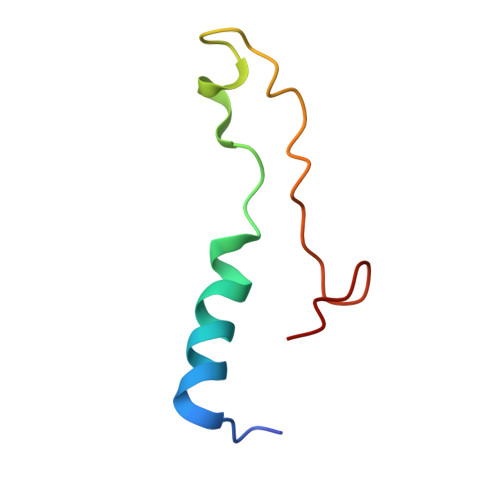
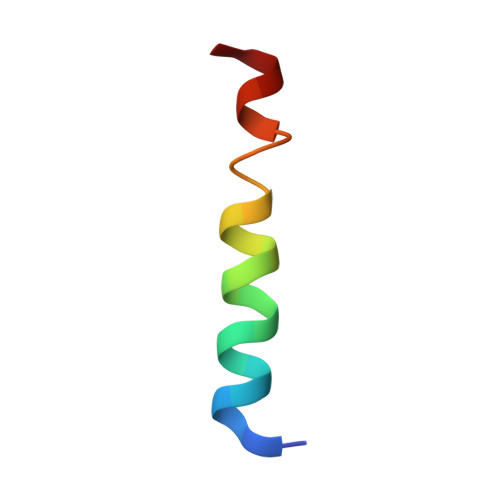
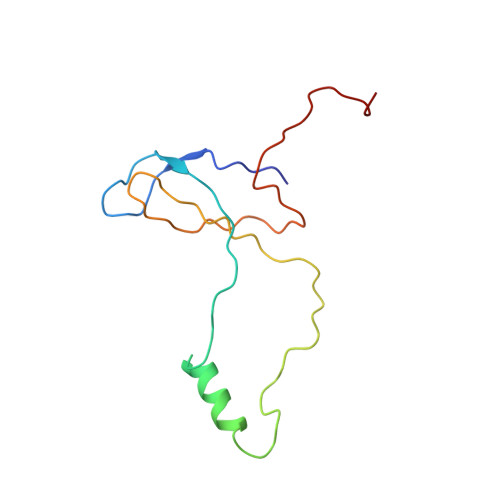
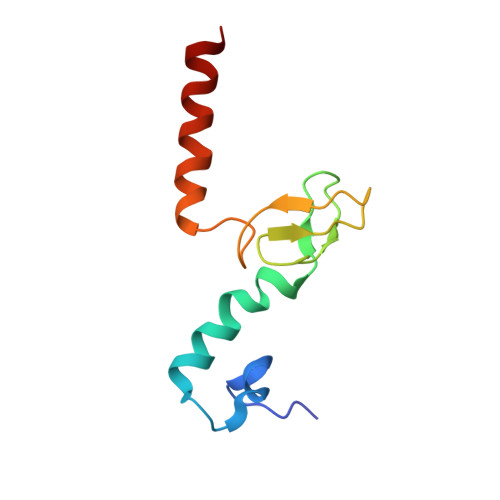
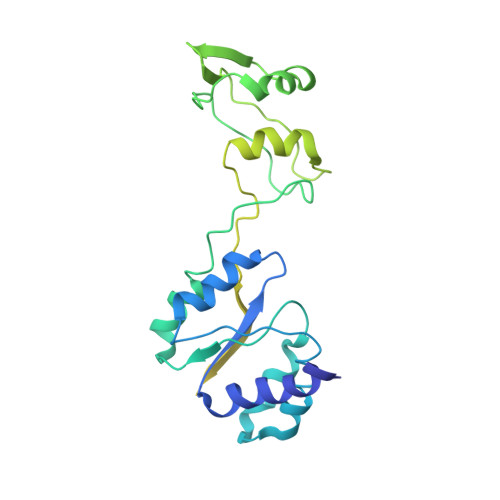
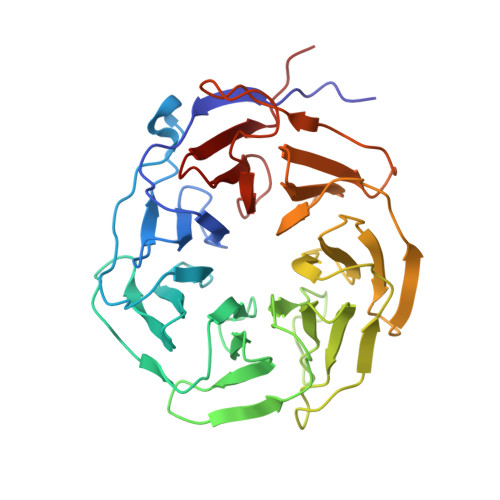
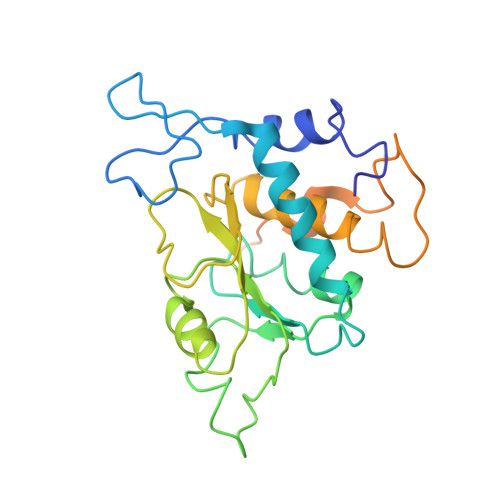
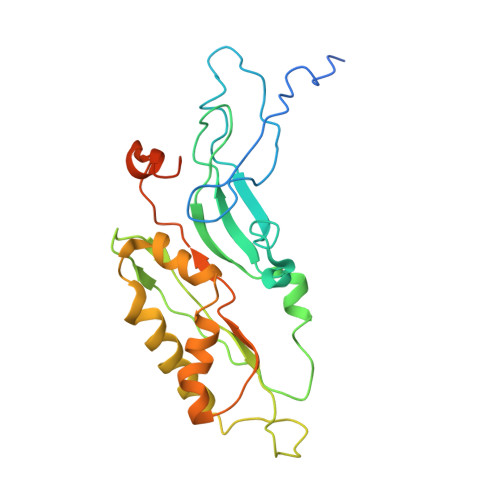
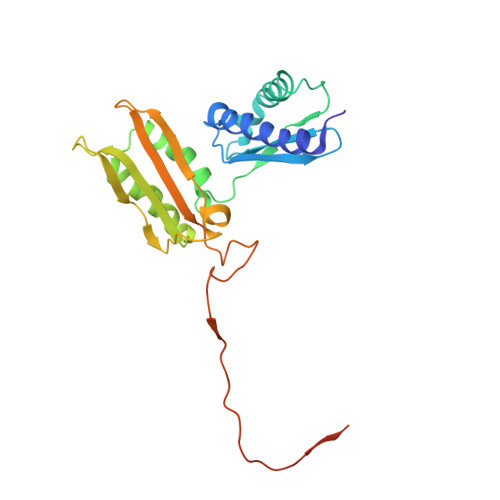
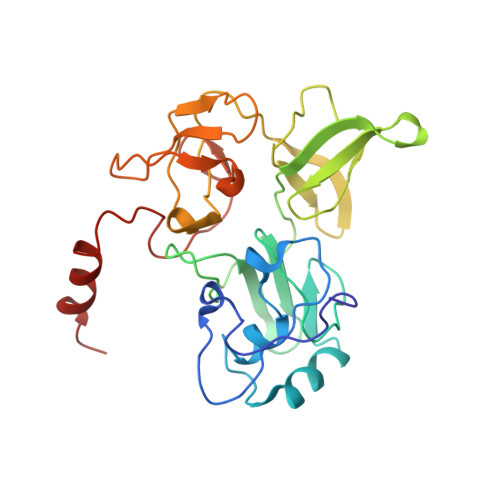
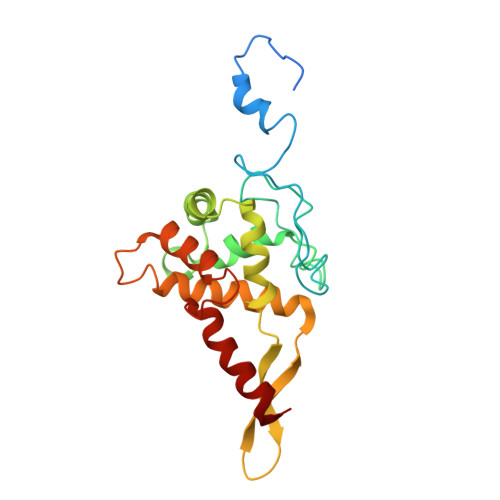
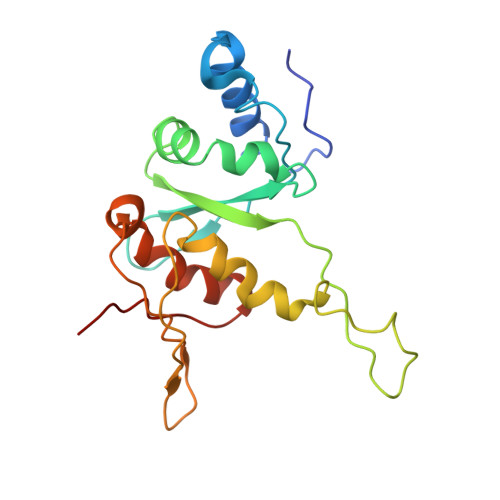
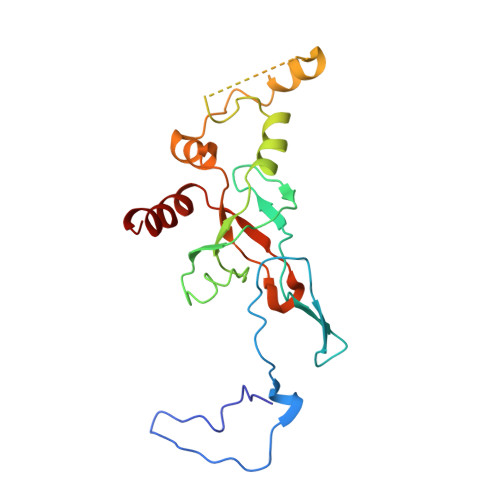
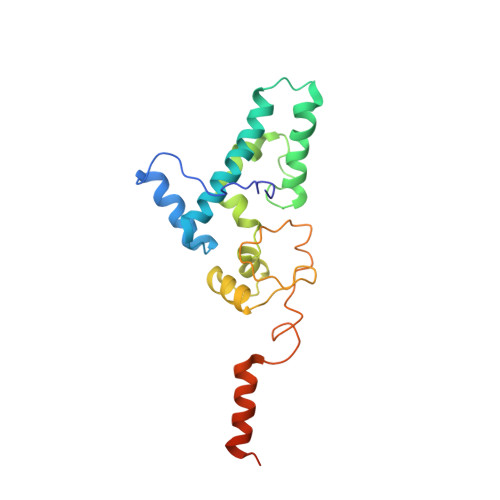
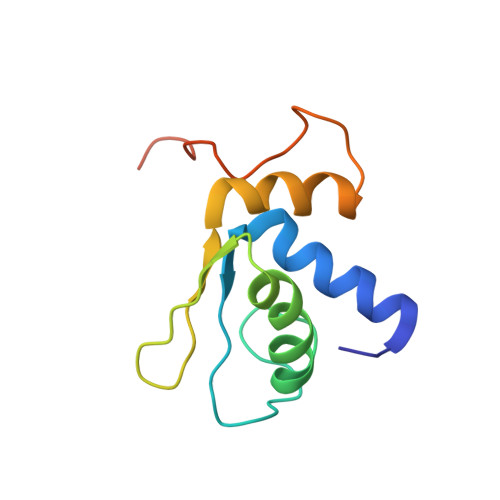
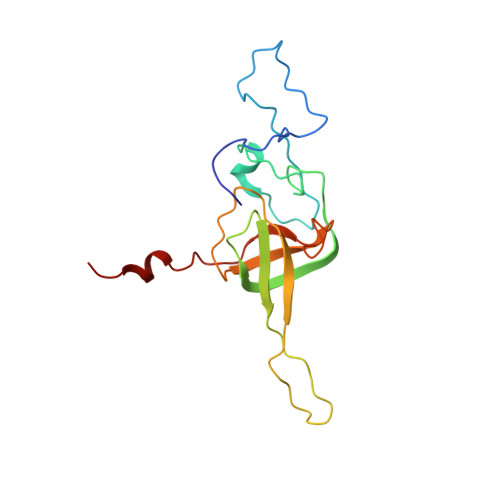
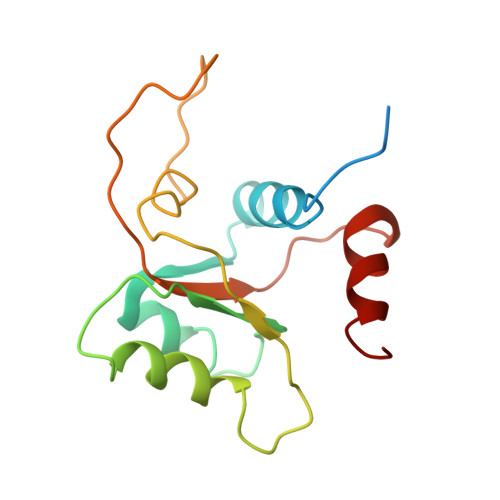
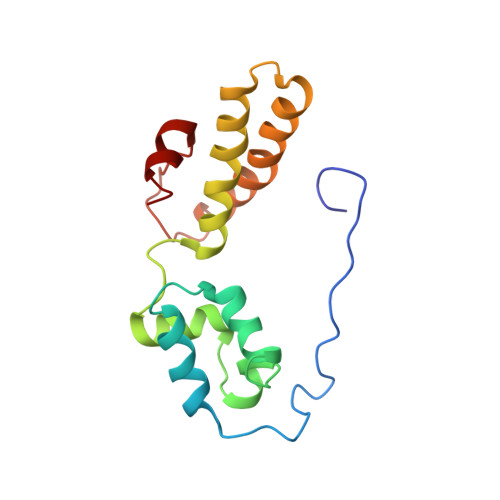
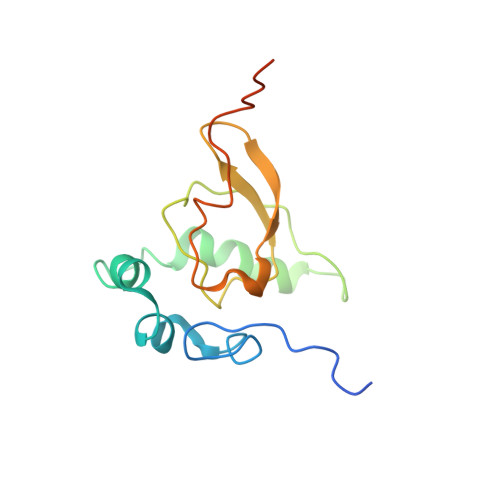
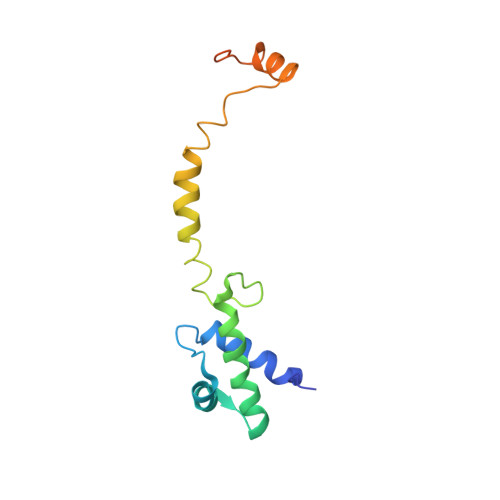
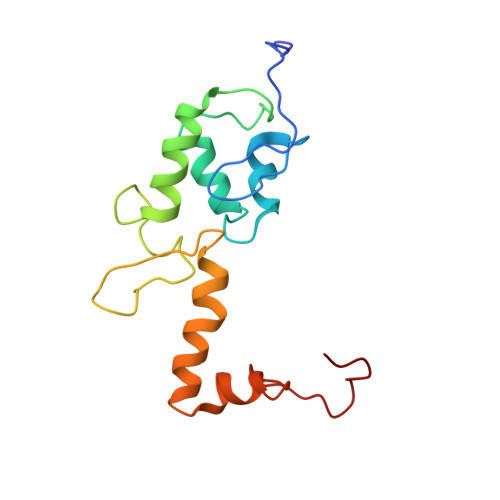
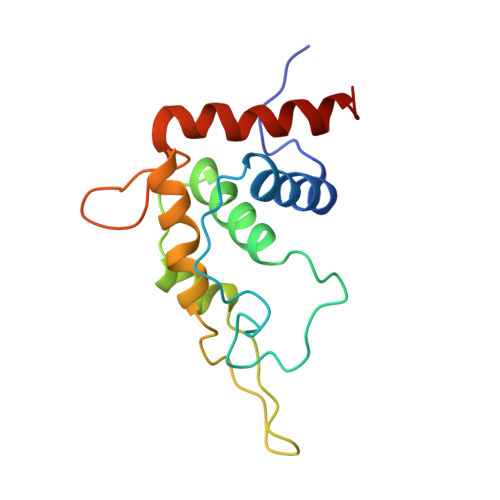
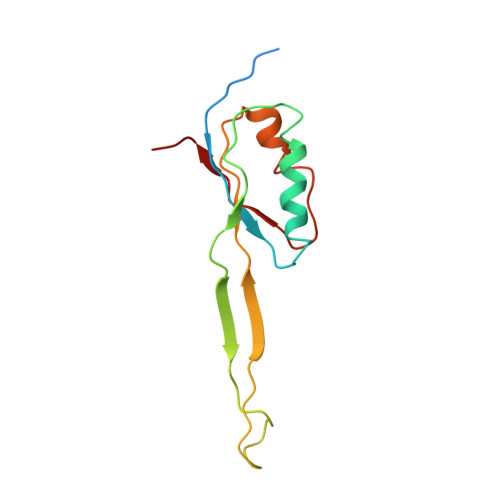
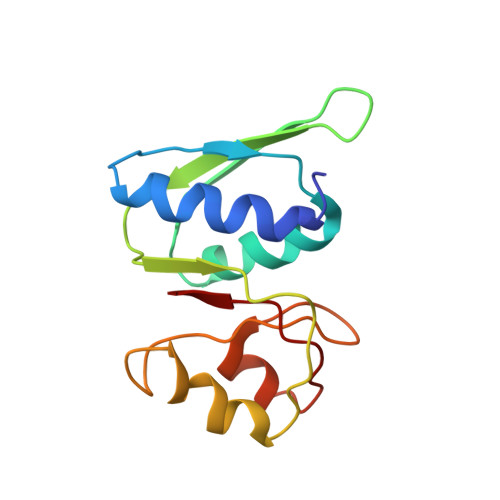
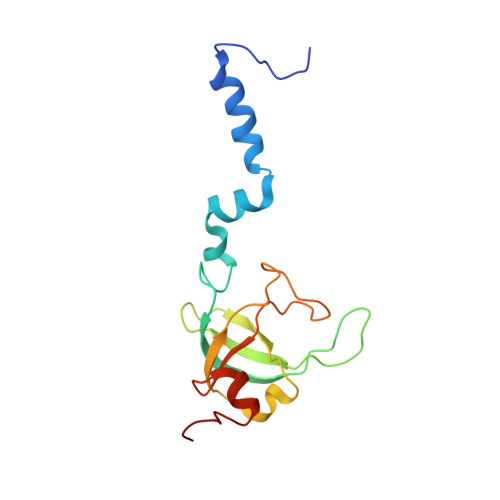
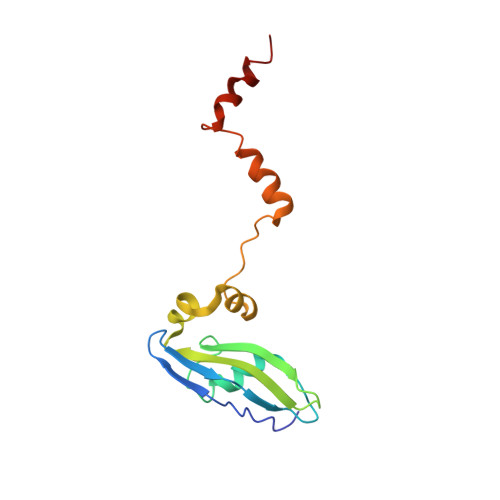
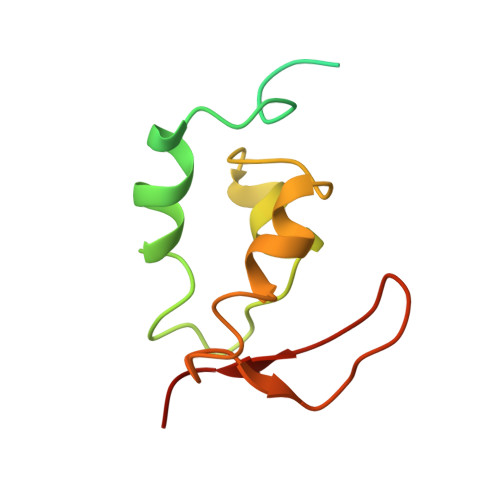
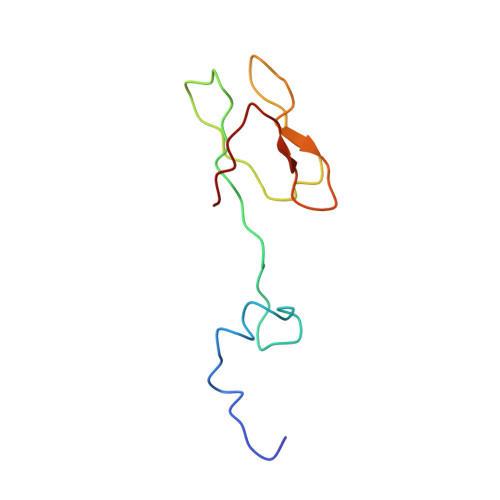
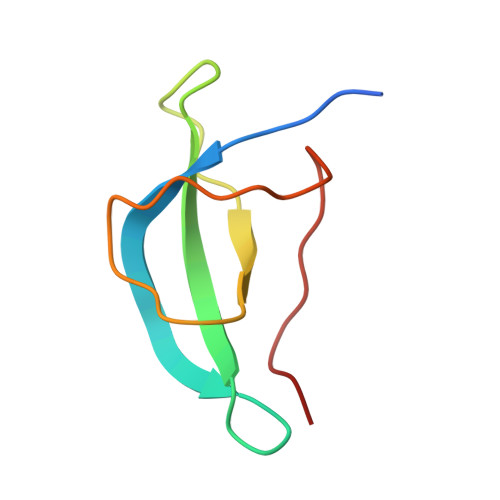
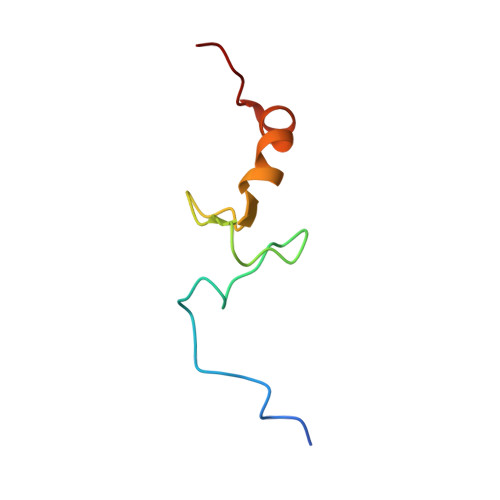
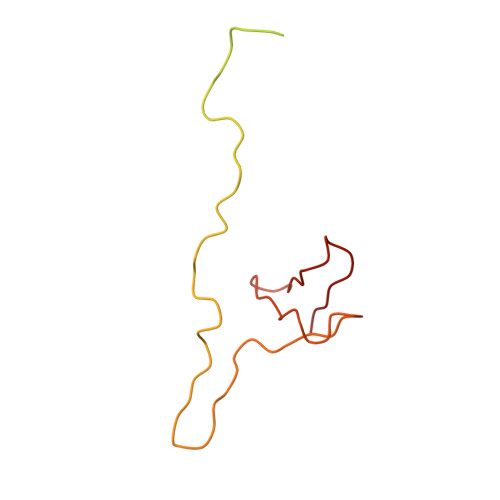
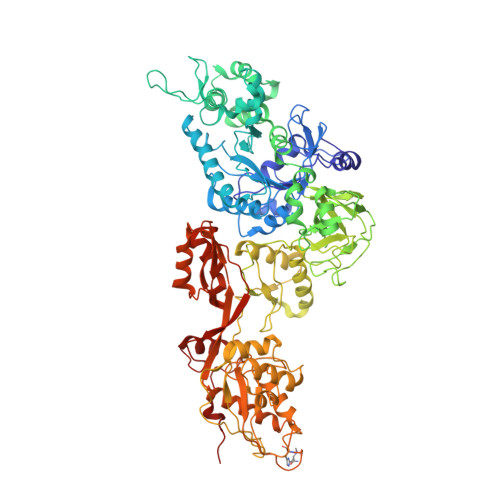
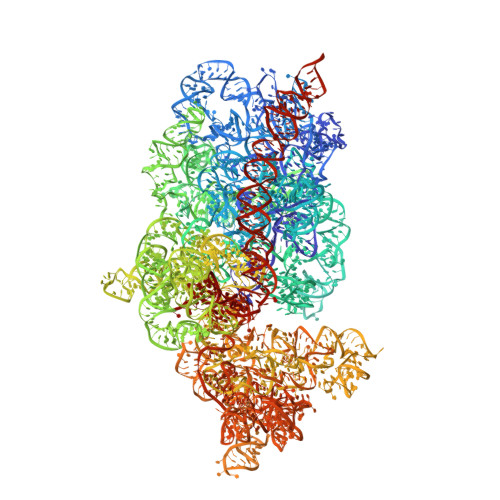
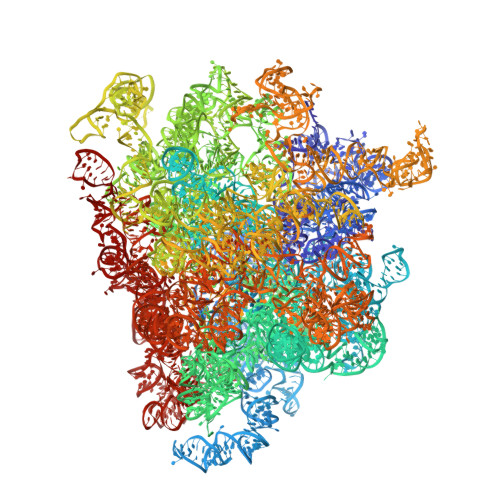
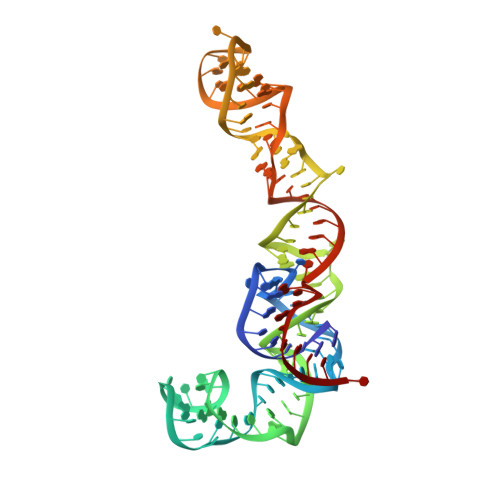
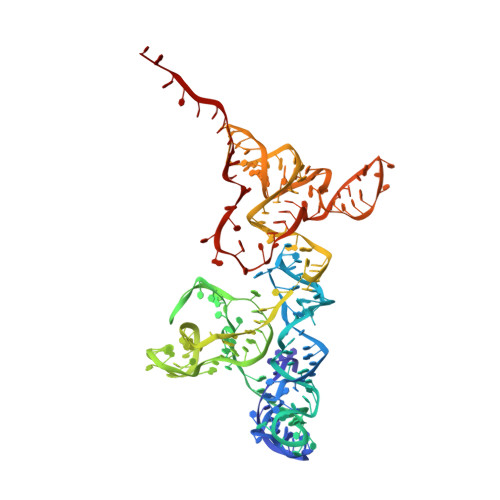
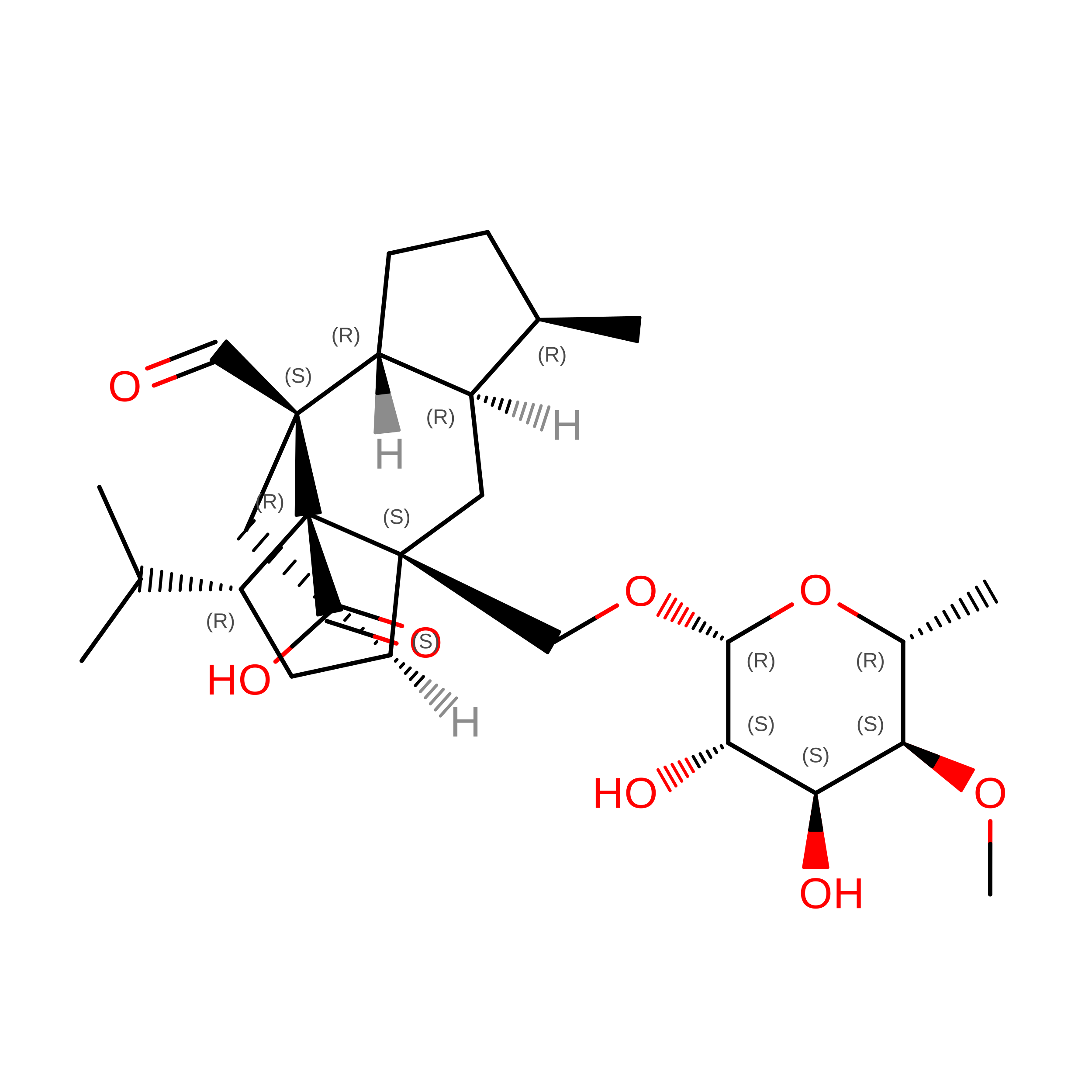
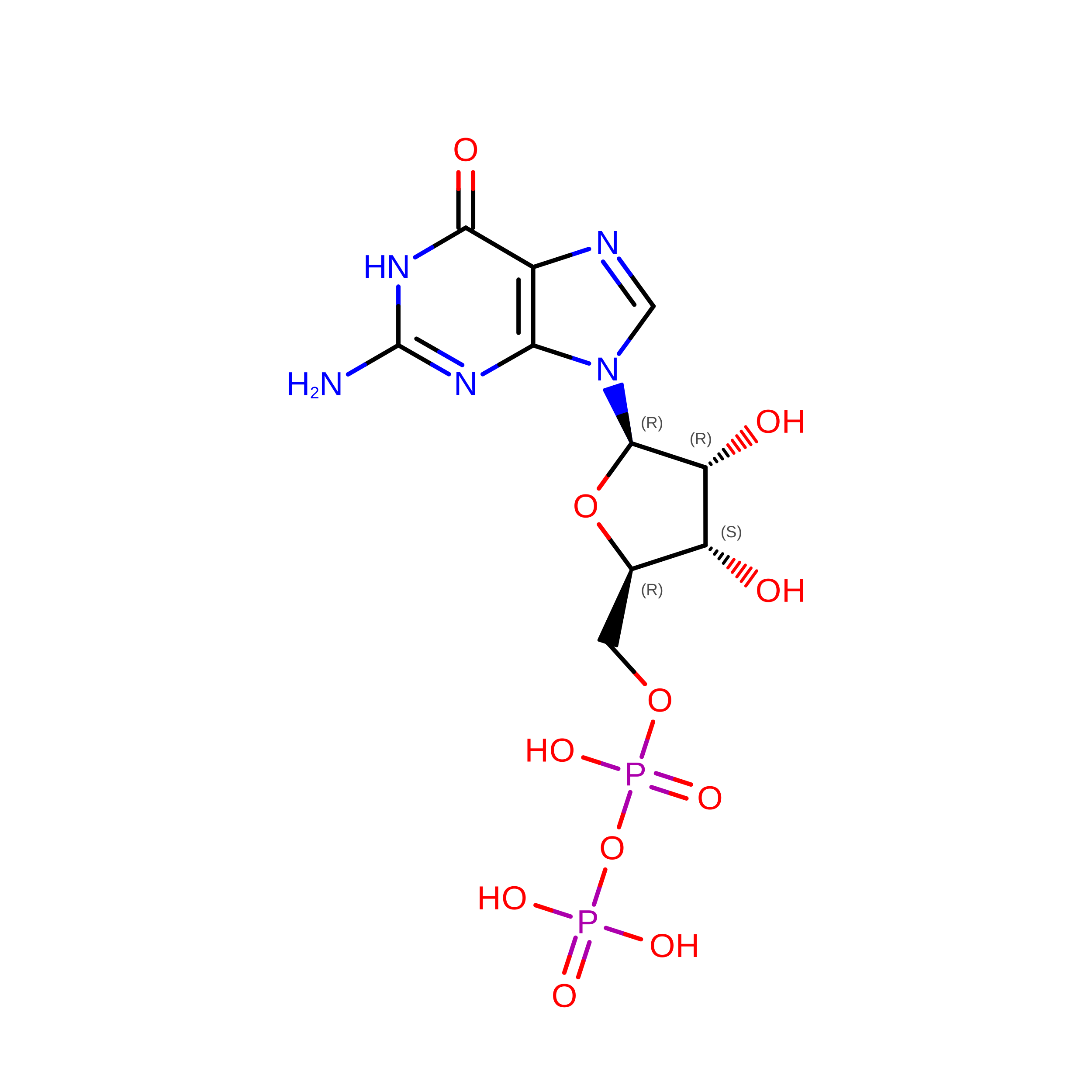
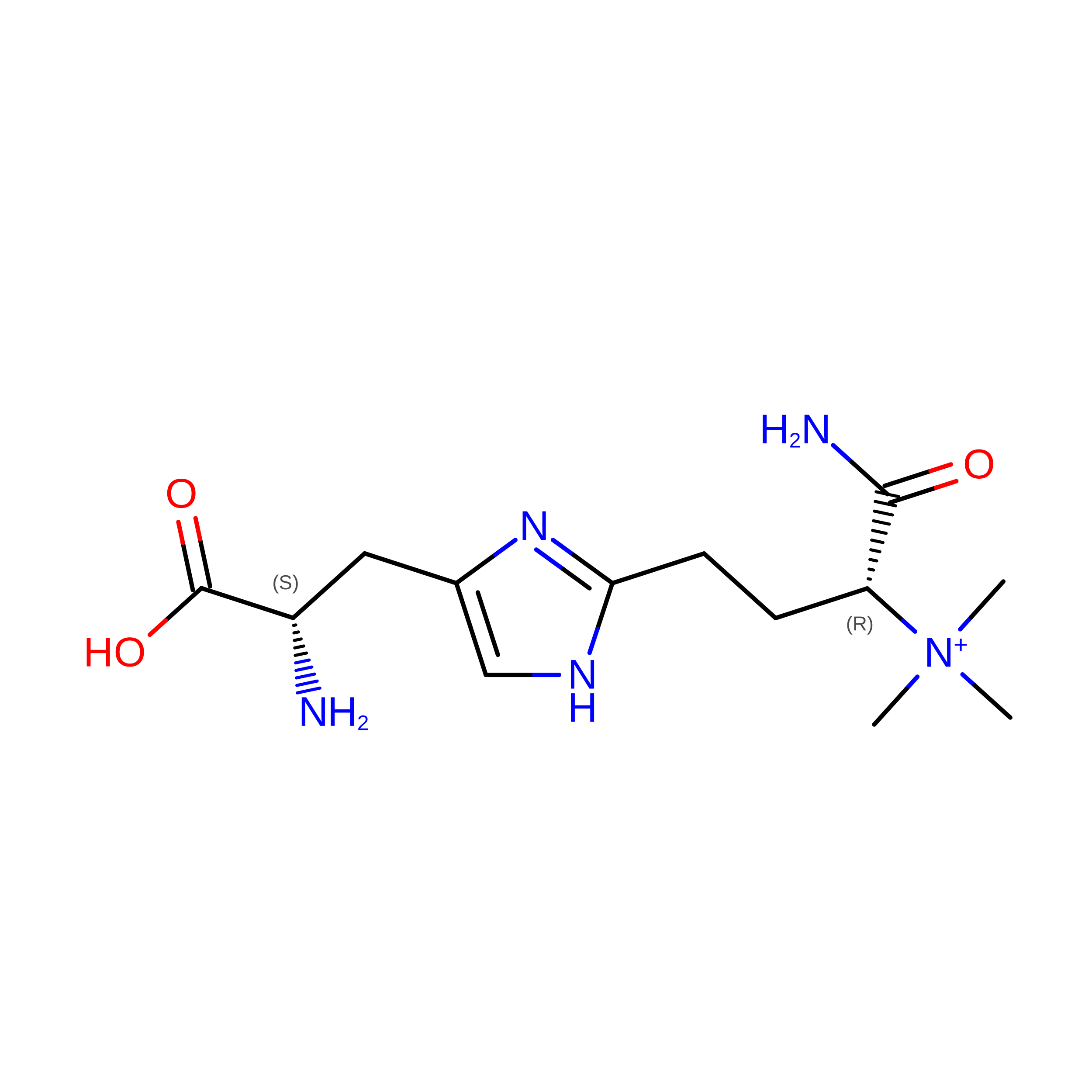
Internal ribosome entry sites (IRESs) mediate cap-independent translation of viral mRNAs. Using electron cryo-microscopy of a single specimen, we present five ribosome structures formed with the Taura syndrome virus IRES and translocase eEF2•GTP bound with sordarin. The structures suggest a trajectory of IRES translocation, required for translation initiation, and provide an unprecedented view of eEF2 dynamics. The IRES rearranges from extended to bent to extended conformations. This inchworm-like movement is coupled with ribosomal inter-subunit rotation and 40S head swivel. eEF2, attached to the 60S subunit, slides along the rotating 40S subunit to enter the A site. Its diphthamide-bearing tip at domain IV separates the tRNA-mRNA-like pseudoknot I (PKI) of the IRES from the decoding center. This unlocks 40S domains, facilitating head swivel and biasing IRES translocation via hitherto-elusive intermediates with PKI captured between the A and P sites. The structures suggest missing links in our understanding of tRNA translocation.
- Janelia Research Campus, Howard Hughes Medical Institute, Ashburn, United States.
Organizational Affiliation: