4RBM | pdb_00004rbm

Porphyromonas gingivalis gingipain K (Kgp) catalytic and immunoglobulin superfamily-like domains


Experimental Data Snapshot

  • Method: X-RAY DIFFRACTION
  • Resolution: 1.75 Å
  • R-Value Free: 
    0.172 (Depositor), 0.177 (DCC) 
  • R-Value Work: 
    0.149 (Depositor), 0.150 (DCC) 
  • R-Value Observed: 
    0.150 (Depositor) 

Starting Model: experimental
View more details

wwPDB Validation 3D Report Full Report

Validation slider image for 4RBM

Ligand Structure Quality Assessment 


This is version 2.0 of the entry. See complete history

Literature

Structure and Mechanism of Cysteine Peptidase Gingipain K (Kgp), a Major Virulence Factor of Porphyromonas gingivalis in Periodontitis.

de Diego, I.Veillard, F.Sztukowska, M.N.Guevara, T.Potempa, B.Pomowski, A.Huntington, J.A.Potempa, J.Gomis-Ruth, F.X.

(2014) J Biological Chem 289: 32291-32302

  • DOI: https://doi.org/10.1074/jbc.M114.602052
  • Primary Citation Related Structures: 
    4RBM

  • PubMed Abstract: 

    Cysteine peptidases are key proteolytic virulence factors of the periodontopathogen Porphyromonas gingivalis, which causes chronic periodontitis, the most prevalent dysbiosis-driven disease in humans. Two peptidases, gingipain K (Kgp) and R (RgpA and RgpB), which differ in their selectivity after lysines and arginines, respectively, collectively account for 85% of the extracellular proteolytic activity of P. gingivalis at the site of infection. Therefore, they are promising targets for the design of specific inhibitors. Although the structure of the catalytic domain of RgpB is known, little is known about Kgp, which shares only 27% sequence identity. We report the high resolution crystal structure of a competent fragment of Kgp encompassing the catalytic cysteine peptidase domain and a downstream immunoglobulin superfamily-like domain, which is required for folding and secretion of Kgp in vivo. The structure, which strikingly resembles a tooth, was serendipitously trapped with a fragment of a covalent inhibitor targeting the catalytic cysteine. This provided accurate insight into the active site and suggested that catalysis may require a catalytic triad, Cys(477)-His(444)-Asp(388), rather than the cysteine-histidine dyad normally found in cysteine peptidases. In addition, a 20-Å-long solvent-filled interior channel traverses the molecule and links the bottom of the specificity pocket with the molecular surface opposite the active site cleft. This channel, absent in RgpB, may enhance the plasticity of the enzyme, which would explain the much lower activity in vitro toward comparable specific synthetic substrates. Overall, the present results report the architecture and molecular determinants of the working mechanism of Kgp, including interaction with its substrates.


  • Organizational Affiliation
    • Proteolysis Lab, Molecular Biology Institute of Barcelona, Spanish Research Council (Consejo Superior de Investigaciones Cientificas), Barcelona Science Park, Helix Building, Baldiri Reixac 15-21, 08028 Barcelona, Catalonia, Spain.

Macromolecule Content 

  • Total Structure Weight: 52.13 kDa 
  • Atom Count: 4,124 
  • Modeled Residue Count: 452 
  • Deposited Residue Count: 461 
  • Unique protein chains: 1

Macromolecules

Find similar proteins by:|  3D Structure
Entity ID: 1
MoleculeChains  Sequence LengthOrganismDetailsImage
Lys-gingipain W83461Porphyromonas gingivalisMutation(s): 0 
Gene Names: kgpprtKprtP
EC: 3.4.22.47
UniProt
Find proteins for Q51817 (Porphyromonas gingivalis)
Explore Q51817 
Go to UniProtKB:  Q51817
Entity Groups
Sequence Clusters30% Identity50% Identity70% Identity90% Identity95% Identity100% Identity
UniProt GroupQ51817
Sequence Annotations
Expand
Reference Sequence

Small Molecules

Ligands 8 Unique
IDChains Name / Formula / InChI Key2D Diagram3D Interactions
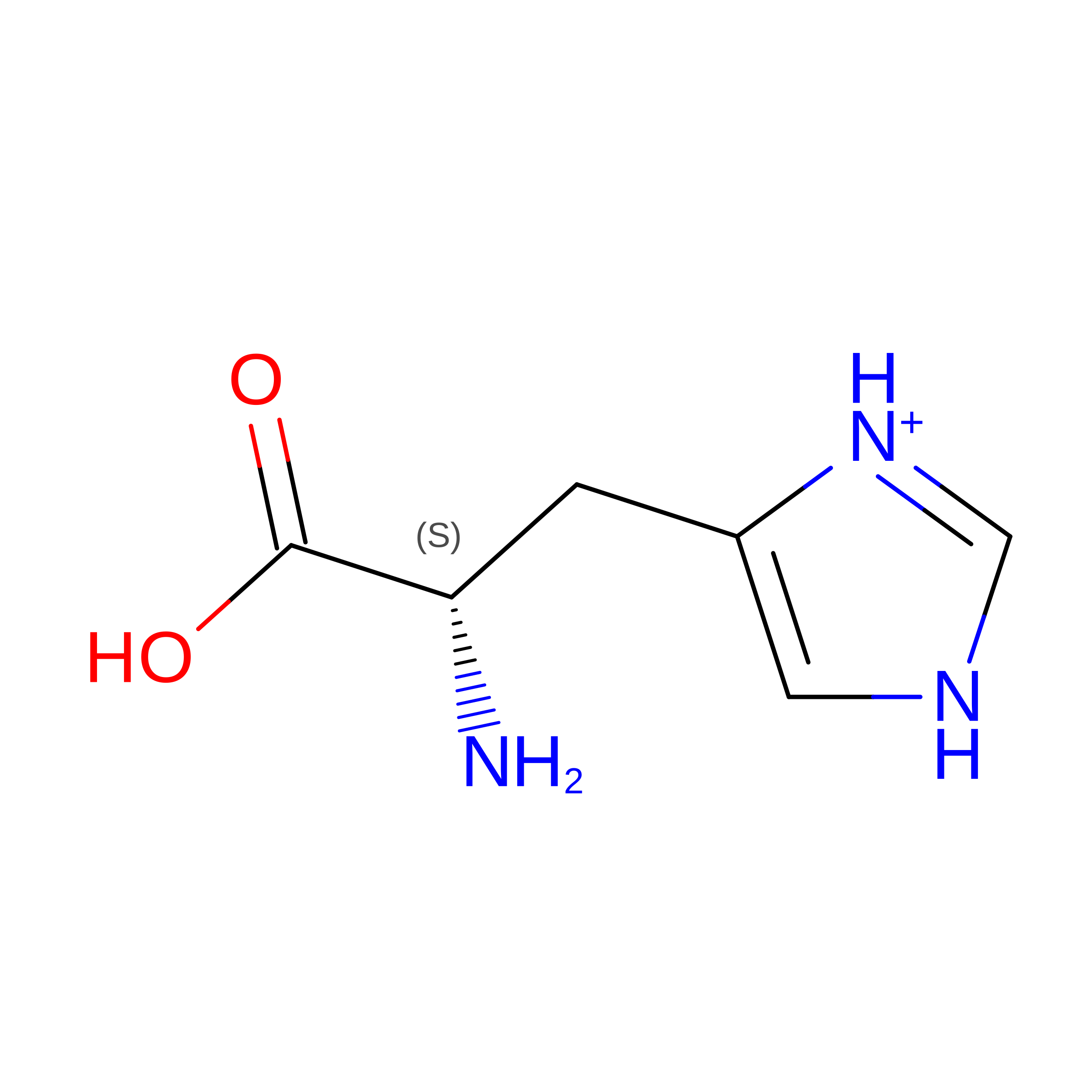
HIS

Query on HIS


Download:Ideal Coordinates CCD File
H [auth A]HISTIDINE
C6 H10 N3 O2
HNDVDQJCIGZPNO-YFKPBYRVSA-O
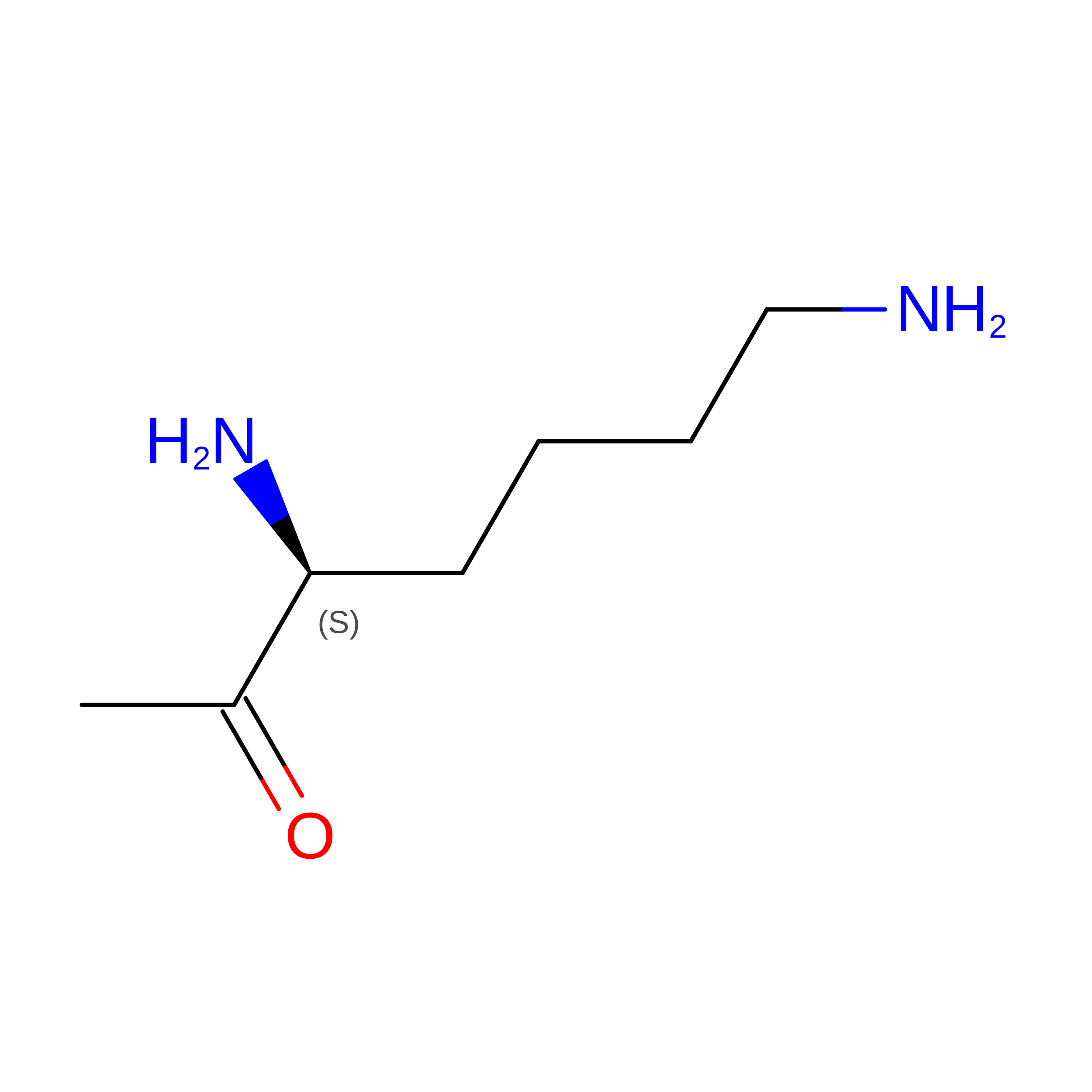
CKC

Query on CKC


Download:Ideal Coordinates CCD File
R [auth A](3S)-3,7-diaminoheptan-2-one
C7 H16 N2 O
FADKJNSSIWTVAI-ZETCQYMHSA-N
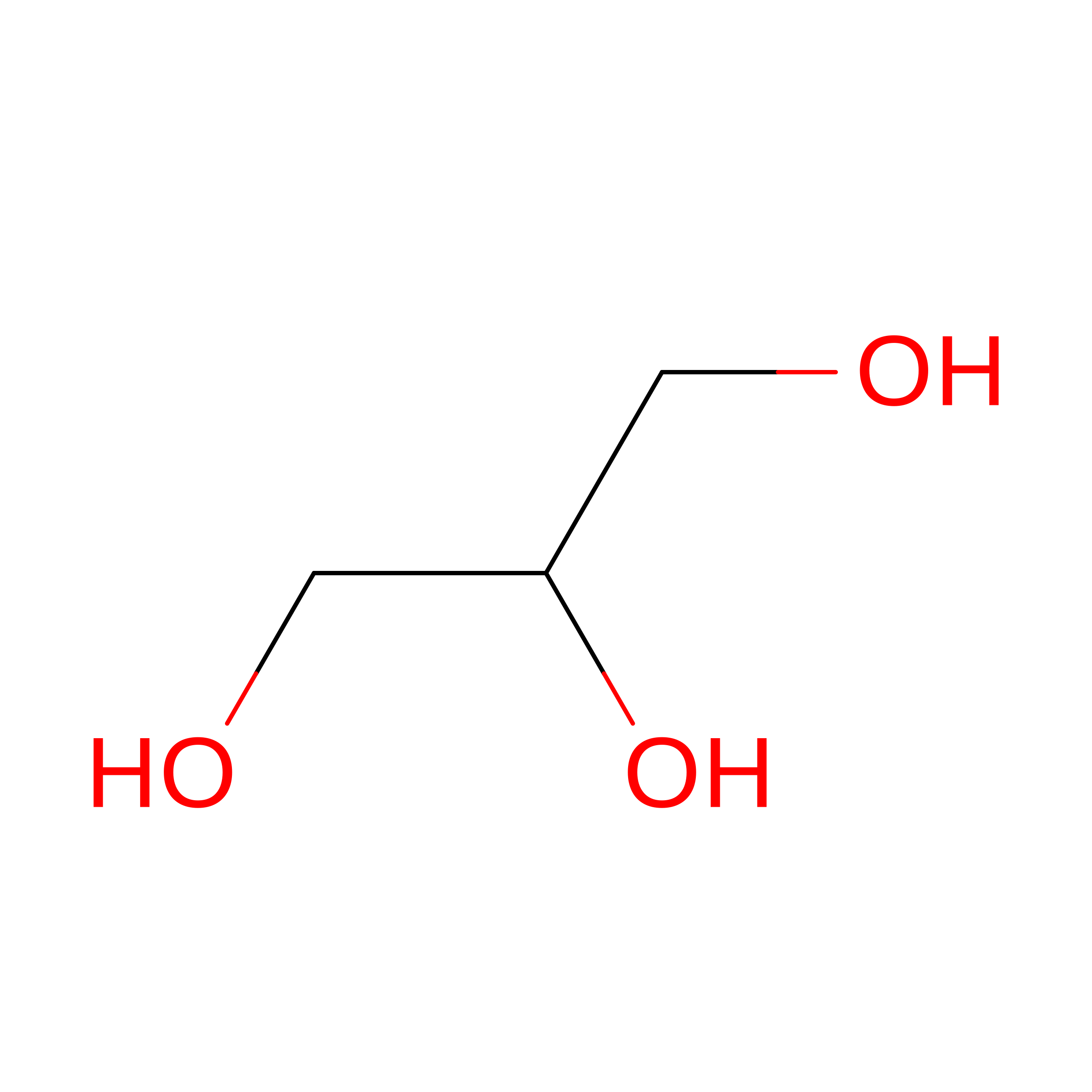
GOL

Query on GOL


Download:Ideal Coordinates CCD File
N [auth A],
O [auth A],
P [auth A],
Q [auth A]
GLYCEROL
C3 H8 O3
PEDCQBHIVMGVHV-UHFFFAOYSA-N
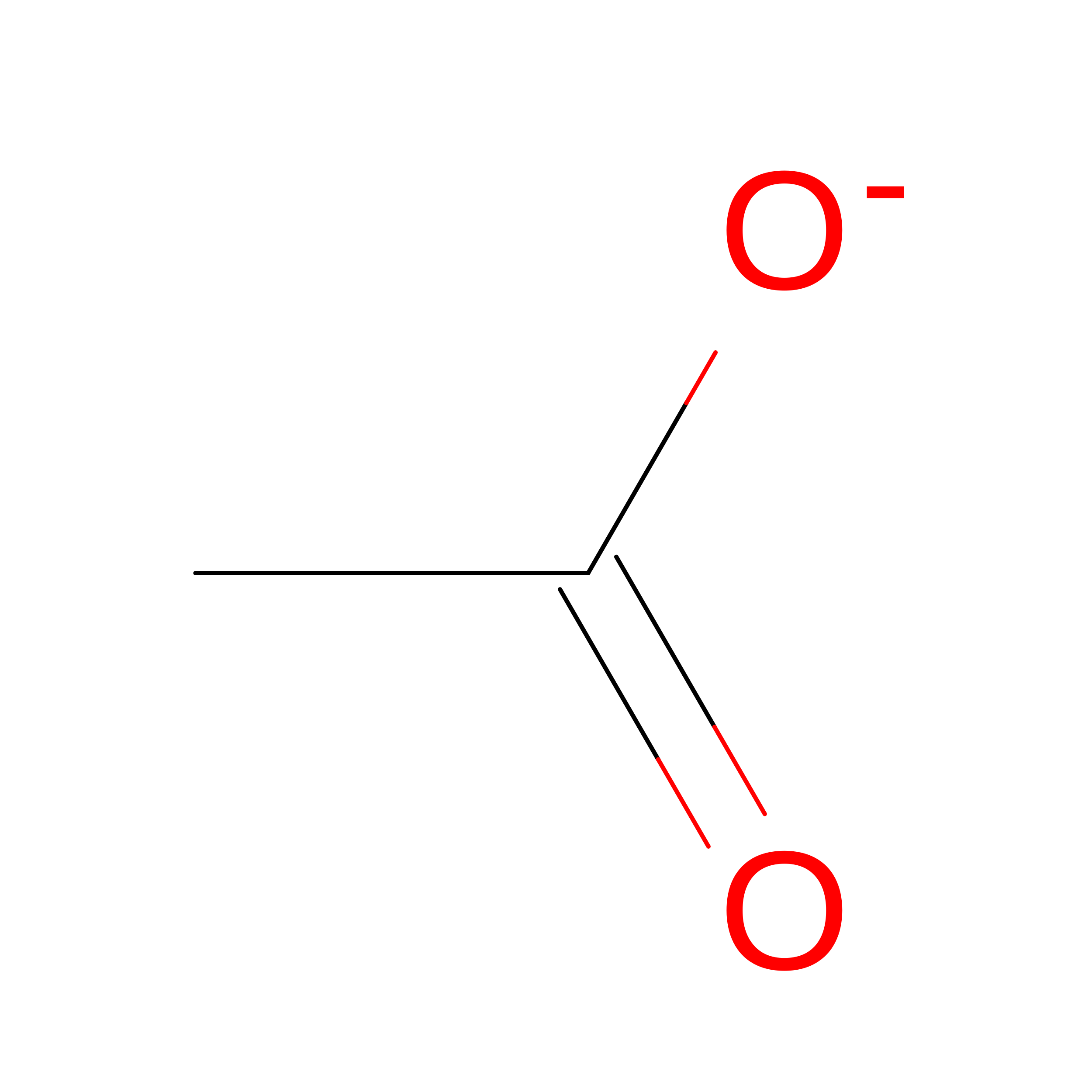
ACT

Query on ACT


Download:Ideal Coordinates CCD File
I [auth A],
J [auth A]
ACETATE ION
C2 H3 O2
QTBSBXVTEAMEQO-UHFFFAOYSA-M
NI

Query on NI


Download:Ideal Coordinates CCD File
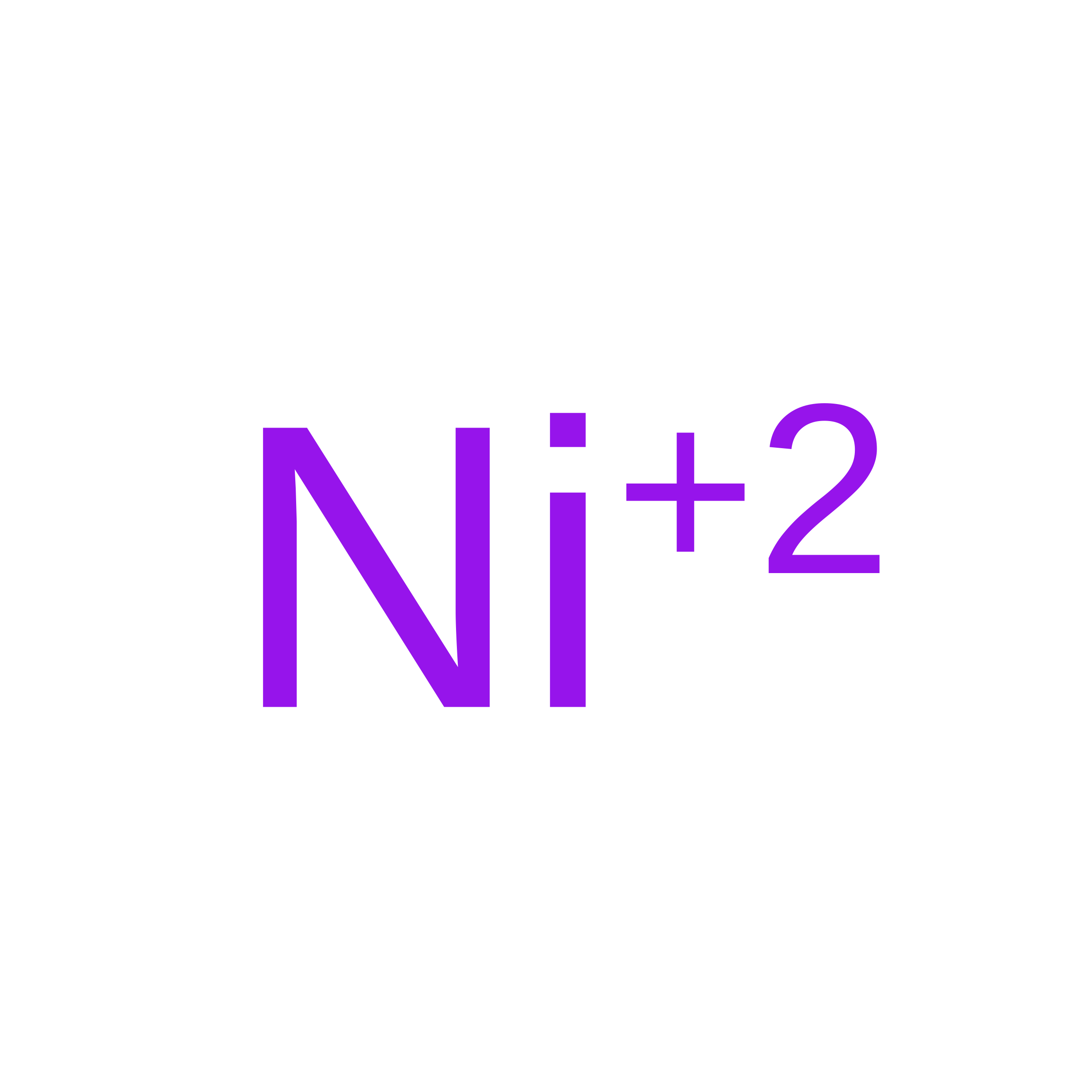
F [auth A]NICKEL (II) ION
Ni
VEQPNABPJHWNSG-UHFFFAOYSA-N
AZI

Query on AZI


Download:Ideal Coordinates CCD File
K [auth A],
L [auth A],
M [auth A]
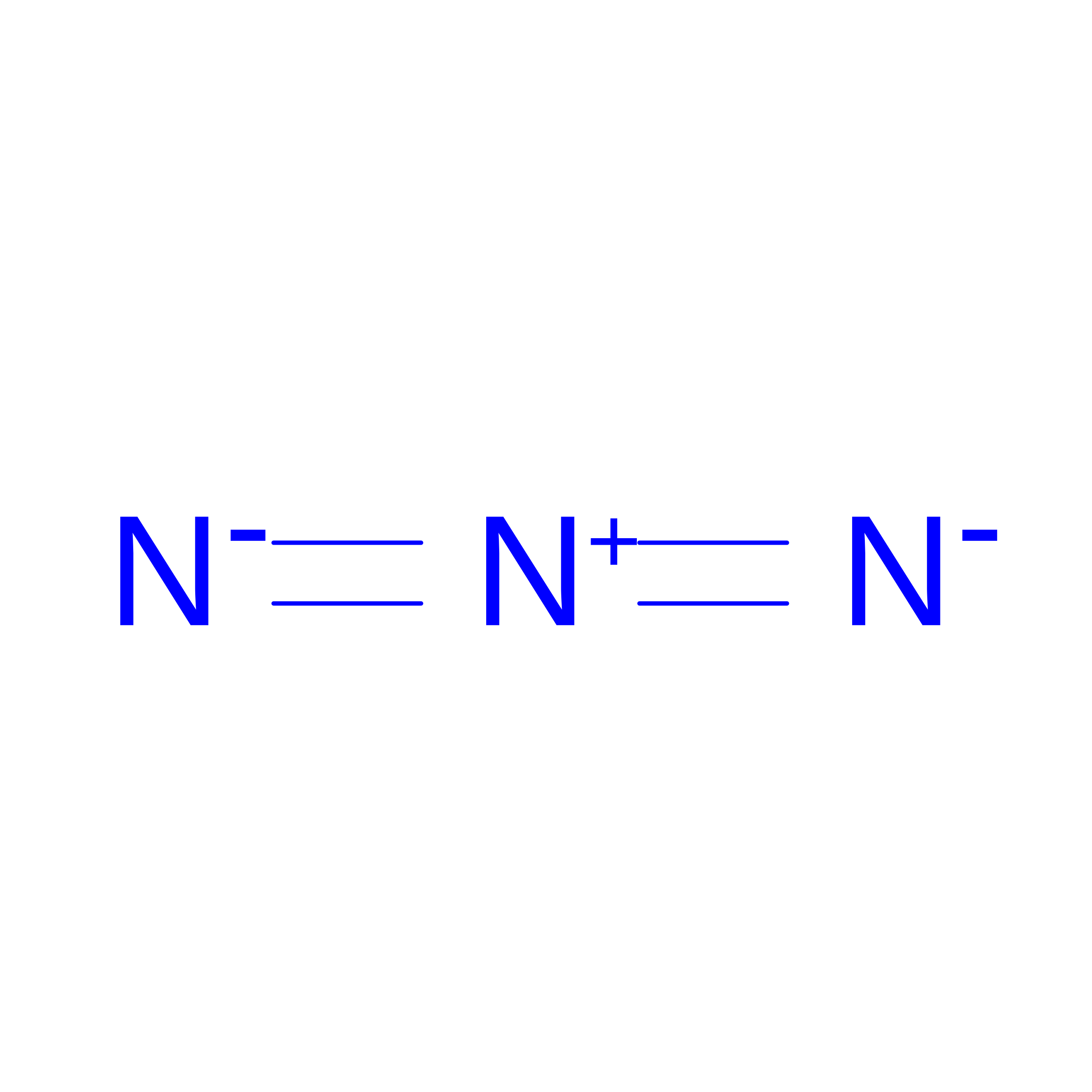
AZIDE ION
N3
IVRMZWNICZWHMI-UHFFFAOYSA-N
CA

Query on CA


Download:Ideal Coordinates CCD File
B [auth A],
C [auth A]
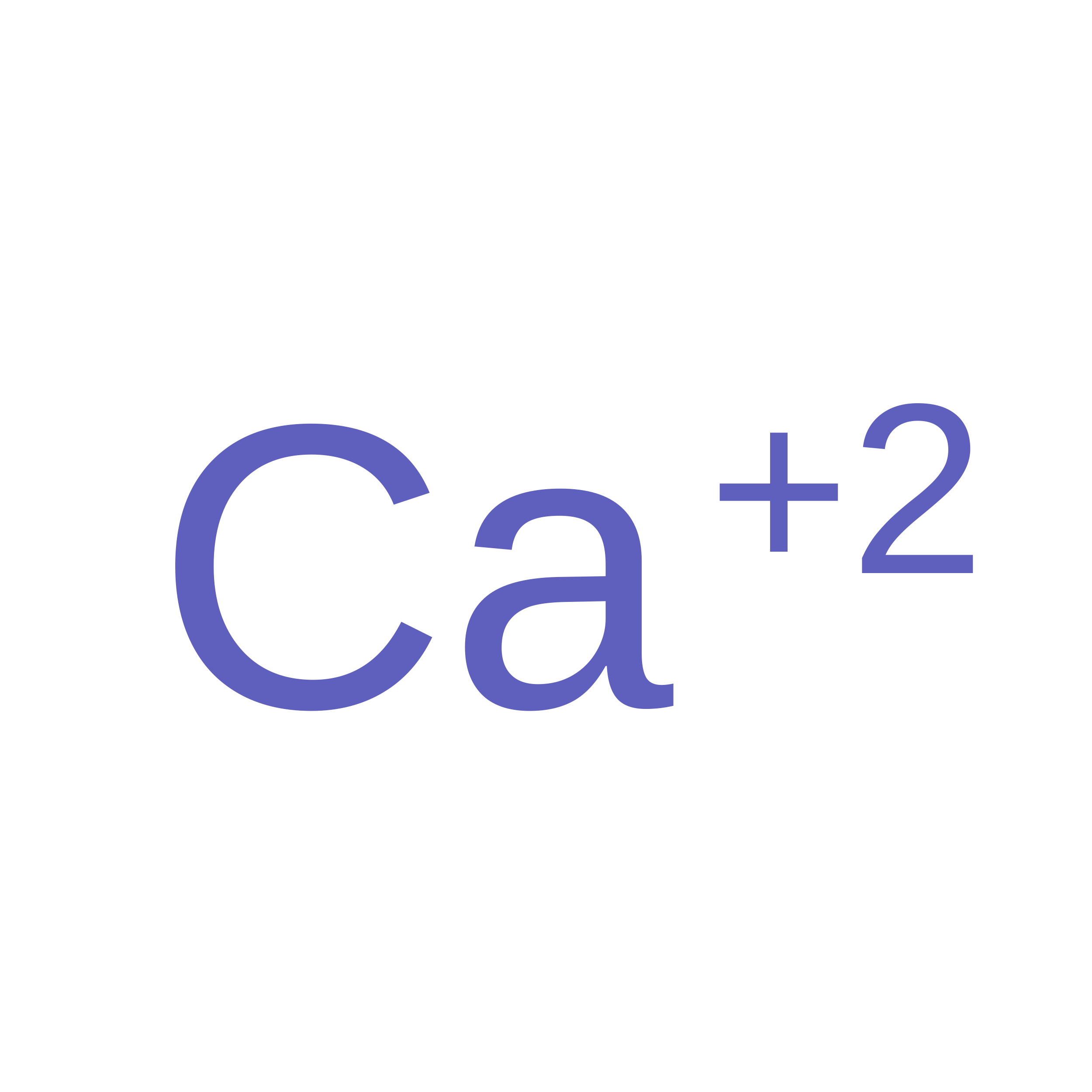
CALCIUM ION
Ca
BHPQYMZQTOCNFJ-UHFFFAOYSA-N
NA

Query on NA


Download:Ideal Coordinates CCD File
D [auth A],
E [auth A],
G [auth A]
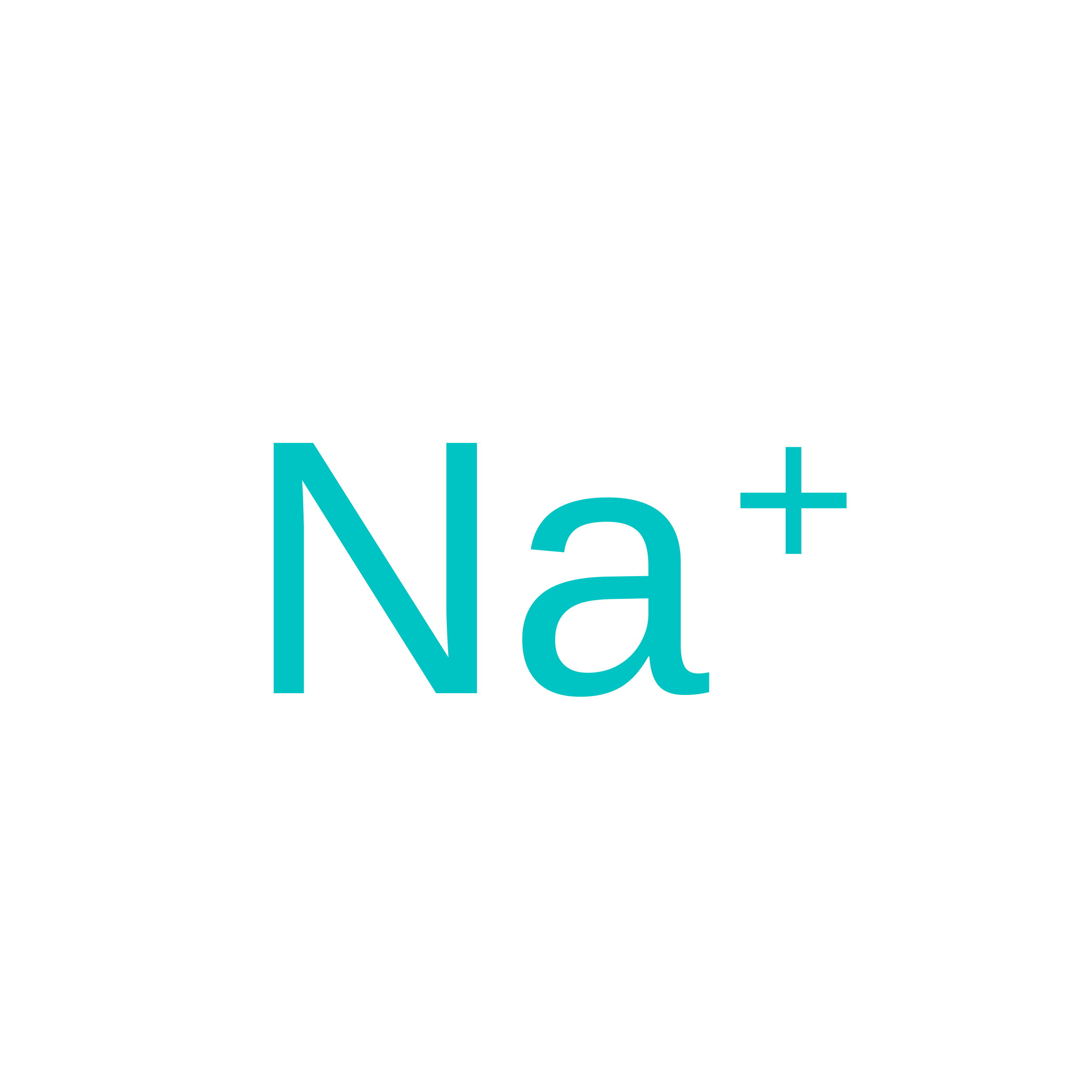
SODIUM ION
Na
FKNQFGJONOIPTF-UHFFFAOYSA-N

Experimental Data & Validation

Experimental Data

  • Method: X-RAY DIFFRACTION
  • Resolution: 1.75 Å
  • R-Value Free:  0.172 (Depositor), 0.177 (DCC) 
  • R-Value Work:  0.149 (Depositor), 0.150 (DCC) 
  • R-Value Observed: 0.150 (Depositor) 
Space Group: P 21 21 21
Unit Cell:
Length ( Å )Angle ( ˚ )
a = 56.64α = 90
b = 58.81β = 90
c = 135.5γ = 90
Software Package:
Software NamePurpose
ADSCdata collection
PHASERphasing
BUSTERrefinement
XDSdata reduction
XDSdata scaling
XSCALEdata scaling

Structure Validation

View Full Validation Report


Ligand Structure Quality Assessment 


Entry History 

Deposition Data

Revision History  (Full details and data files)

  • Version 1.0: 2014-10-08
    Type: Initial release
  • Version 1.1: 2014-10-15
    Changes: Database references
  • Version 1.2: 2014-12-10
    Changes: Database references
  • Version 1.3: 2017-11-22
    Changes: Refinement description
  • Version 1.4: 2023-09-20
    Changes: Data collection, Database references, Derived calculations, Refinement description
  • Version 2.0: 2023-11-15
    Changes: Atomic model, Data collection, Derived calculations