 Download Mendeley
Structural Snapshots of F 1 -ATPase Catalysis in Drug Resistant Acinetobacter baumannii Reveal Novel Therapeutic Targets.
Le, K.C.M., Marzinek, J.K., Mathiyazakan, V., Bond, P.J., Gruber, G.(2026) FASEB J 40: e72385-e72385
- PubMed: 42891652 Search on PubMedSearch on PubMed Central
- DOI: https://doi.org/10.1096/fj.202602735R
- Primary Citation Related Structures:
24DH, 24DJ, 24DK, 24DL, 24DM, 24DN - PubMed Abstract:
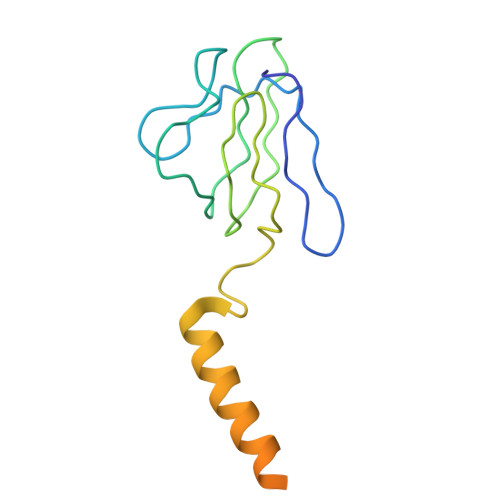
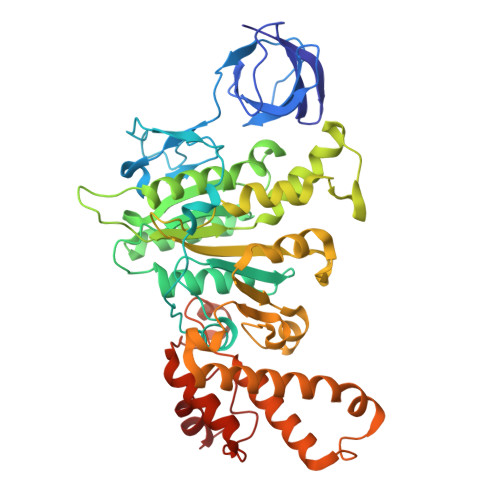
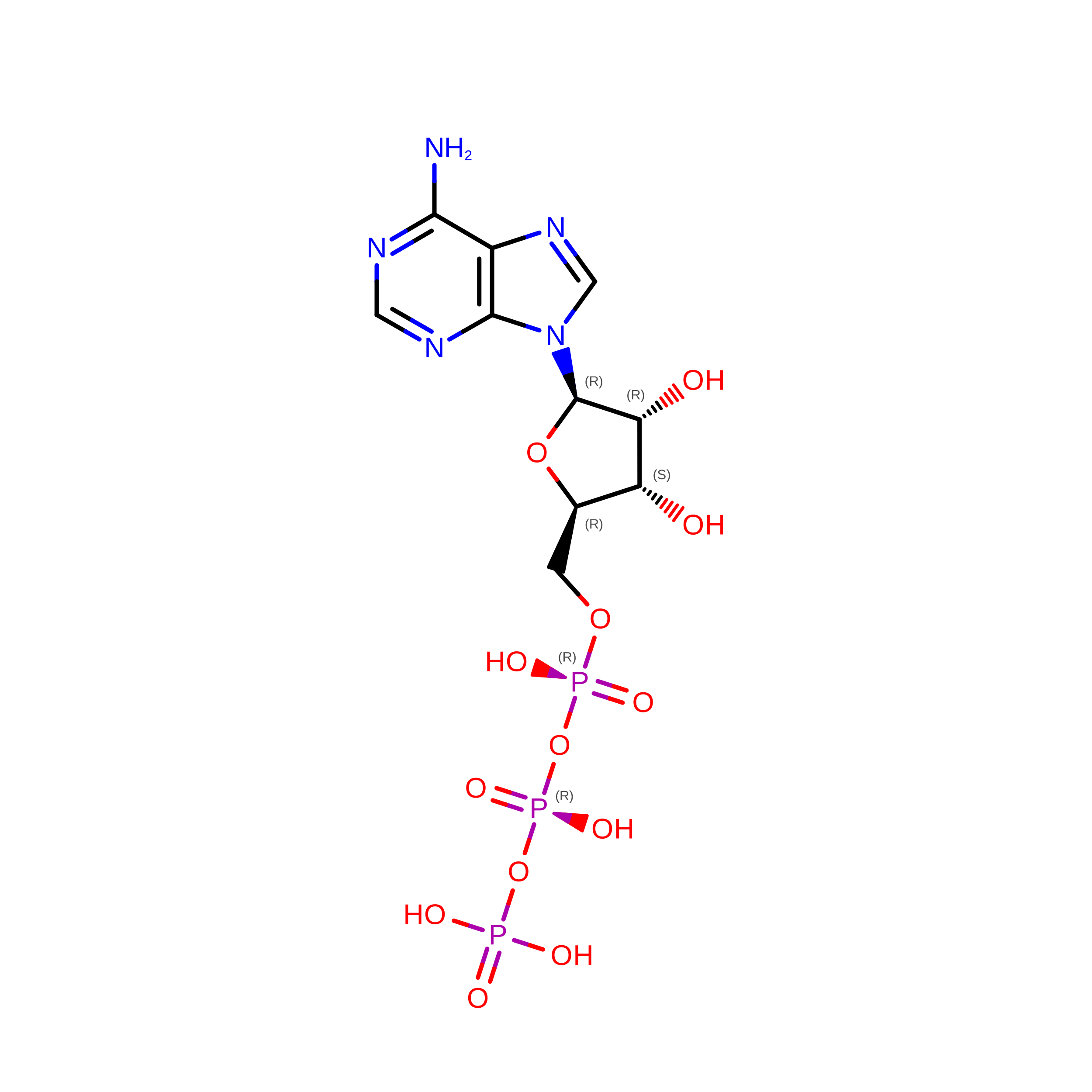
Gram-negative Acinetobacter baumannii, one of the most critical priority pathogens, has developed multiple defense mechanisms, including upregulation of drug efflux pumps powered by the proton-motive force (pmf) or ATP. As a nonfermenting bacterium, it relies on oxidative phosphorylation, in which the F-ATP synthase, composed of an F 1 -ATPase (α 3 :β 3 :γ:ε) and F O -domain (a:b 2 :c 10 ), synthesizes ATP, the cell's currency of life. Here, we present cryo-electron microscopy structures of the F 1 -ATPase captured during ATP synthesis, revealing concerted conformational changes within the α 3 :β 3 -catalytic head that trigger structural transitions of subunit ε and twisting of the γ:ε central stalk, coupled with spontaneous ATP formation. Molecular dynamics simulations validate and expand the ensemble of structural rearrangements underlying the rotary mechanism. The resolved intermediate states of the ε subunit reveal its role as a molecular gear, regulating ATP synthesis while simultaneously inhibiting ATP hydrolysis, essential for the pathogen to prevent wastage of ATP. These structural snapshots identify novel therapeutic targets and pave the way for rational design of selective inhibitors.
- School of Biological Sciences, Nanyang Technological University, Singapore, Republic of Singapore.
Organizational Affiliation: