Download Mendeley
Human DHX29 detects nonoptimal codon usage to regulate mRNA stability.
Hia, F., Wu, Y., Yoshinaga, M., Goto-Ito, S., Iwasaki, W., Imami, K., Toh, H., Han, P., Cai, T., Ohira, T., Fukao, A., Standley, D.M., Shichino, Y., Takegawa, M., Fujiwara, T., Suzuki, T., Iwasaki, S., Bassik, M.C., Ito, T., Takeuchi, O.(2026) Science 392: eadw0288-eadw0288
- PubMed: 41855277 Search on PubMed
- DOI: https://doi.org/10.1126/science.adw0288
- Primary Citation Related Structures:
22TU - PubMed Abstract:
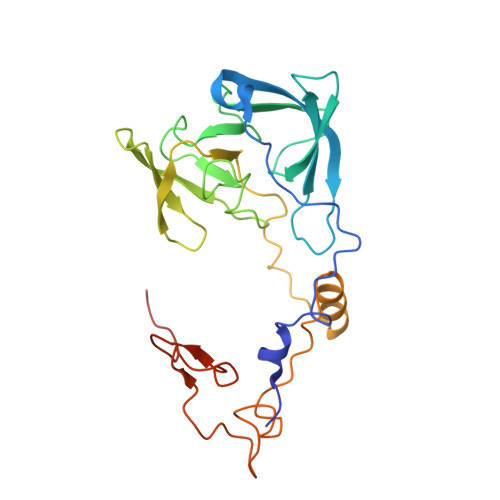
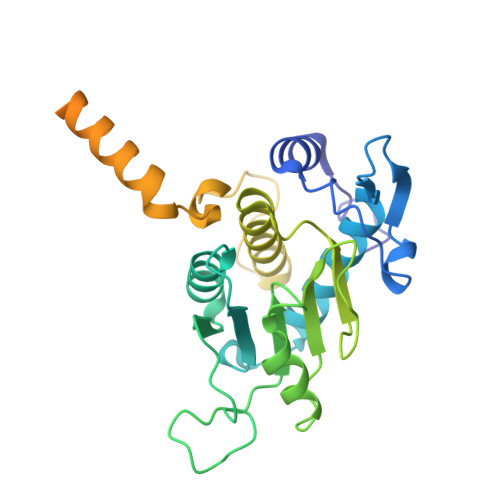
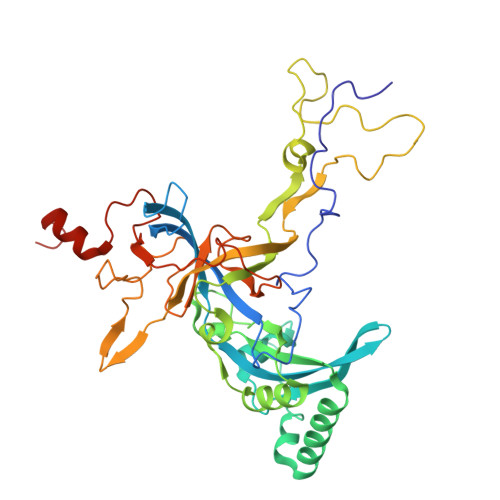
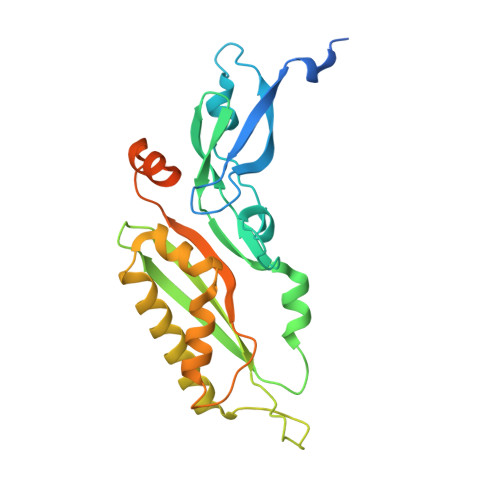
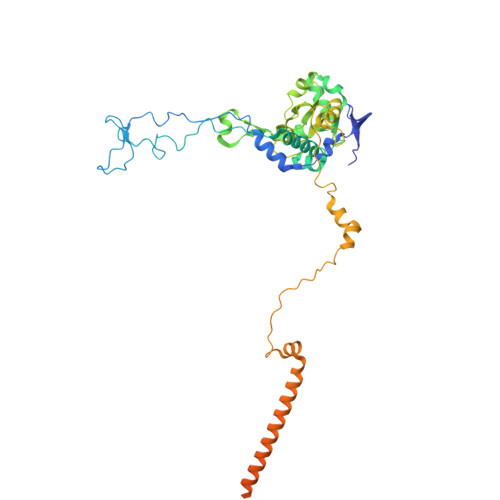
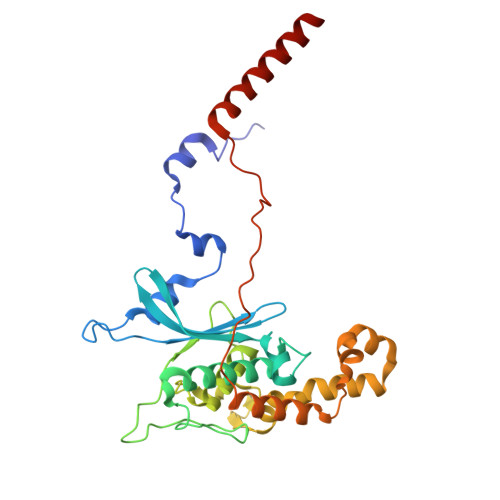
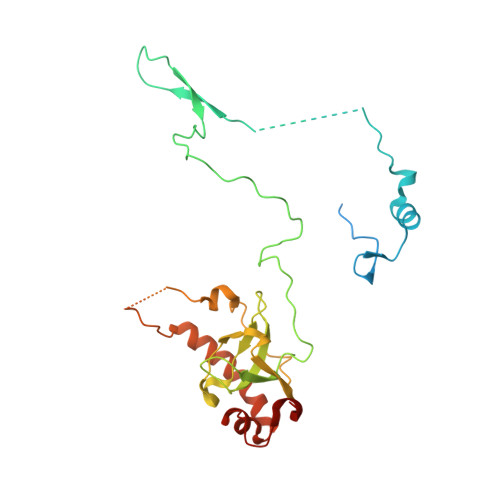
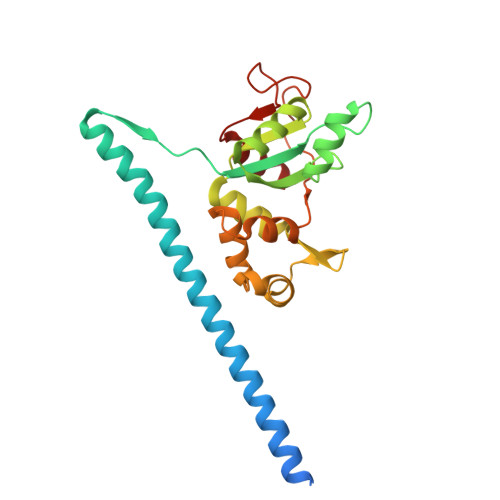
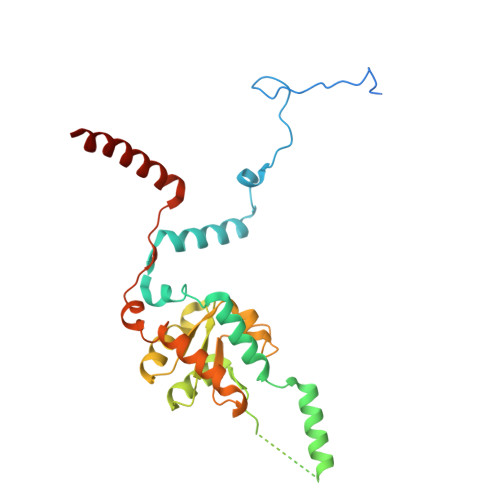
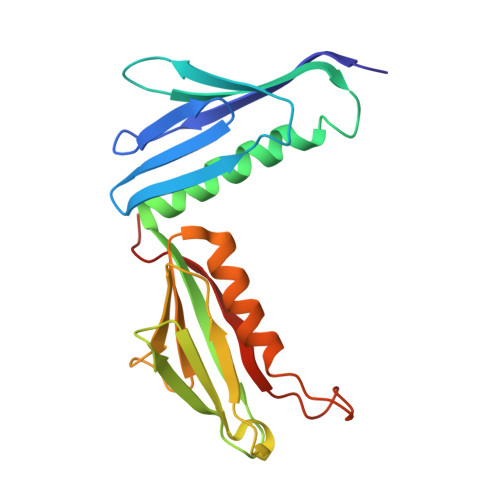
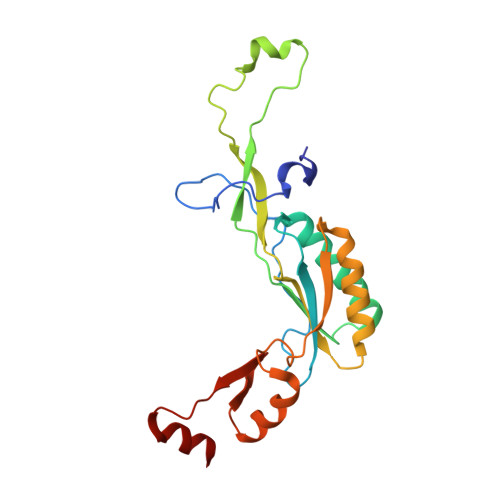
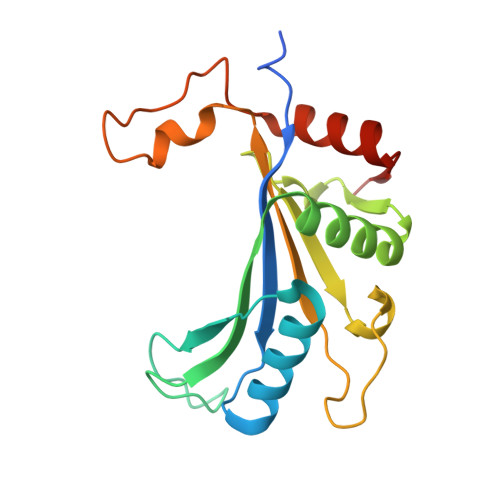
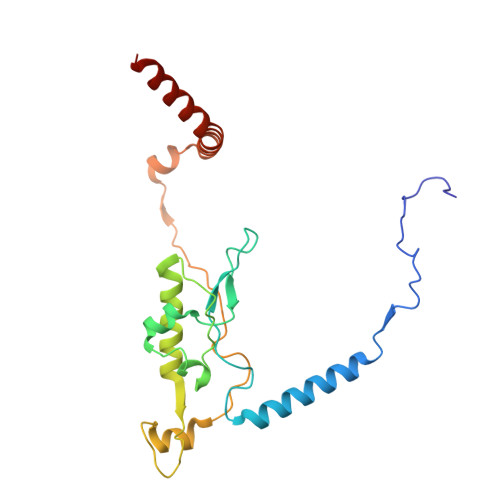
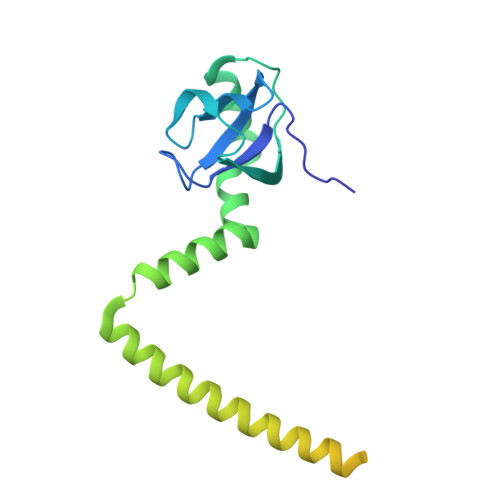
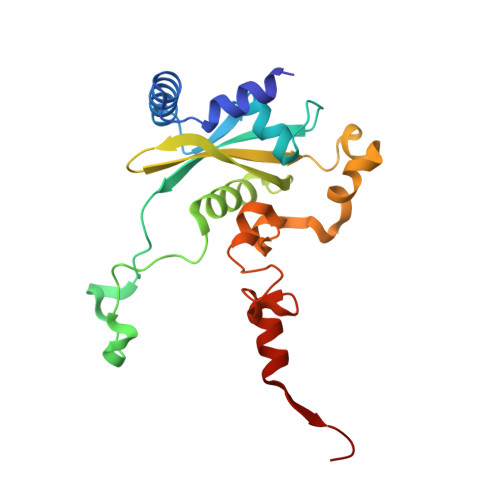
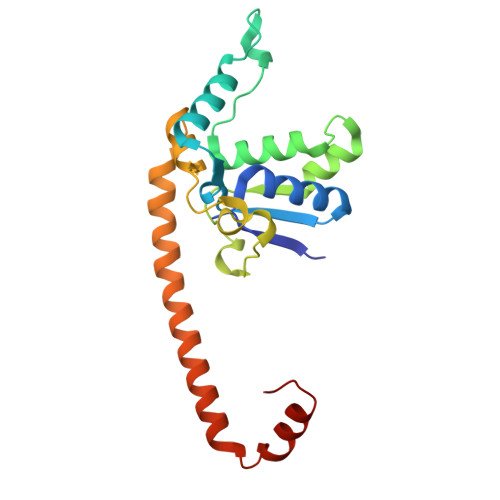
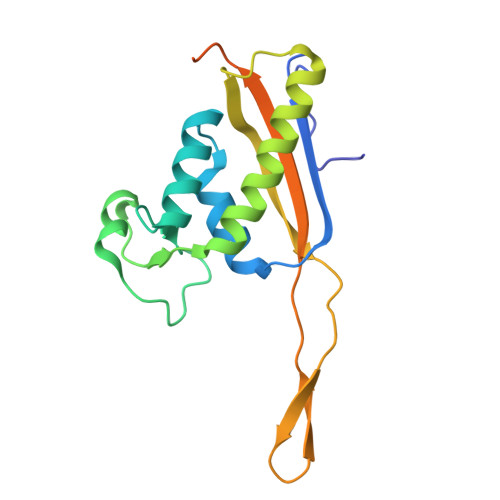
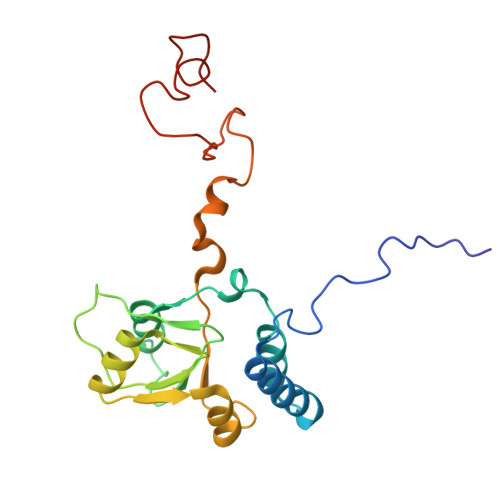
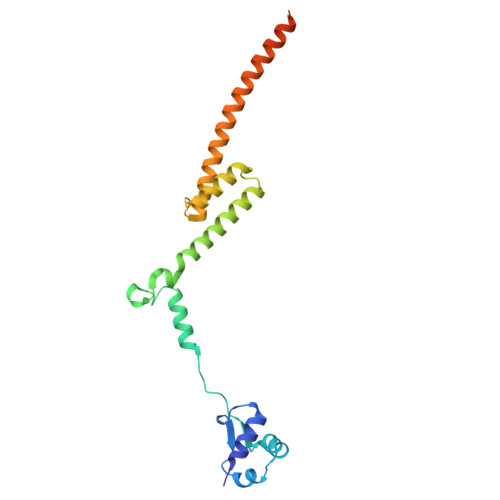
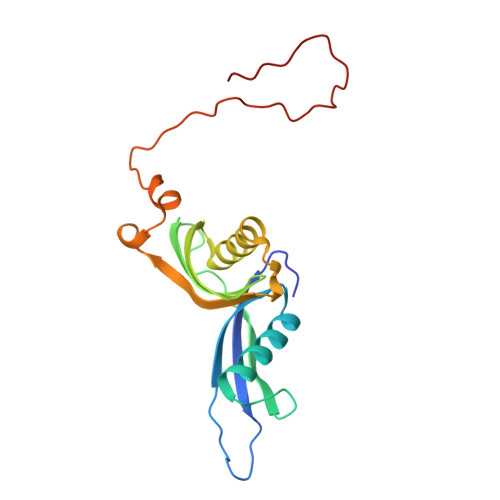
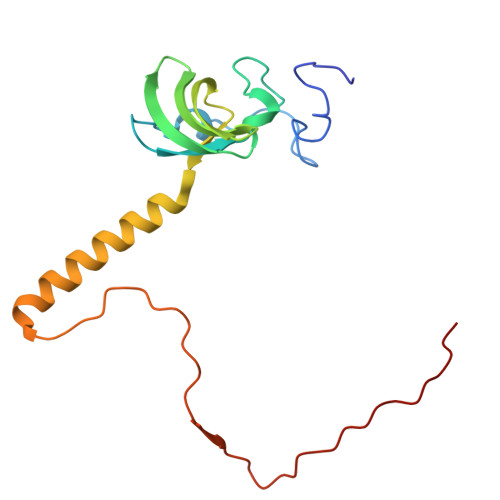
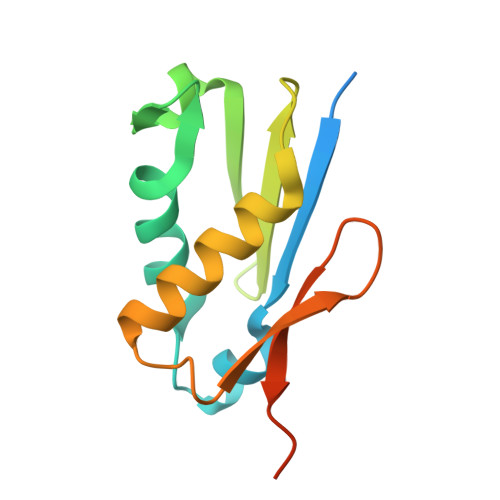
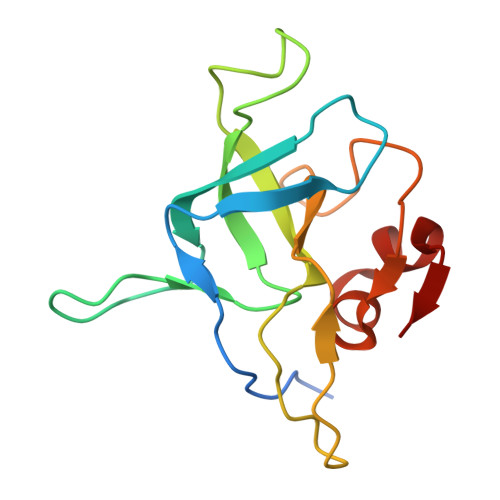
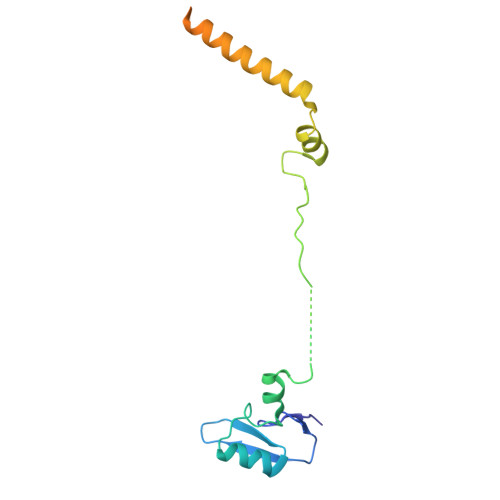
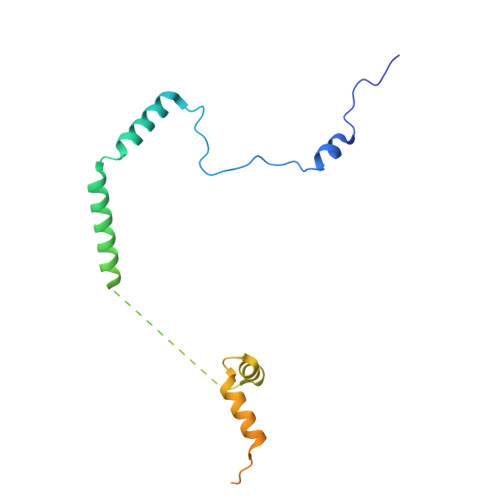
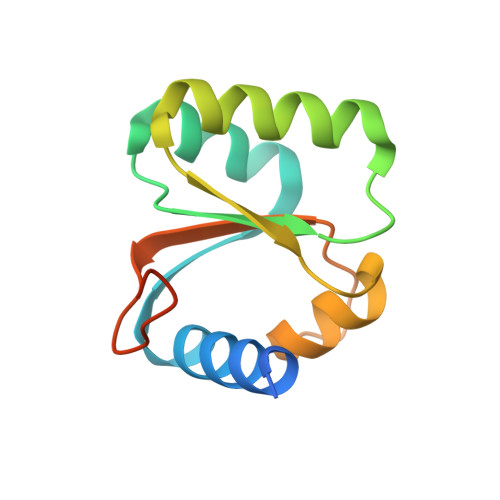
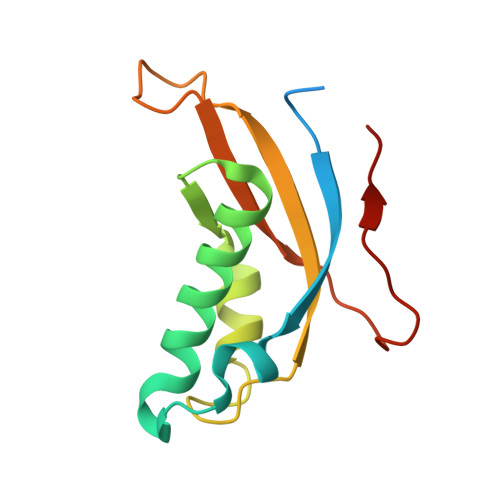
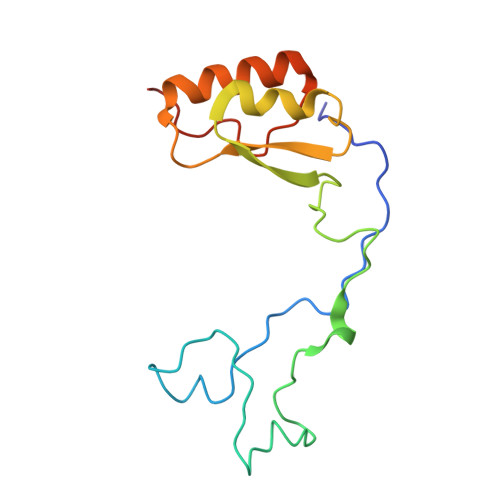
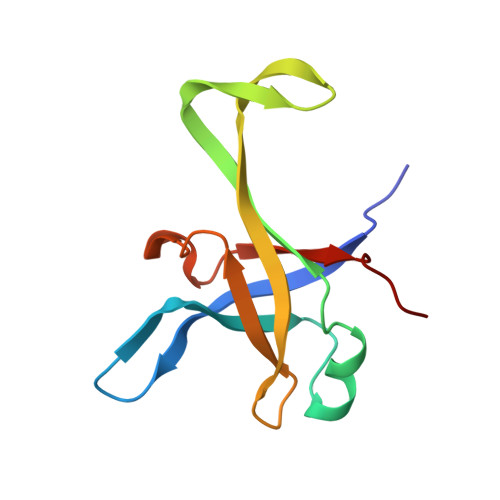
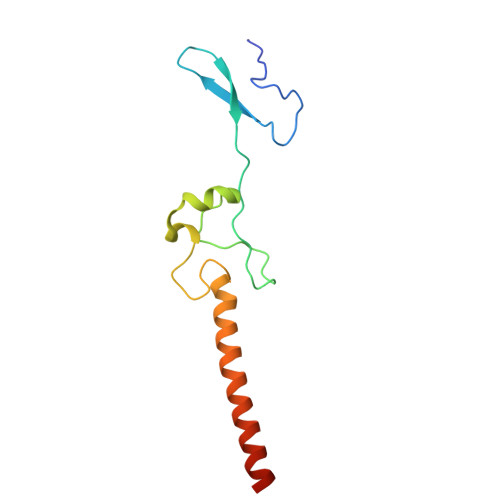
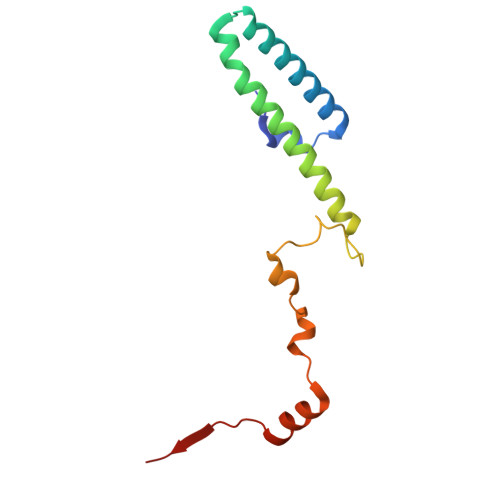
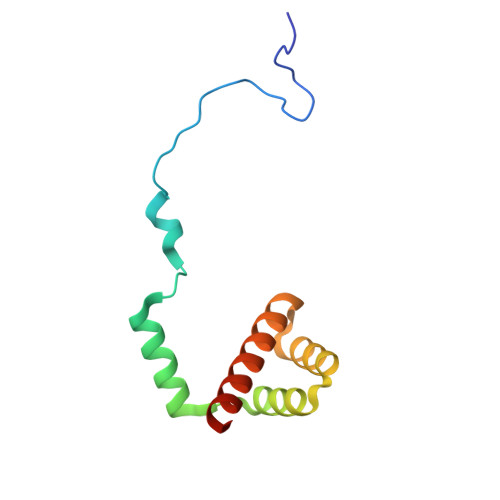
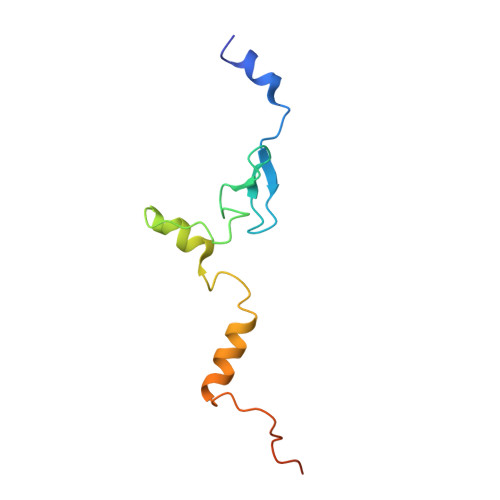
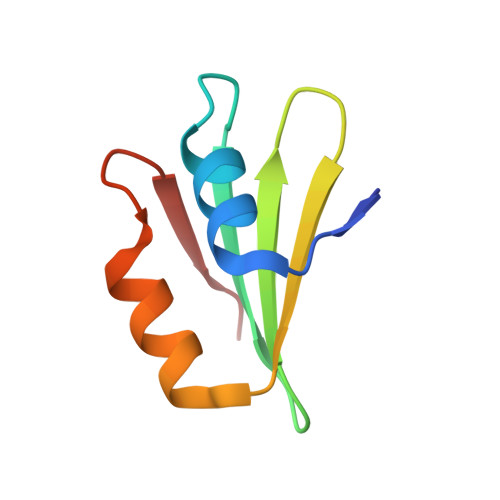
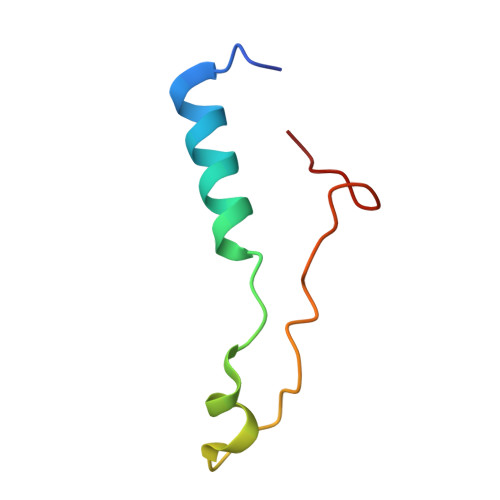
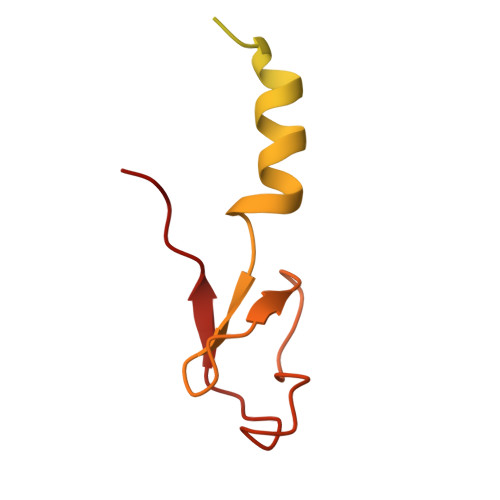
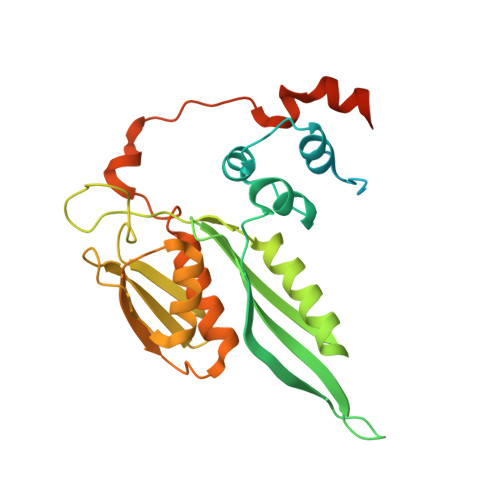
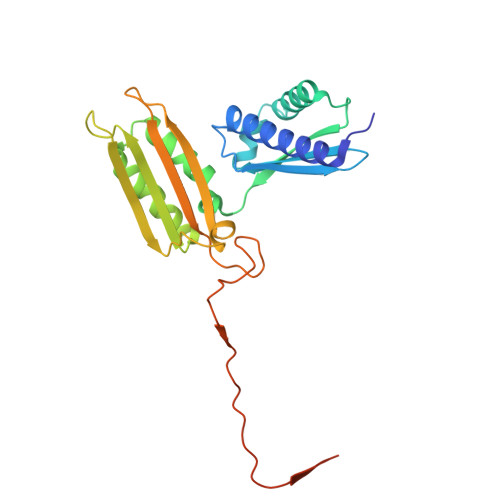
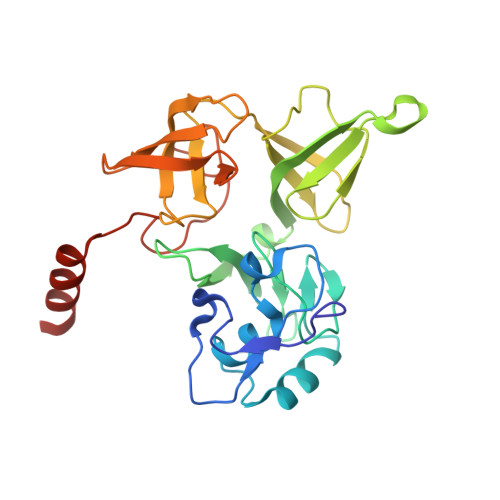
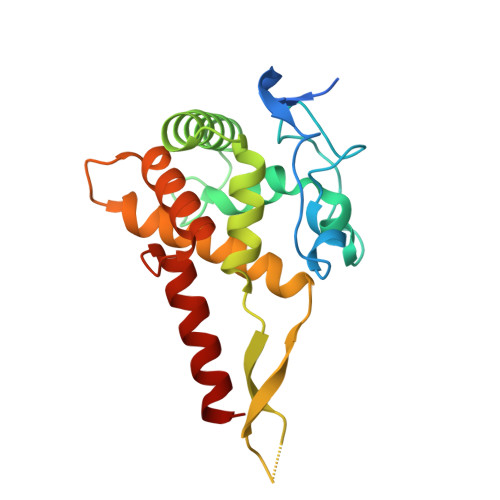
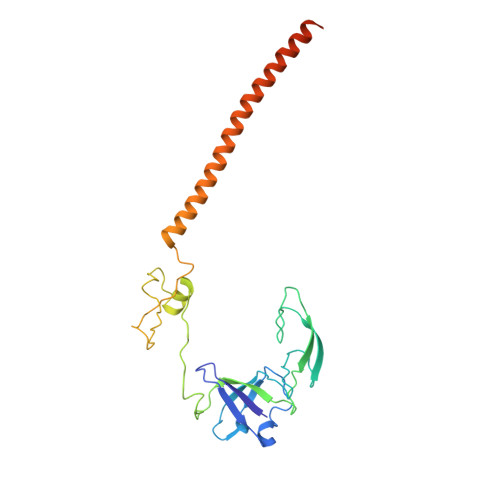
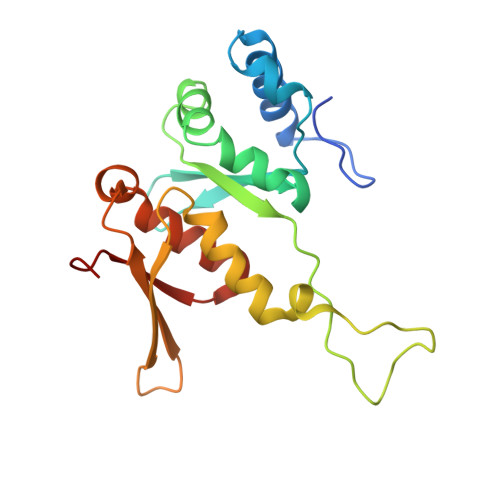
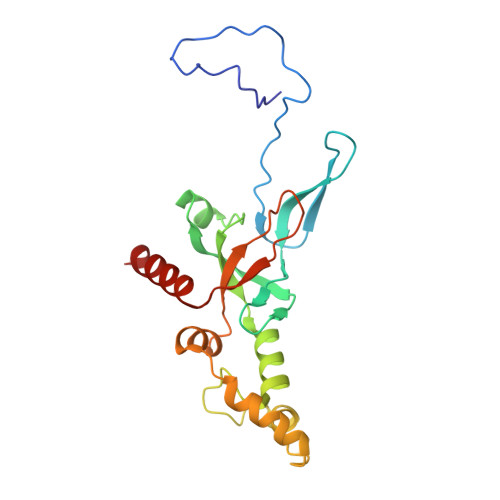
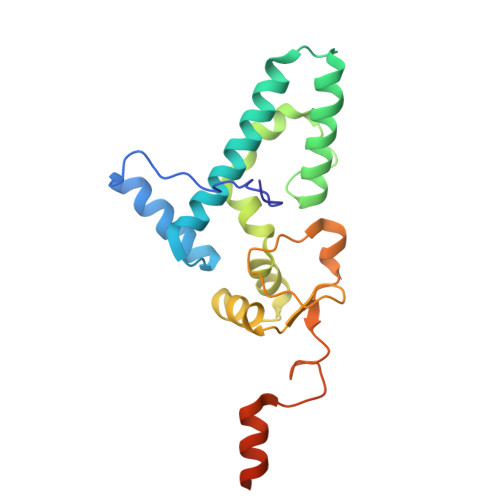
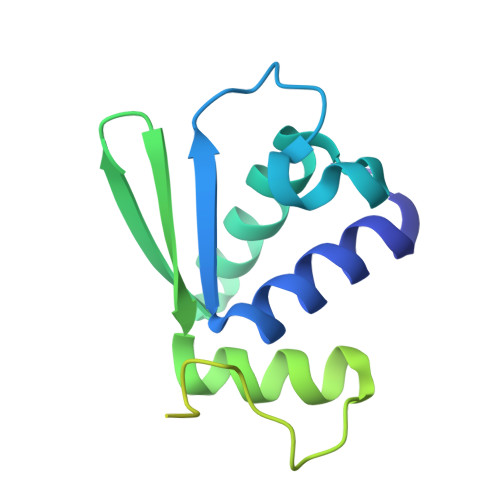
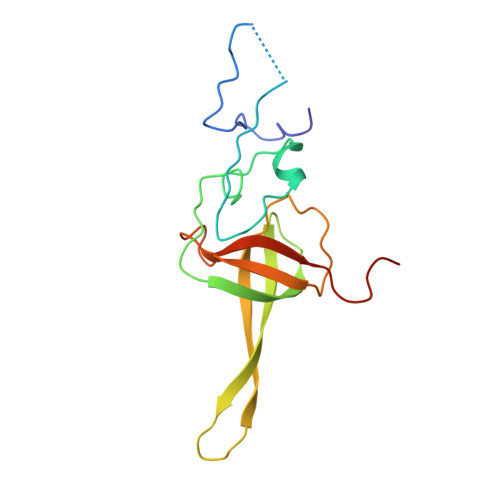
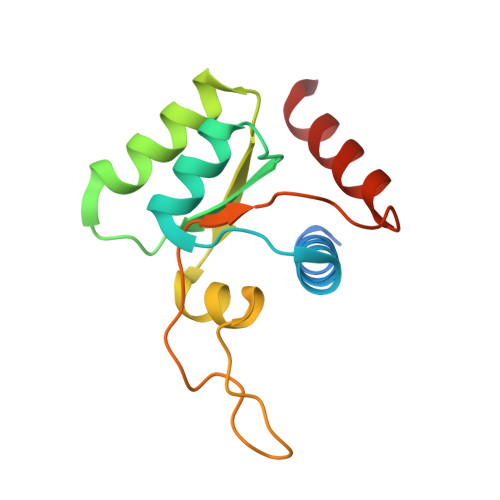
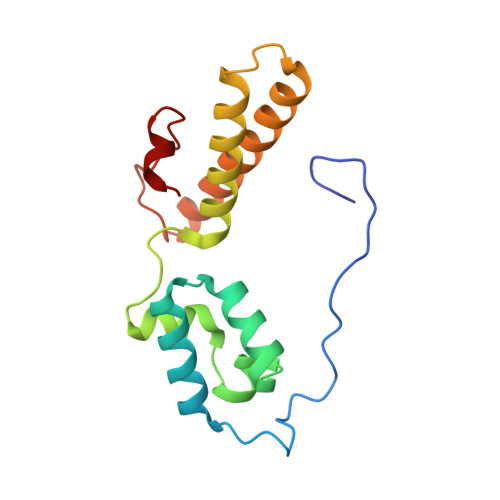
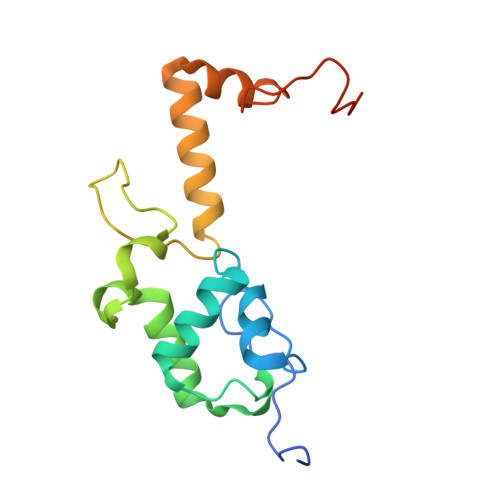
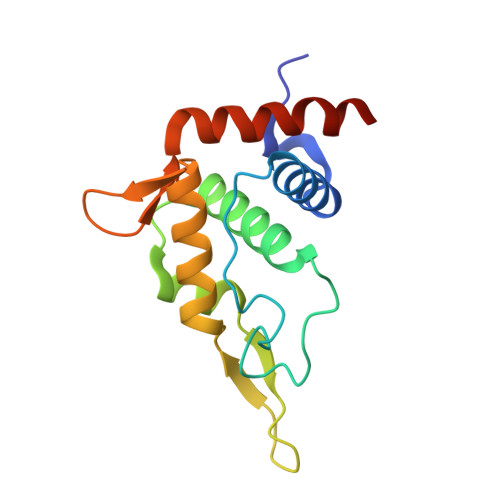
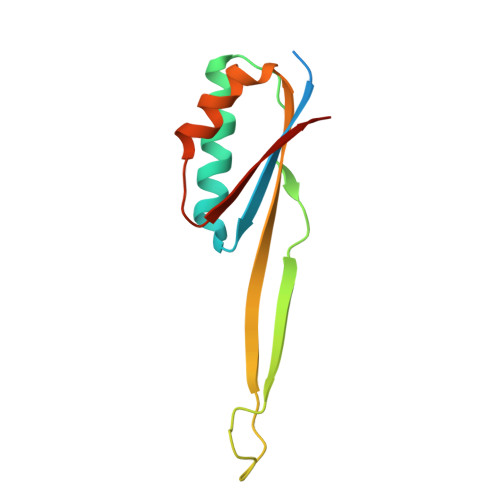
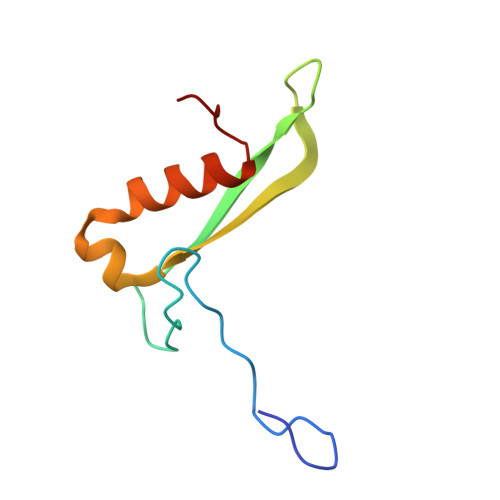
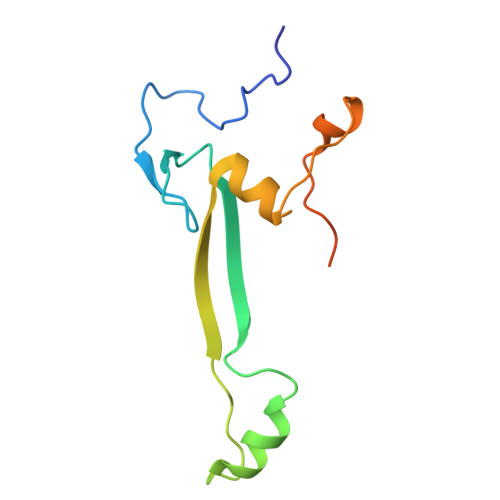
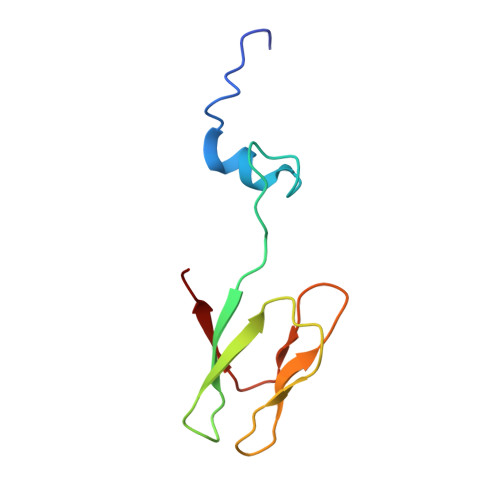
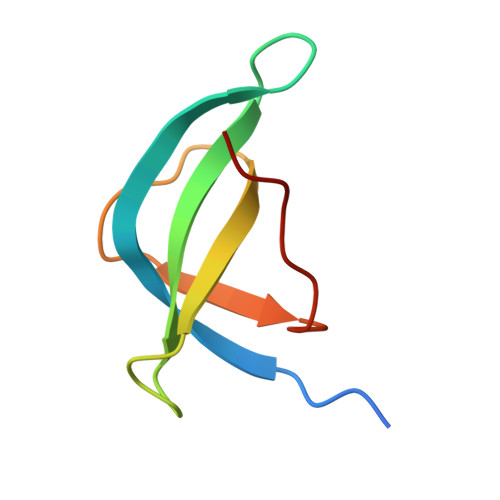
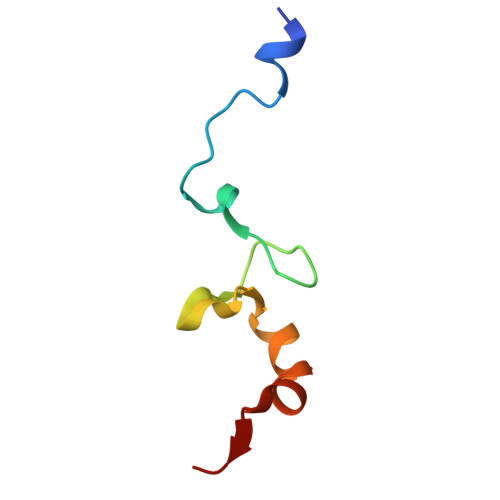
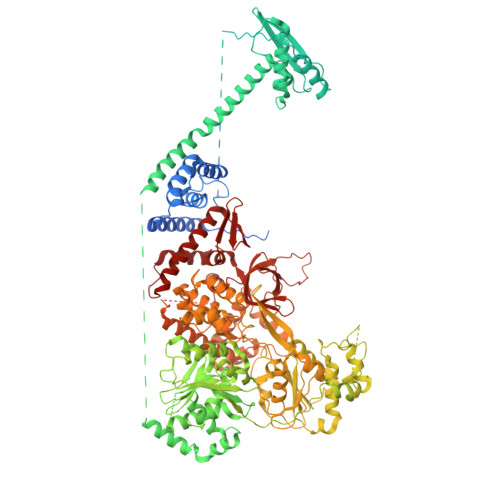
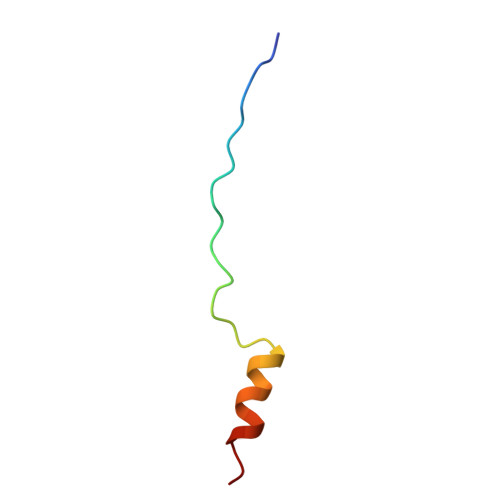
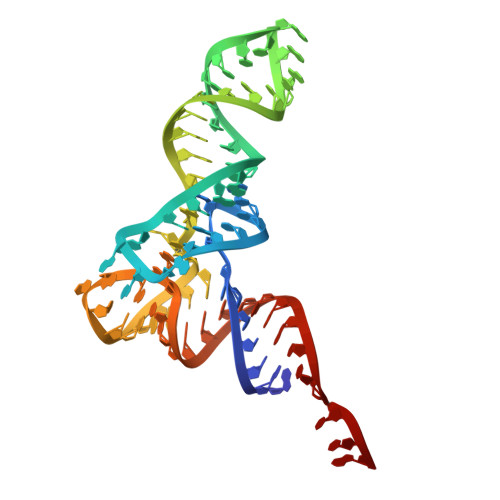
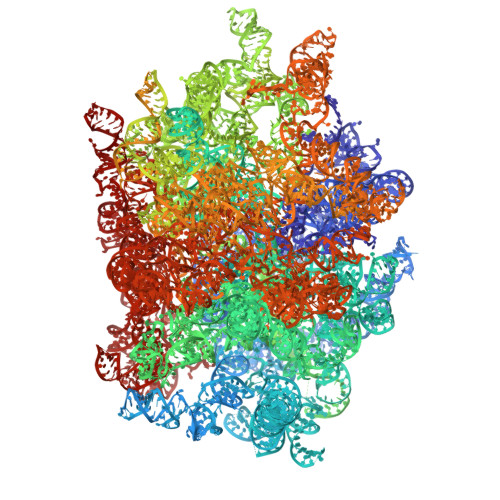
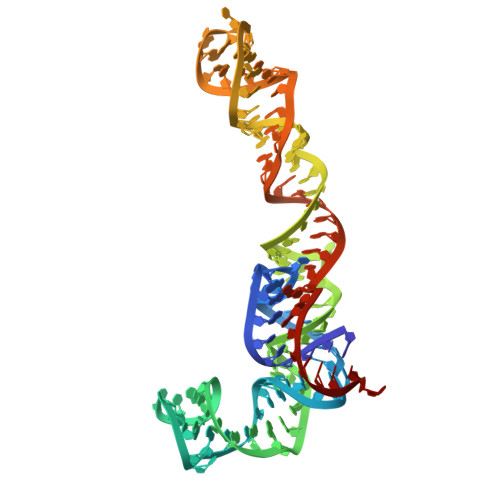
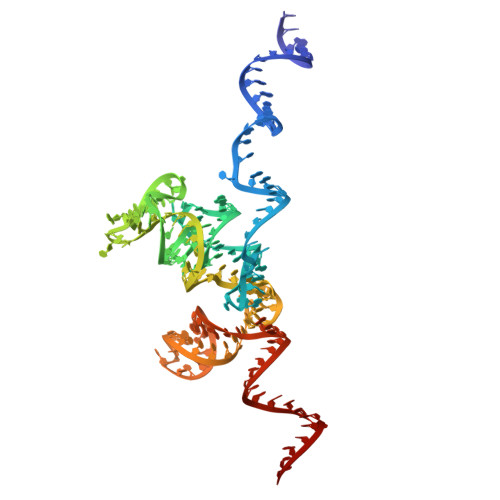
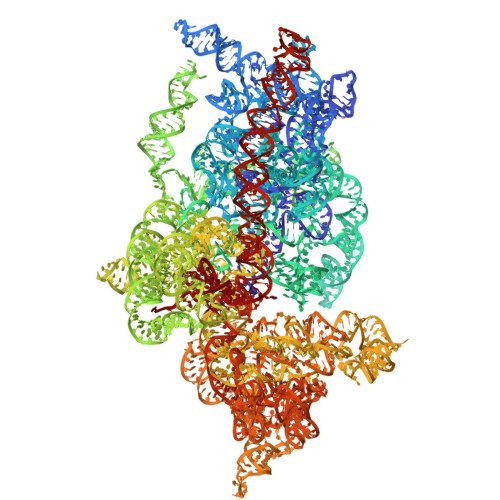
Synonymous codon usage controls global gene expression in both prokaryotic and eukaryotic species. Nonoptimal codons are known to induce messenger RNA (mRNA) decay; however, the underlying molecular mechanism remains poorly understood in human cells. Through genome-wide CRISPR screening, we identified the RNA binding protein DHX29 as a critical regulator of codon-dependent gene expression. Cryo-electron microscopy and selective ribosome profiling demonstrated that DHX29 directly interacts with the A-site entrance of the translating 80 S ribosome, the binding site for the eEF1A•GTP•aminoacyl-tRNA ternary complex, suggesting a role in monitoring aminoacyl-tRNA sampling. Proteomic analysis further revealed that DHX29 recruits the GIGYF2•4EHP complex to mediate global suppression of nonoptimal mRNAs. These findings establish a mechanistic link between synonymous codon usage and the regulation of gene expression.
- Department of Medical Chemistry, Graduate School of Medicine, Kyoto University, Kyoto, Japan.
Organizational Affiliation: