1H0G | pdb_00001h0g

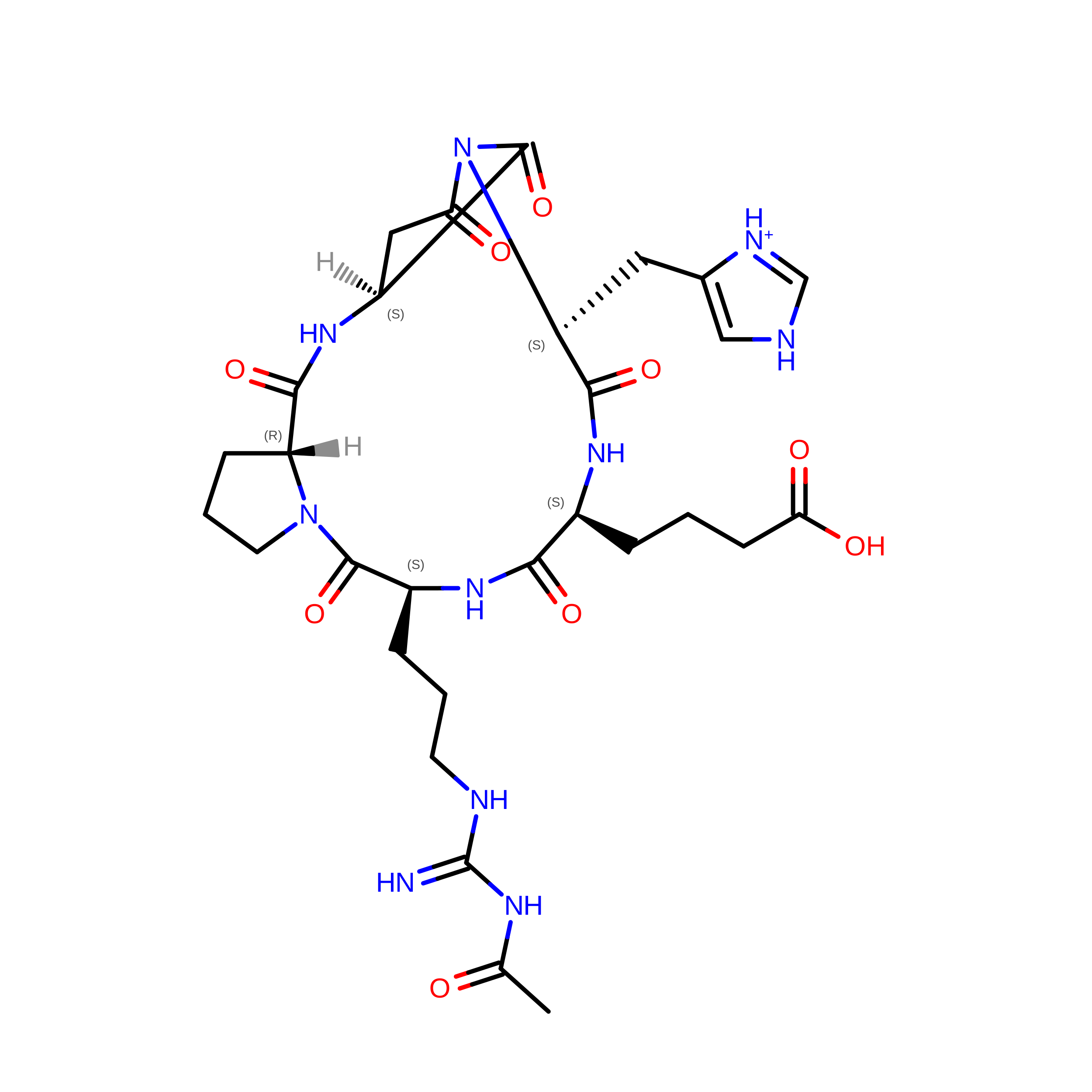
Complex of a chitinase with the natural product cyclopentapeptide argadin from Clonostachys


Experimental Data Snapshot

  • Method: X-RAY DIFFRACTION
  • Resolution: 2.00 Å
  • R-Value Free: 
    0.231 (Depositor), 0.222 (DCC) 
  • R-Value Work: 
    0.203 (Depositor), 0.195 (DCC) 
  • R-Value Observed: 
    0.203 (Depositor) 

Starting Model: experimental
View more details

wwPDB Validation 3D Report Full Report

Validation slider image for 1H0G

This is version 5.1 of the entry. See complete history

Literature

High Resolution Inhibited Complexes of a Chitinase with Natural Product Cyclopentapeptides - Peptide Mimicry of a Carbohydrate Substrate

Houston, D.R.Shiomi, K.Arai, N.Omura, S.Peter, M.G.Turberg, A.Synstad, B.Eijsink, V.G.H.Van Aalten, D.M.F.

(2002) Proc Natl Acad Sci U S A 99: 9127

  • DOI: https://doi.org/10.1073/pnas.132060599
  • Primary Citation Related Structures: 
    1H0G, 1H0I

  • PubMed Abstract: 

    Over the past years, family 18 chitinases have been validated as potential targets for the design of drugs against human pathogens that contain or interact with chitin during their normal life cycles. Thus far, only one potent chitinase inhibitor has been described in detail, the pseudotrisaccharide allosamidin. Recently, however, two potent natural-product cyclopentapeptide chitinase inhibitors, argifin and argadin, were reported. Here, we describe high-resolution crystal structures that reveal the details of the interactions of these cyclopeptides with a family 18 chitinase. The structures are examples of complexes of a carbohydrate-processing enzyme with high-affinity peptide-based inhibitors and show in detail how the peptide backbone and side chains mimic the interactions of the enzyme with chitooligosaccharides. Together with enzymological characterization, the structures explain why argadin shows an order of magnitude stronger inhibition than allosamidin, whereas argifin shows weaker inhibition. The peptides bind to the chitinase in remarkably different ways, which may explain the differences in inhibition constants. The two complexes provide a basis for structure-based design of potent chitinase inhibitors, accessible by standard peptide chemistry.


  • Organizational Affiliation
    • Wellcome Trust Biocentre, School of Life Sciences, University of Dundee, Dundee DD1 5EH, Scotland.

Macromolecule Content 

  • Total Structure Weight: 112.95 kDa 
  • Atom Count: 8,542 
  • Modeled Residue Count: 1,004 
  • Deposited Residue Count: 1,008 
  • Unique protein chains: 2

Macromolecules

Find similar proteins by:|  3D Structure
Entity ID: 1
MoleculeChains  Sequence LengthOrganismDetailsImage
CHITINASE B
A, B
499Serratia marcescensMutation(s): 0 
EC: 3.2.1.14
UniProt
Find proteins for P11797 (Serratia marcescens)
Explore P11797 
Go to UniProtKB:  P11797
Entity Groups
Sequence Clusters30% Identity50% Identity70% Identity90% Identity95% Identity100% Identity
UniProt GroupP11797
Sequence Annotations
Expand
Reference Sequence
Find similar proteins by:  Sequence   |   3D Structure  
Entity ID: 2
MoleculeChains  Sequence LengthOrganismDetailsImage
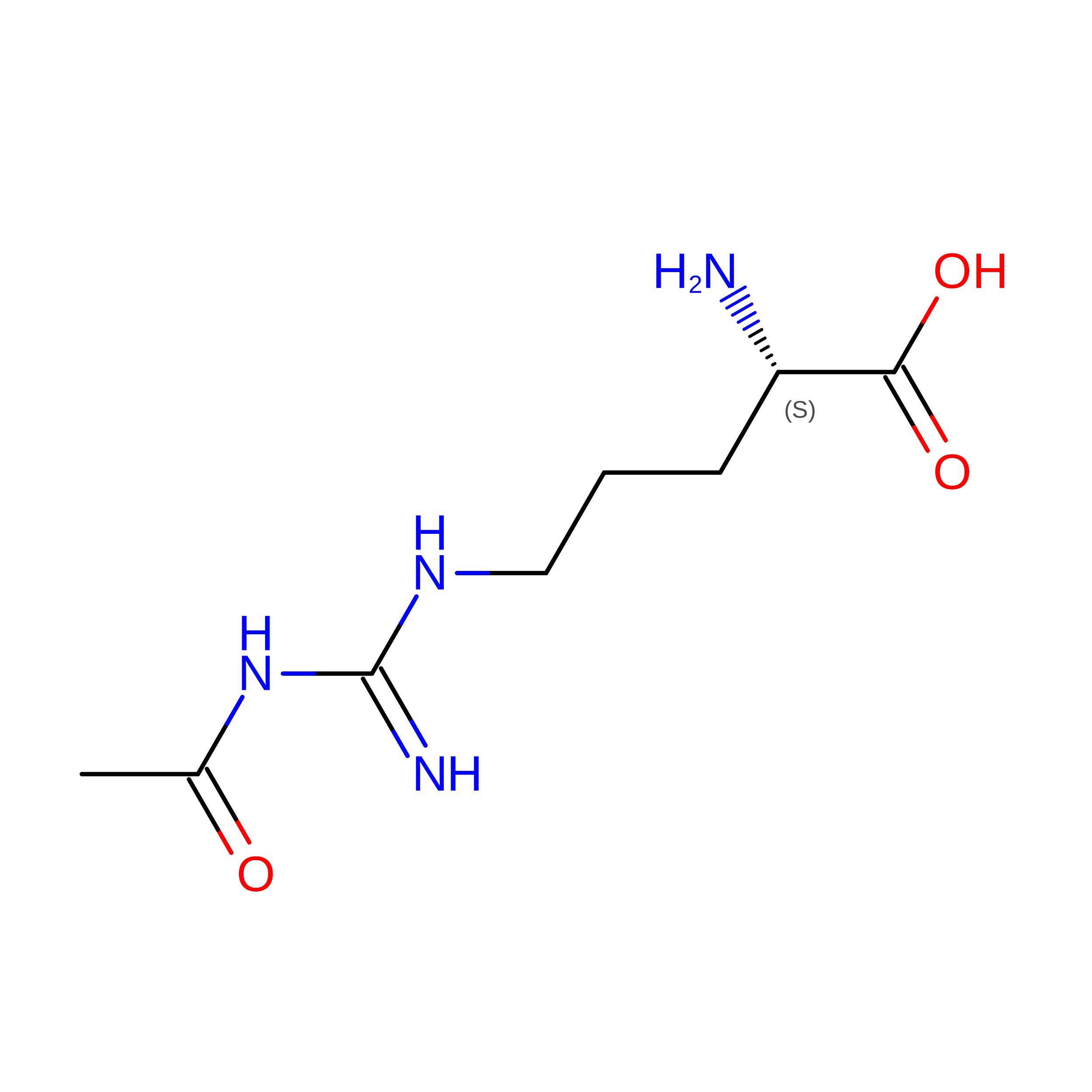
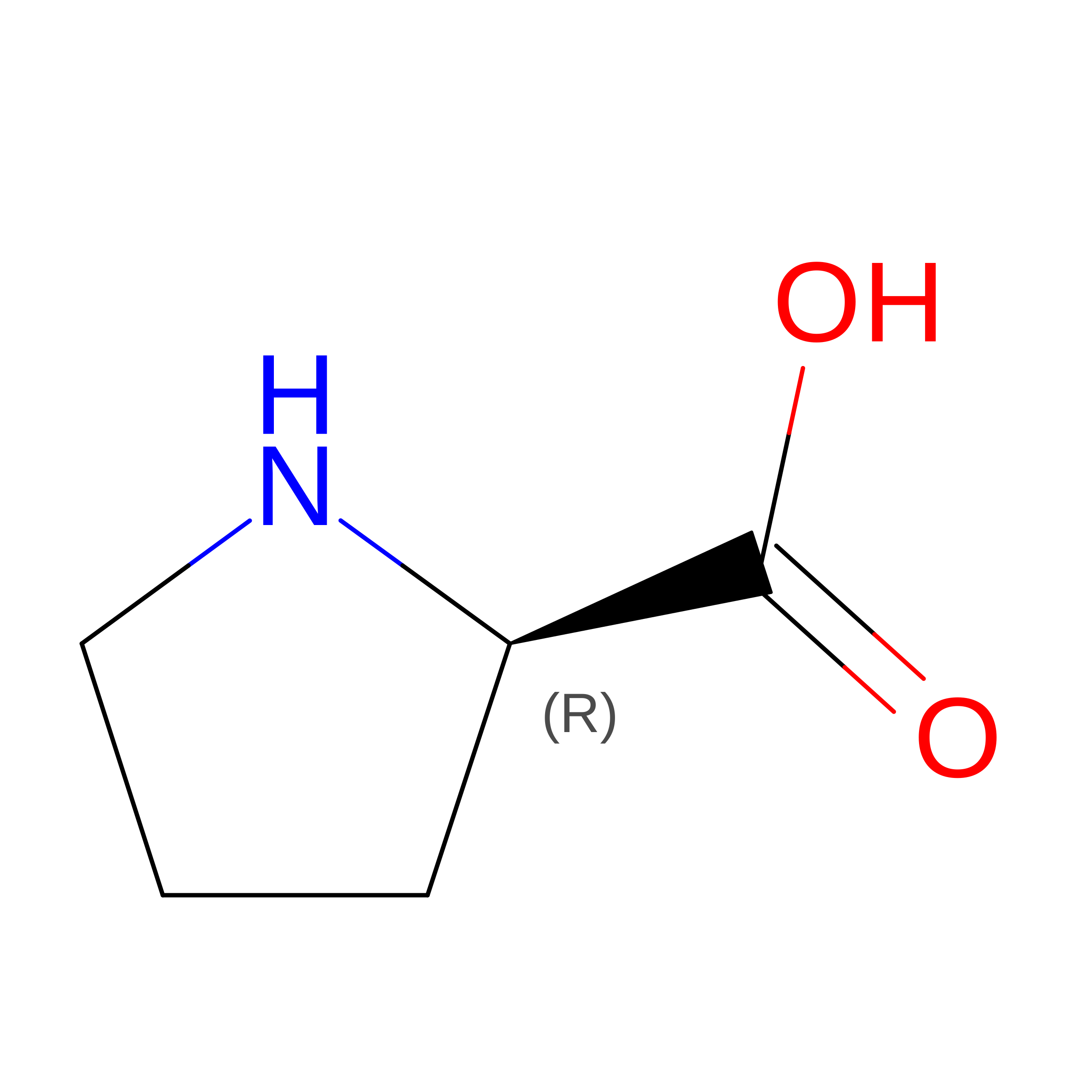
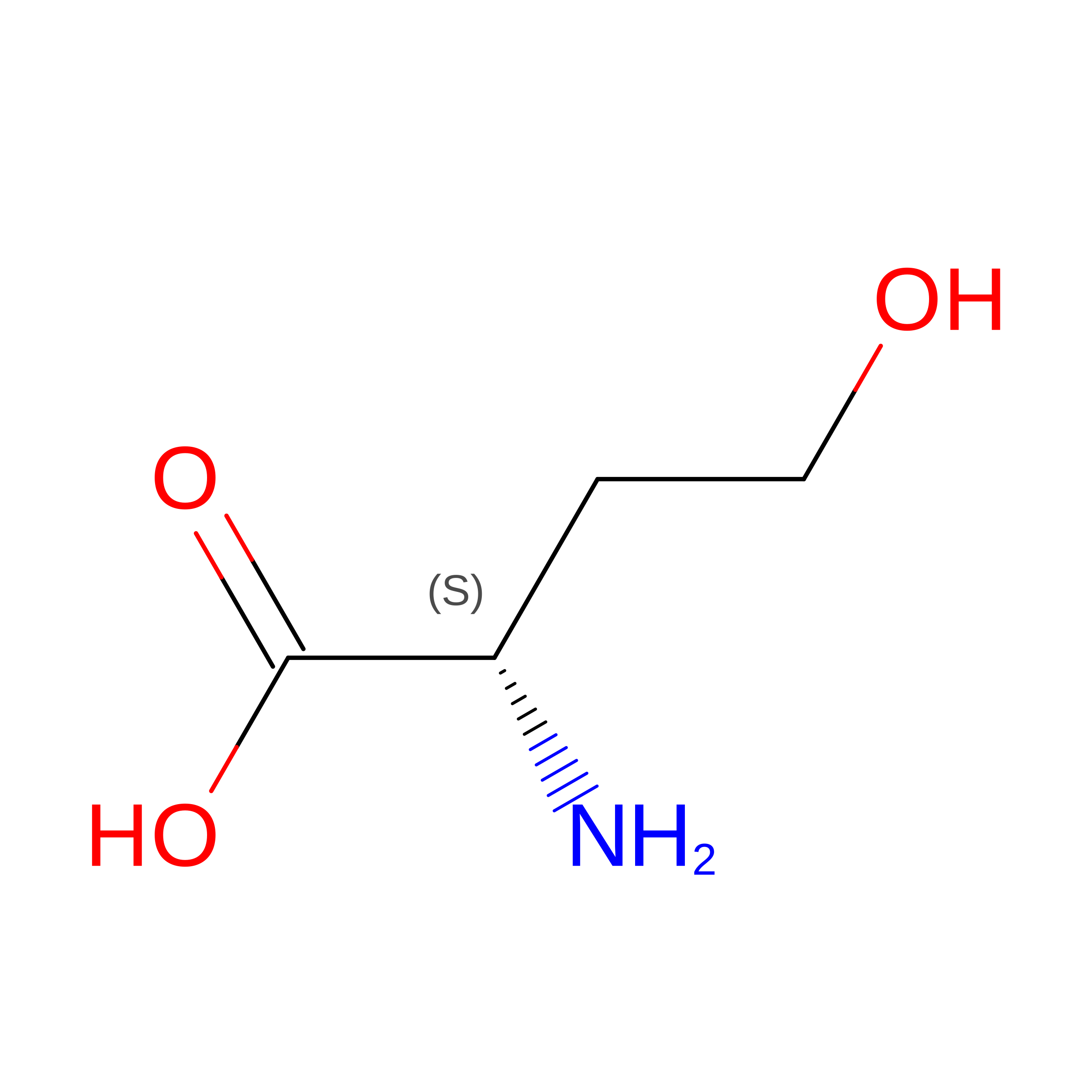
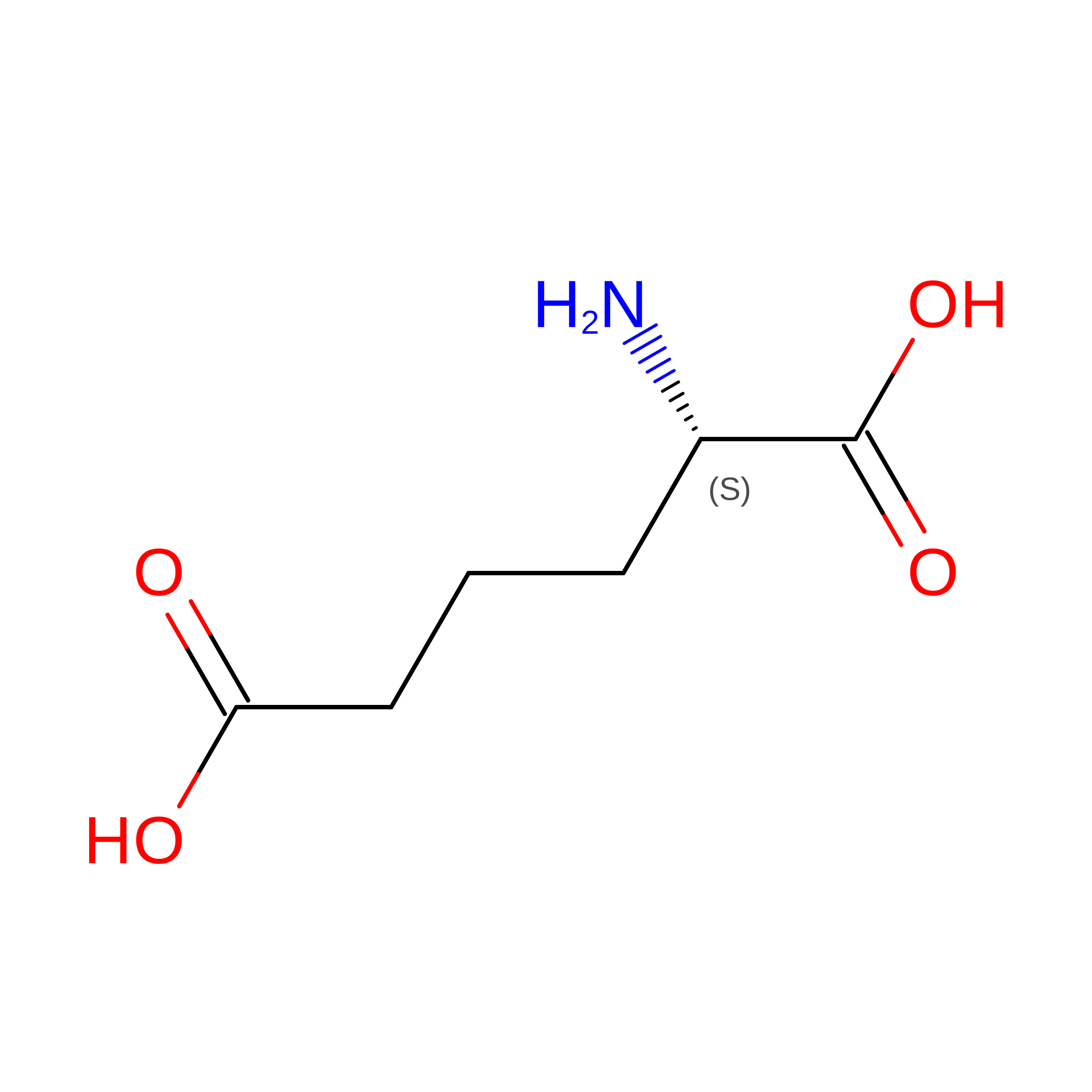
Argadin
C, D
5Serratia marcescensMutation(s): 0 

Biologically Interesting Molecules (External Reference) 

1 Unique

Experimental Data & Validation

Experimental Data

  • Method: X-RAY DIFFRACTION
  • Resolution: 2.00 Å
  • R-Value Free:  0.231 (Depositor), 0.222 (DCC) 
  • R-Value Work:  0.203 (Depositor), 0.195 (DCC) 
  • R-Value Observed: 0.203 (Depositor) 
Space Group: P 21 21 21
Unit Cell:
Length ( Å )Angle ( ˚ )
a = 55.063α = 90
b = 102.934β = 90
c = 185.784γ = 90
Software Package:
Software NamePurpose
CNSrefinement
DENZOdata reduction
SCALEPACKdata scaling
CNSphasing

Structure Validation

View Full Validation Report


Entry History 

Deposition Data

Revision History  (Full details and data files)

  • Version 1.0: 2002-06-27
    Type: Initial release
  • Version 1.1: 2011-07-13
    Changes: Atomic model, Database references, Derived calculations, Non-polymer description, Structure summary, Version format compliance
  • Version 1.2: 2012-11-30
    Changes: Other
  • Version 1.3: 2013-08-07
    Changes: Other
  • Version 1.4: 2015-09-16
    Changes: Atomic model, Derived calculations, Non-polymer description, Other, Source and taxonomy, Structure summary
  • Version 2.0: 2018-06-27
    Changes: Atomic model, Data collection, Derived calculations, Non-polymer description, Polymer sequence, Source and taxonomy, Structure summary
  • Version 3.0: 2018-07-04
    Changes: Atomic model, Data collection, Derived calculations, Non-polymer description, Polymer sequence, Structure summary
  • Version 4.0: 2019-04-24
    Changes: Data collection, Polymer sequence
  • Version 5.0: 2023-11-15
    Changes: Atomic model, Data collection, Database references, Derived calculations, Other
  • Version 5.1: 2023-12-13
    Changes: Refinement description