Download Mendeley
The Mutant Escherichia Coli F112W Cyclophilin Binds Cyclosporin a in Nearly Identical Conformation as Human Cyclophilin.
Fejzo, J., Etzkorn, F.A., Clubb, R.T., Shi, Y., Walsh, C.T., Wagner, G.(1994) Biochemistry 33: 5711
- PubMed: 8180197 Search on PubMed
- DOI: https://doi.org/10.1021/bi00185a007
- Primary Citation Related Structures:
1CSA - PubMed Abstract:
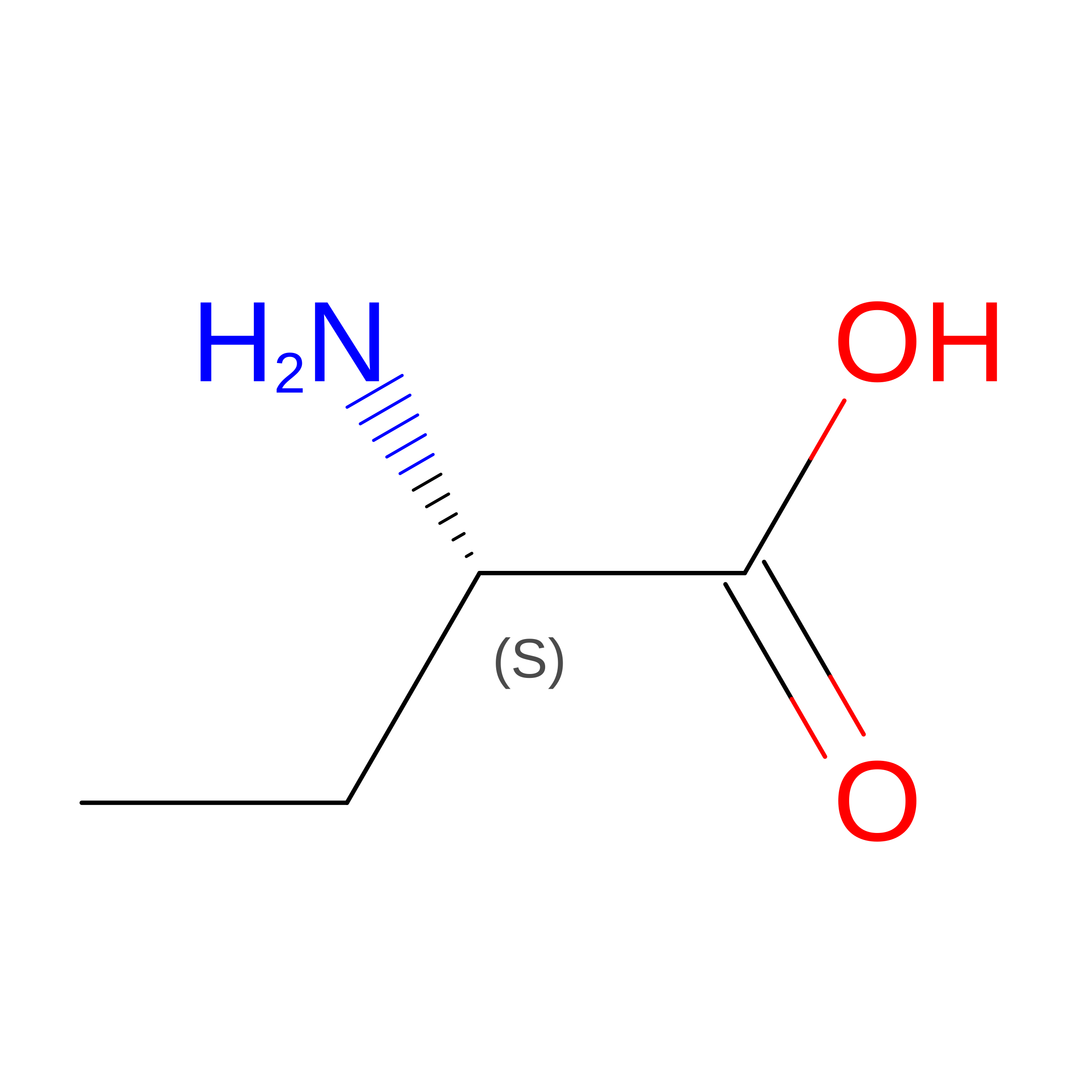
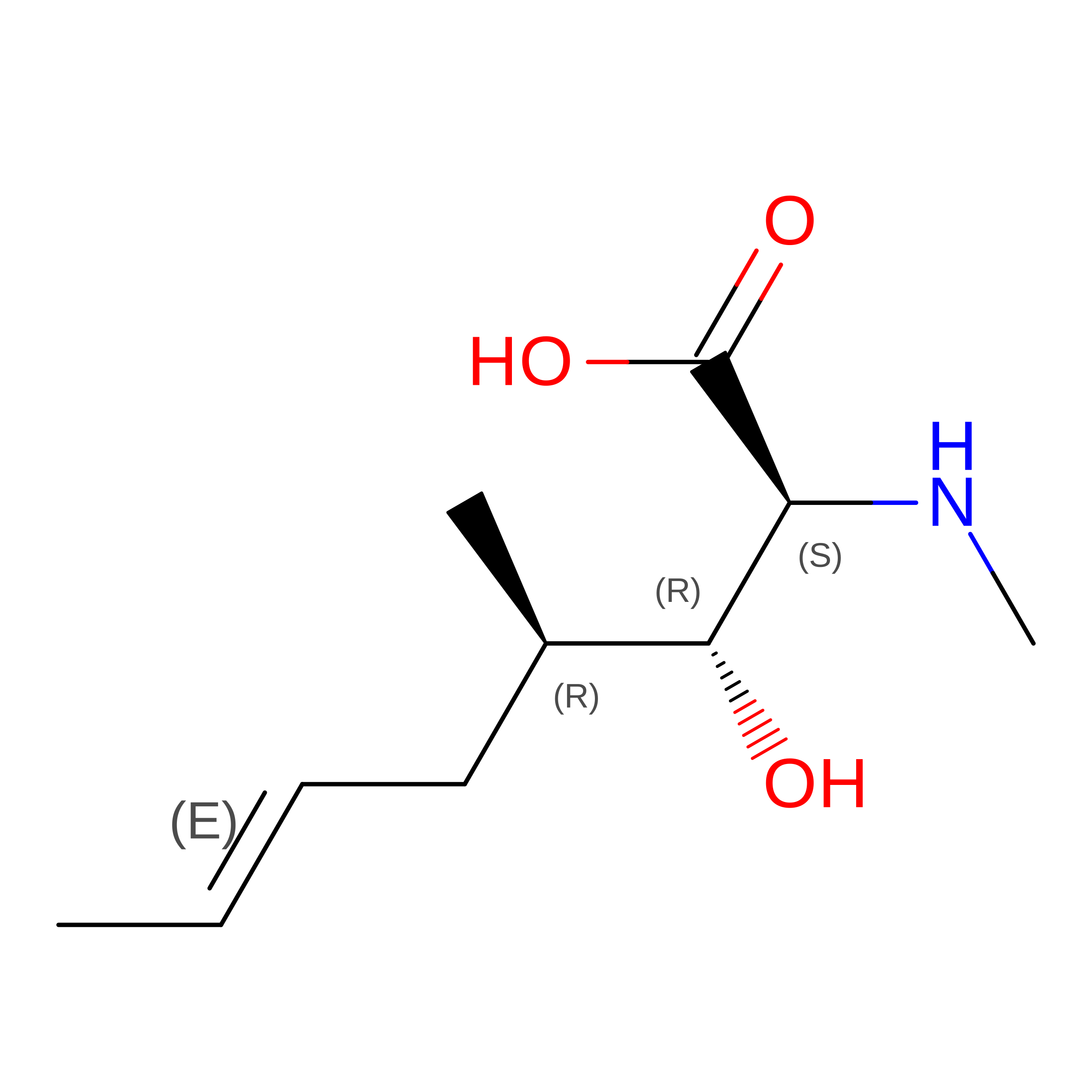
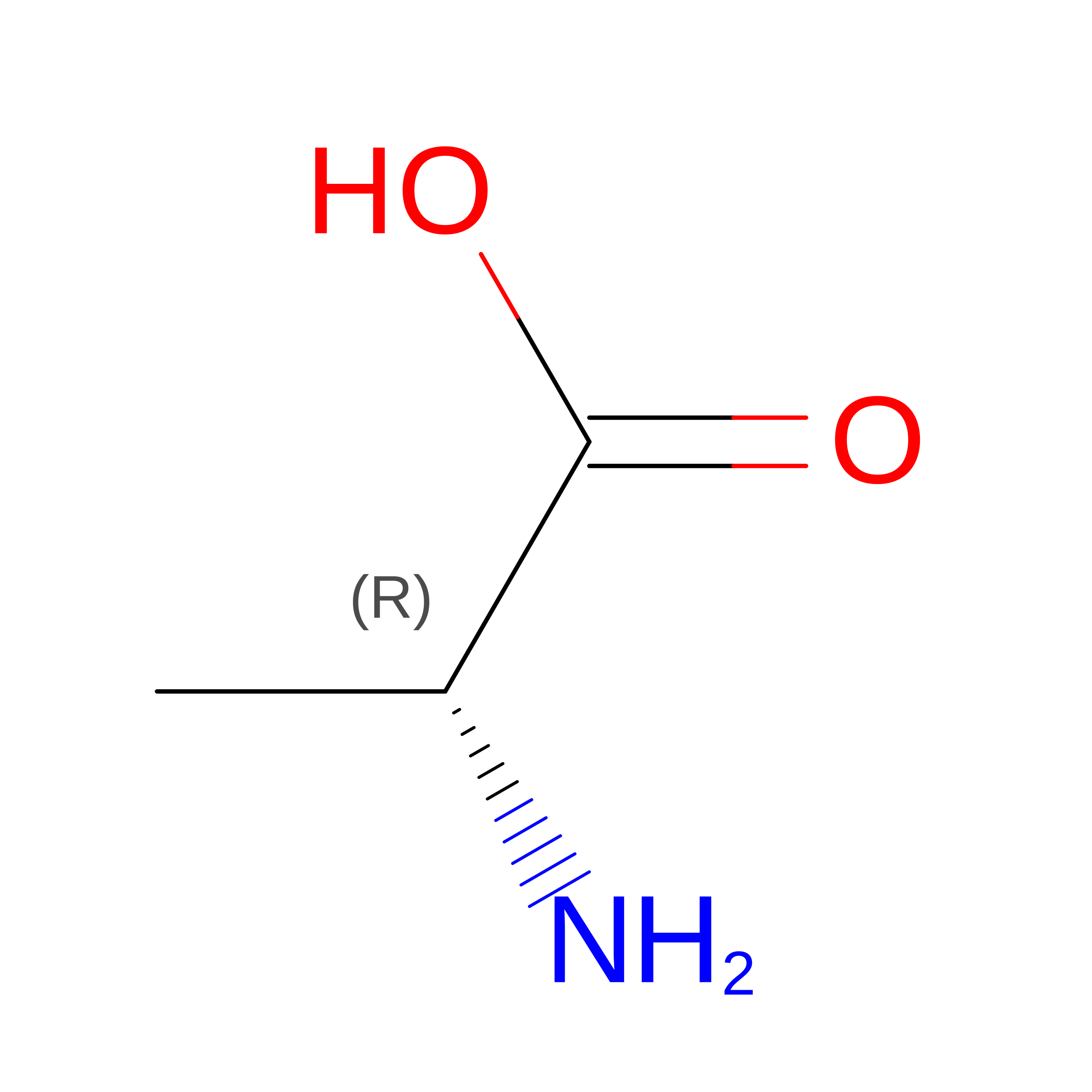
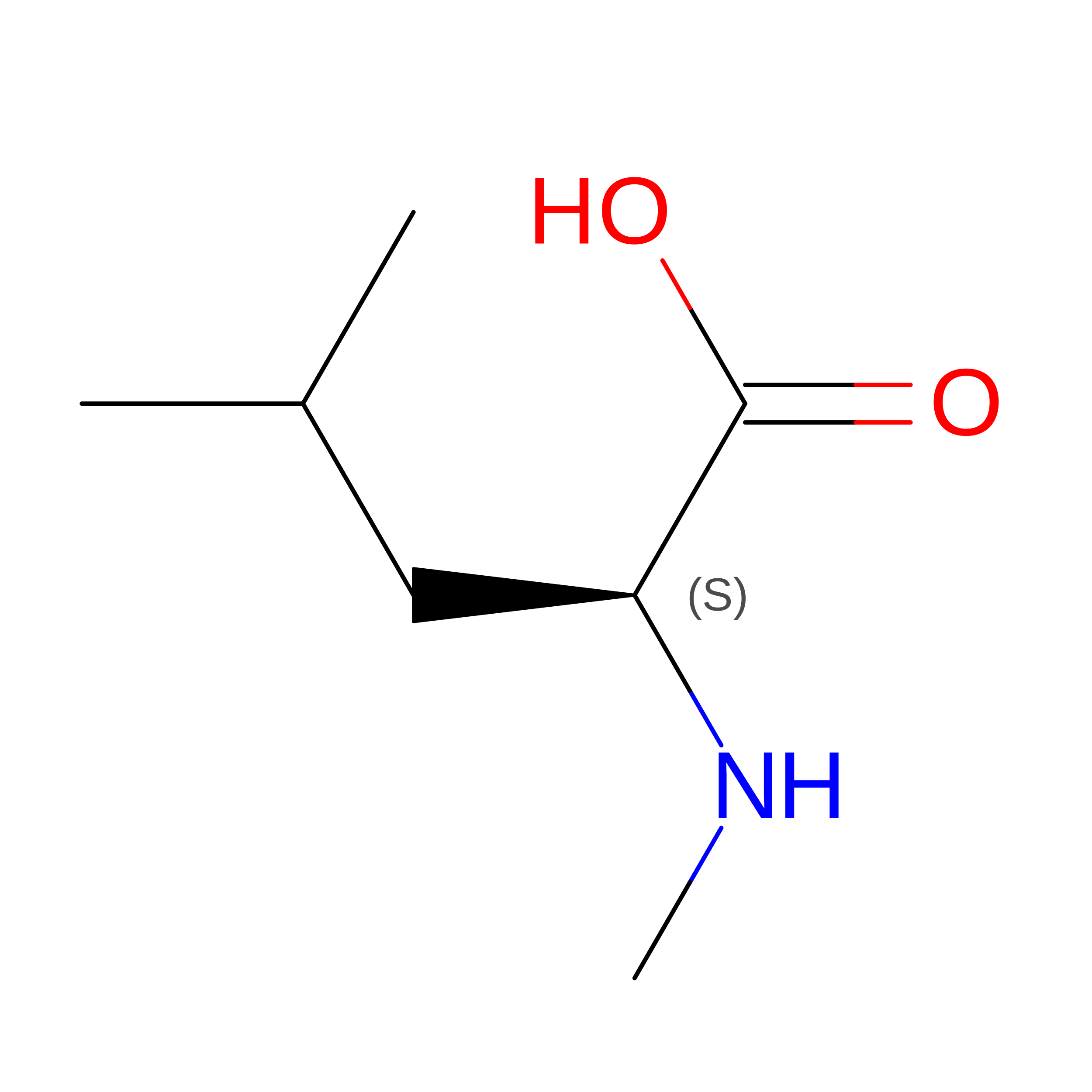
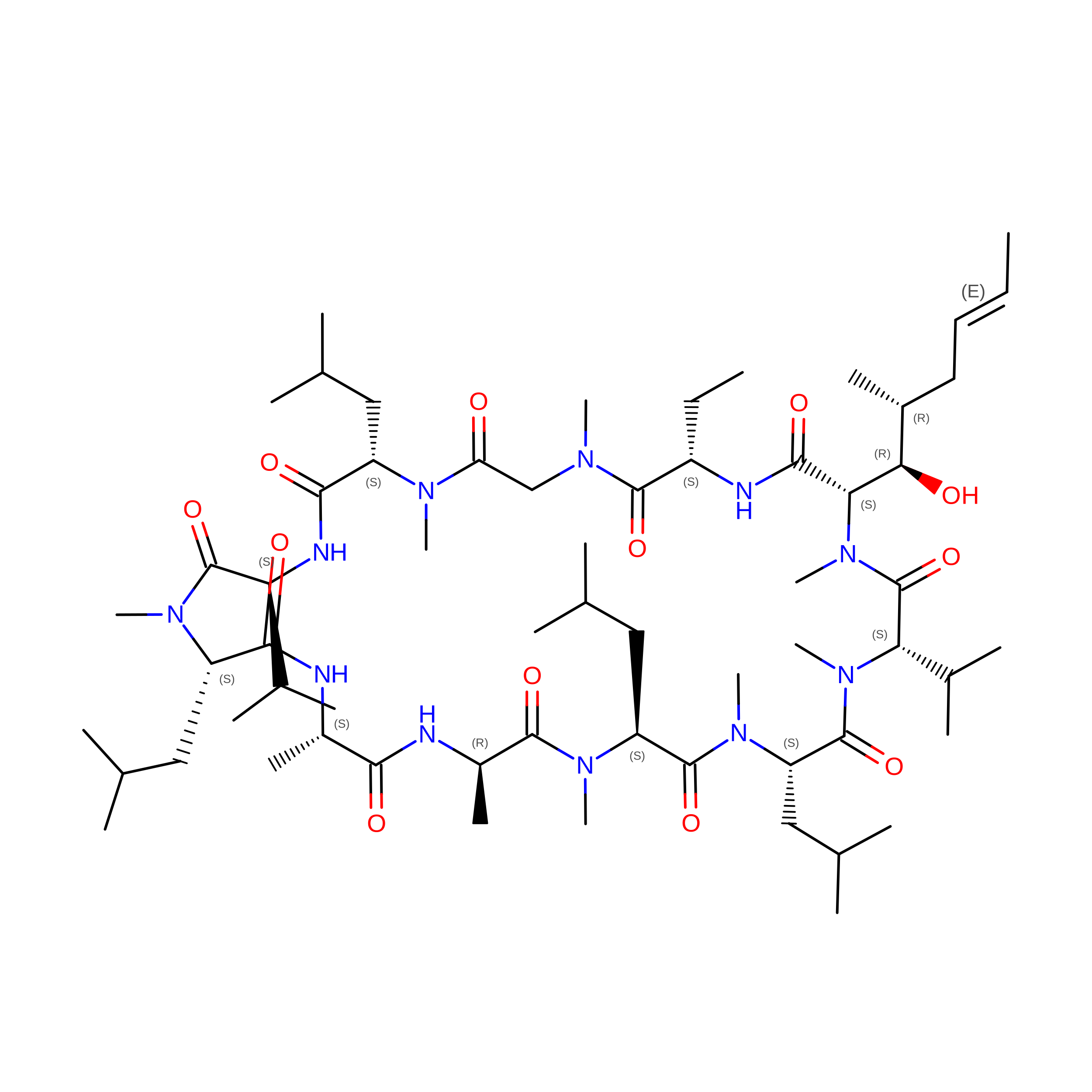
The periplasmic Escherichia coli cyclophilin is distantly related to human cyclophilin (34% sequence identity). Peptidyl-prolyl isomerase activity, cyclosporin A binding, and inhibition of the calcium-dependent phosphatase calcineurin are compared for human and E. coli wild-type and mutant proteins. Like human cyclophilin, the E. coli protein is a cis-trans peptidyl-prolyl isomerase. However, while the human protein binds cyclosporin A tightly (Kd = 17 nM), the E. coli protein does not (Kd = 3.4 microM). The mutant F112W E. coli cyclophilin has enhanced cyclosporin binding (Kd = 170 nM). As for the human protein, the complex of the E. coli mutant with cyclosporin A inhibits calcineurin. Here we describe the structure at pH 6.2 of cyclosporin A bound to the mutant E. coli cyclophilin as solved with solution NMR methods. Despite the low overall sequence identity, the structure of the bound cyclosporin A is virtually identical in both proteins. To assess differences of the cyclosporin binding site, the solution structure of wild-type E. coli cyclophilin was compared with structures of uncomplexed human cyclophilin A and with cyclosporin bound. Despite the structural similarity of bound cyclosporin A, the architecture of the binding site in the E. coli protein is substantially different at the site most distant to tryptophan 121 (human sequence). This site is constructed by a five-residue insertion in a loop of the E. coli protein, replacing another loop in the human protein.
- Department of Biological Chemistry and Molecular Pharmacology, Harvard Medical School, Boston, Massachusetts 02115.
Organizational Affiliation: