Download Mendeley
An NMR, CD, molecular dynamics, and fluorometric study of the conformation of the bradykinin antagonist B-9340 in water and in aqueous micellar solutions.
Sejbal, J., Cann, J.R., Stewart, J.M., Gera, L., Kotovych, G.(1996) J Med Chem 39: 1281-1292
- PubMed: 8632435 Search on PubMed
- DOI: https://doi.org/10.1021/jm950485f
- Primary Citation Related Structures:
1BDK - PubMed Abstract:
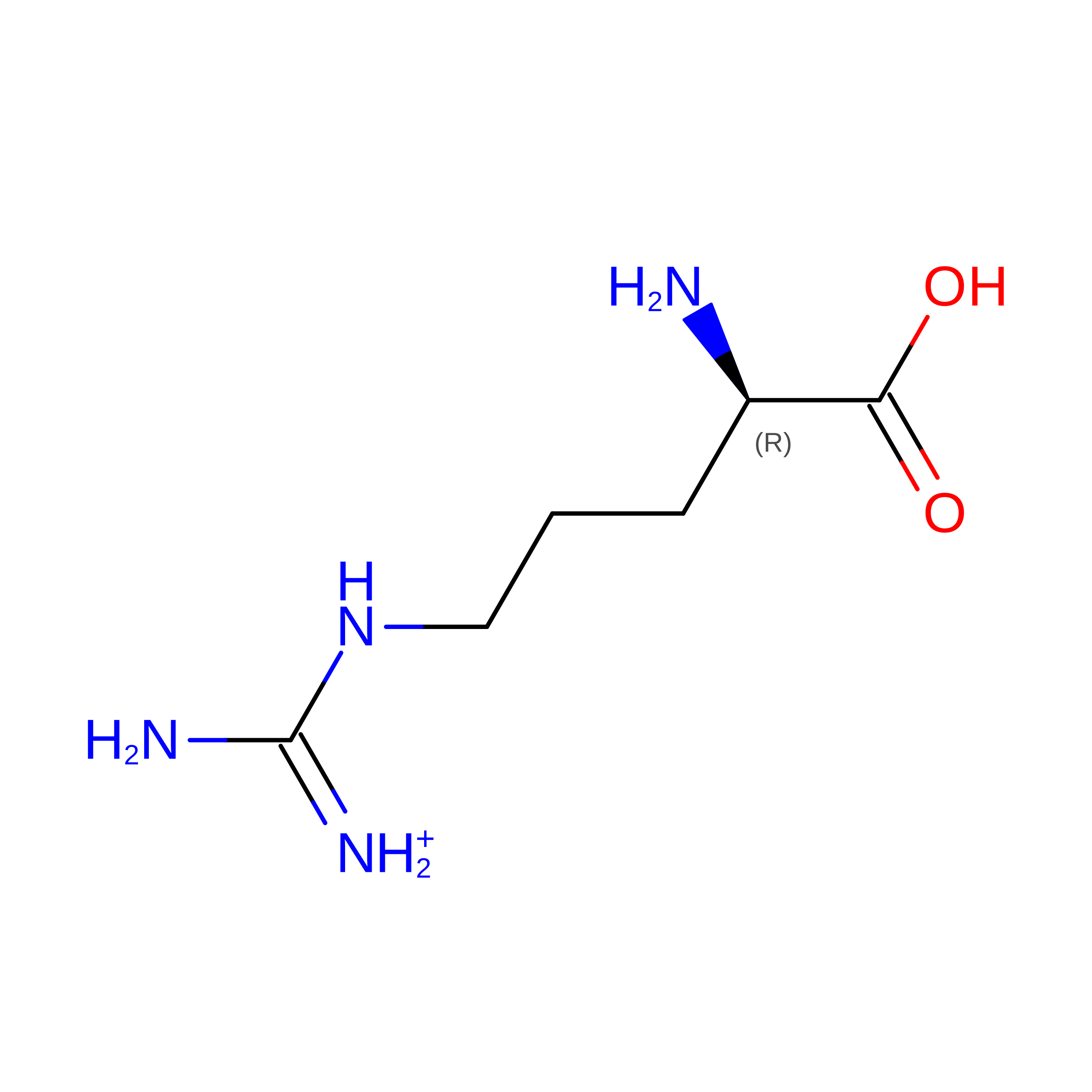
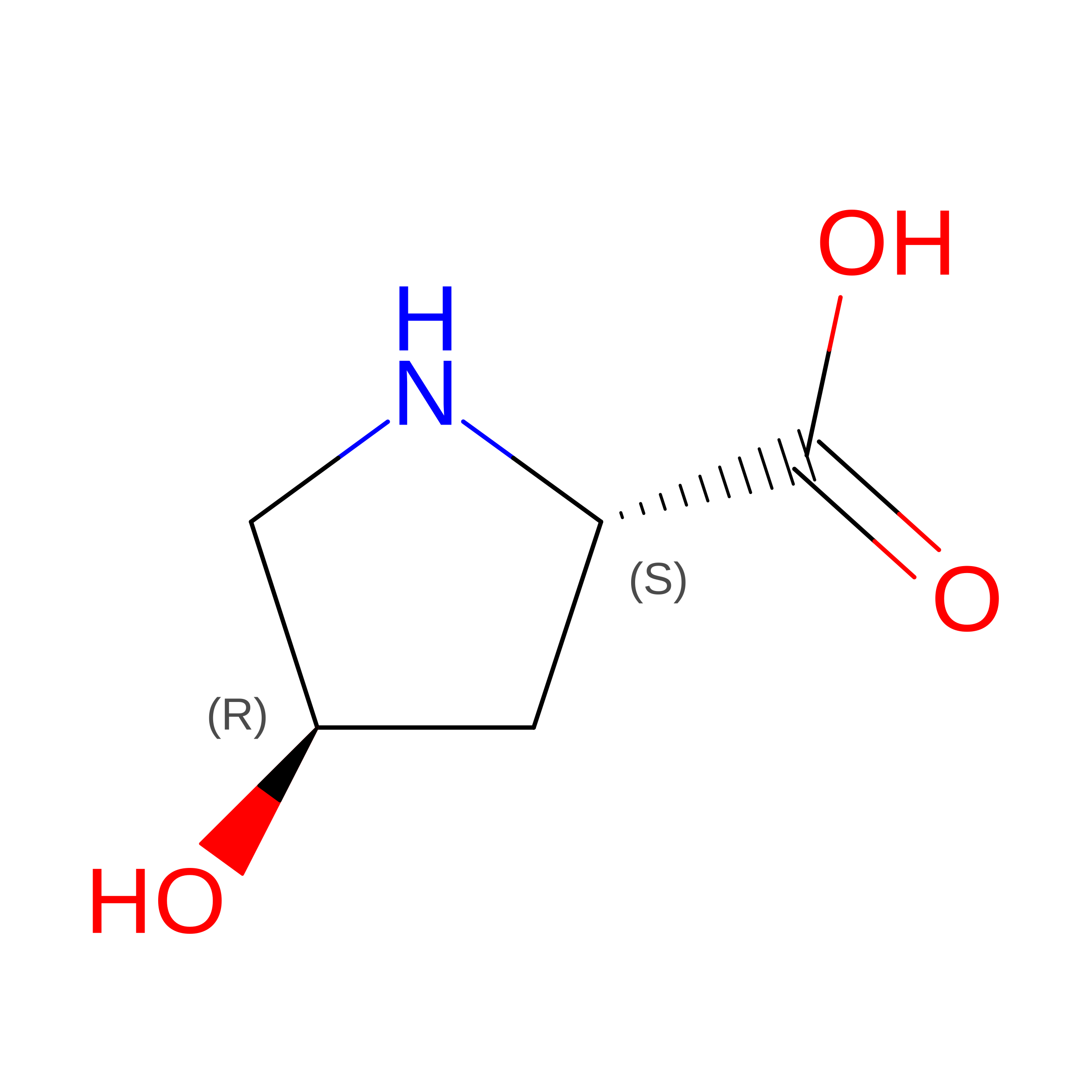
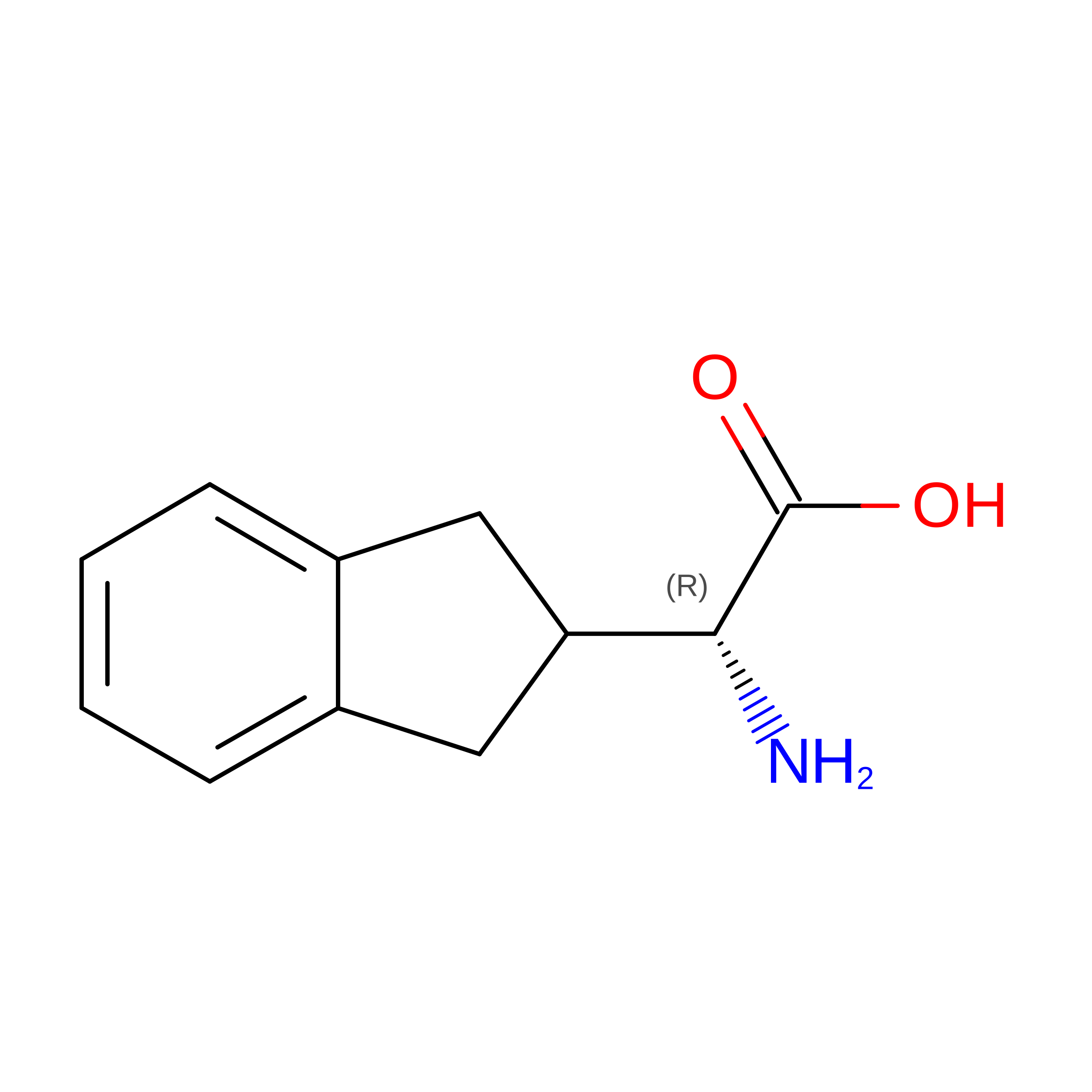
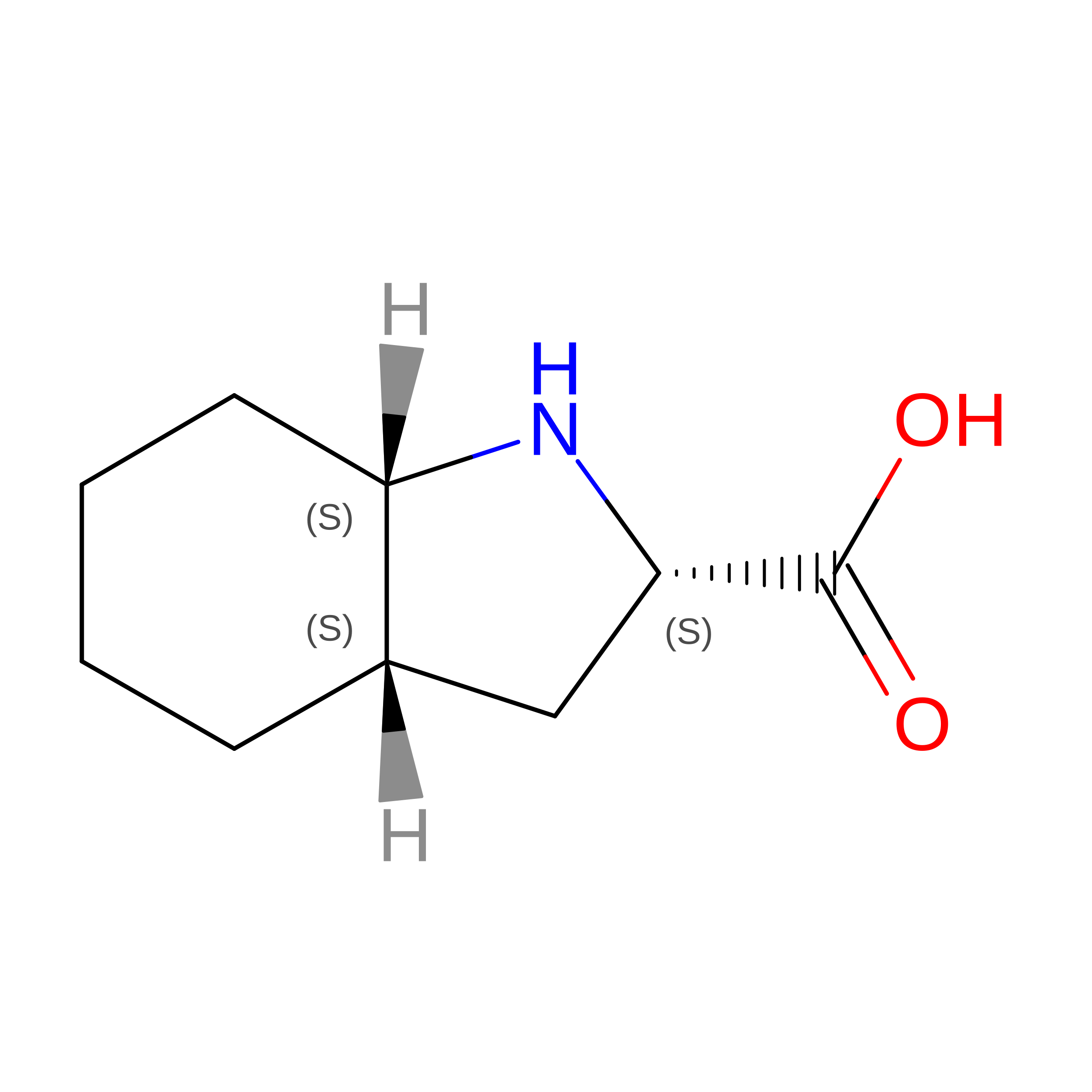
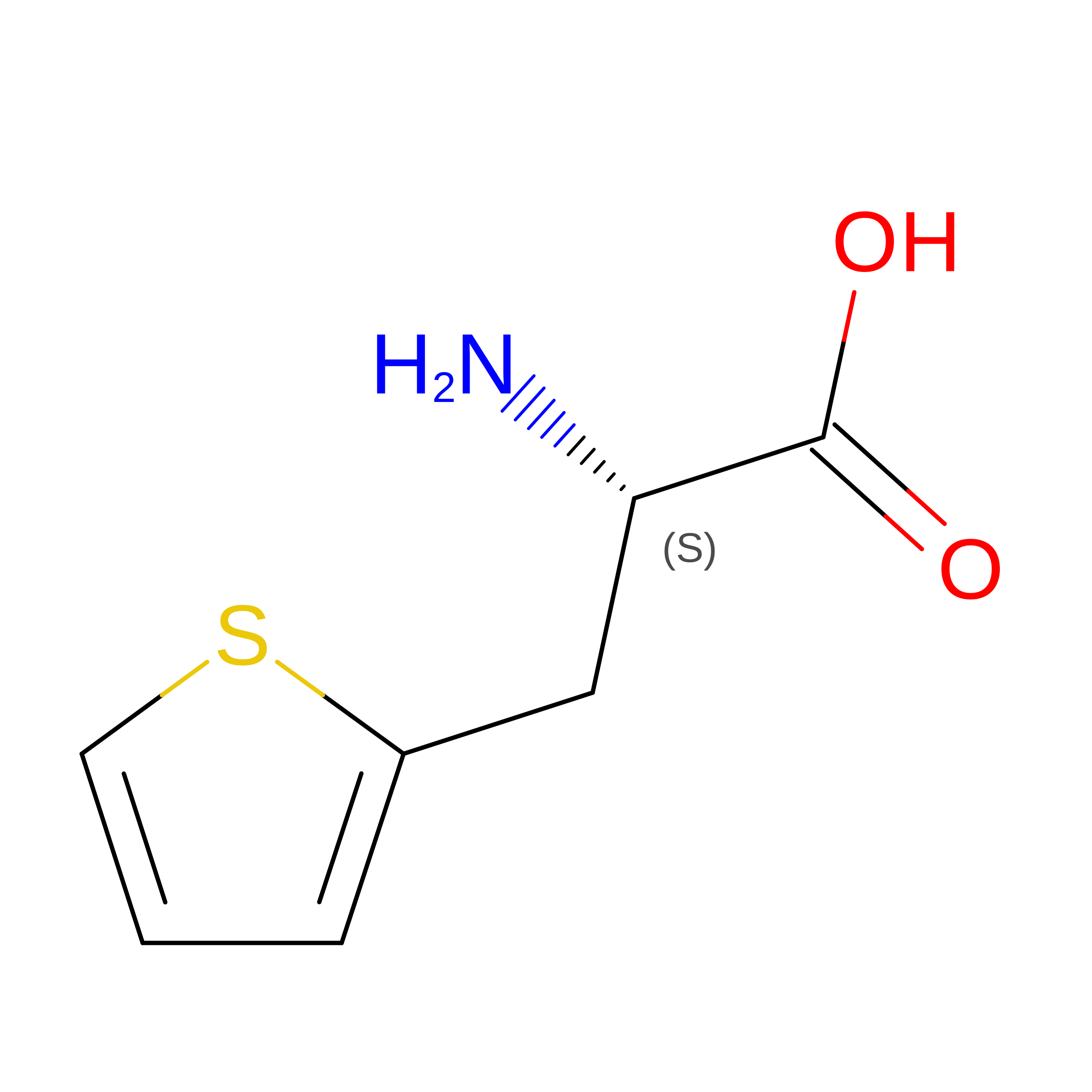
A detailed NMR, CD, fluorometry, and molecular modeling study of a novel bradykinin antagonist B-9340, containing a novel amino acid D-Igl (alpha-(2-indanyl)glycine) at position 7, was carried out. The sequence of B-9340 is D-Arg0-Arg1-Pro2-Hyp3-Gly4-Thi5-Ser6-D- Igl7-Oic8-Arg9, where Hyp is hydroxyproline, Thi is beta-(2-thienyl)alanine, and Oic is (3aS,7aS)-octahydroindole-2-carboxylic acid. The CD results exhibit a striking effect of SDS on the spectrum of the BK antagonist, indicating that interaction with the surfactant induces a folded peptide structure. The interaction of this antagonist with phosphatidylinositol was monitored by fluorometry, indicating that the interaction of the peptide with the lipid is cooperative, and gives a Hill coefficient of 2.3. The two-dimensional proton NMR measurements indicate that B-9340 has no stable secondary structure in water solution and contains about 10-15% cis peptide bonds arising from Pro2, Hyp3, and Oic8. In SDS micelles, NMR reveals the existence of two beta-turns based on a number of medium-range connectivities that were useful for molecular modeling. The actual molecular modeling and dynamic runs were performed on B-9340 in an environment consisting of a layer of octyl sulfate anions and water. Ther results indicate that the structure of B-9340 in a micellar environment is characterized by a nonideal betaII-turn comprising residues Pro2 to Thi5, a nonideal betaII'-turn comprising residues Ser6-Arg9, and broad folding in the middle part of the molecule. The structure is stabilized by several hydrogen bonds and by a salt bridge between the guanidine moiety of Arg1 and the carboxyl group of Arg9, whereas the middle part of the peptide is buried in the micelle. The structure is deposited as Brookhaven PDB file 1 BDK.
- Department of Chemistry, University of Alberta, Edmonton, Canada.
Organizational Affiliation: