Find PDB structures and Computed Structure Models (CSM) by combining queries from tools in this suite: Attribute Search, Sequence Similarity, Sequence Motif, 3D Similarity, and 3D Motif with 'AND' logic.
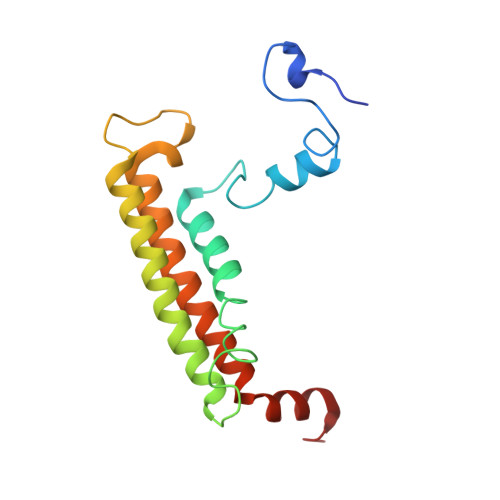
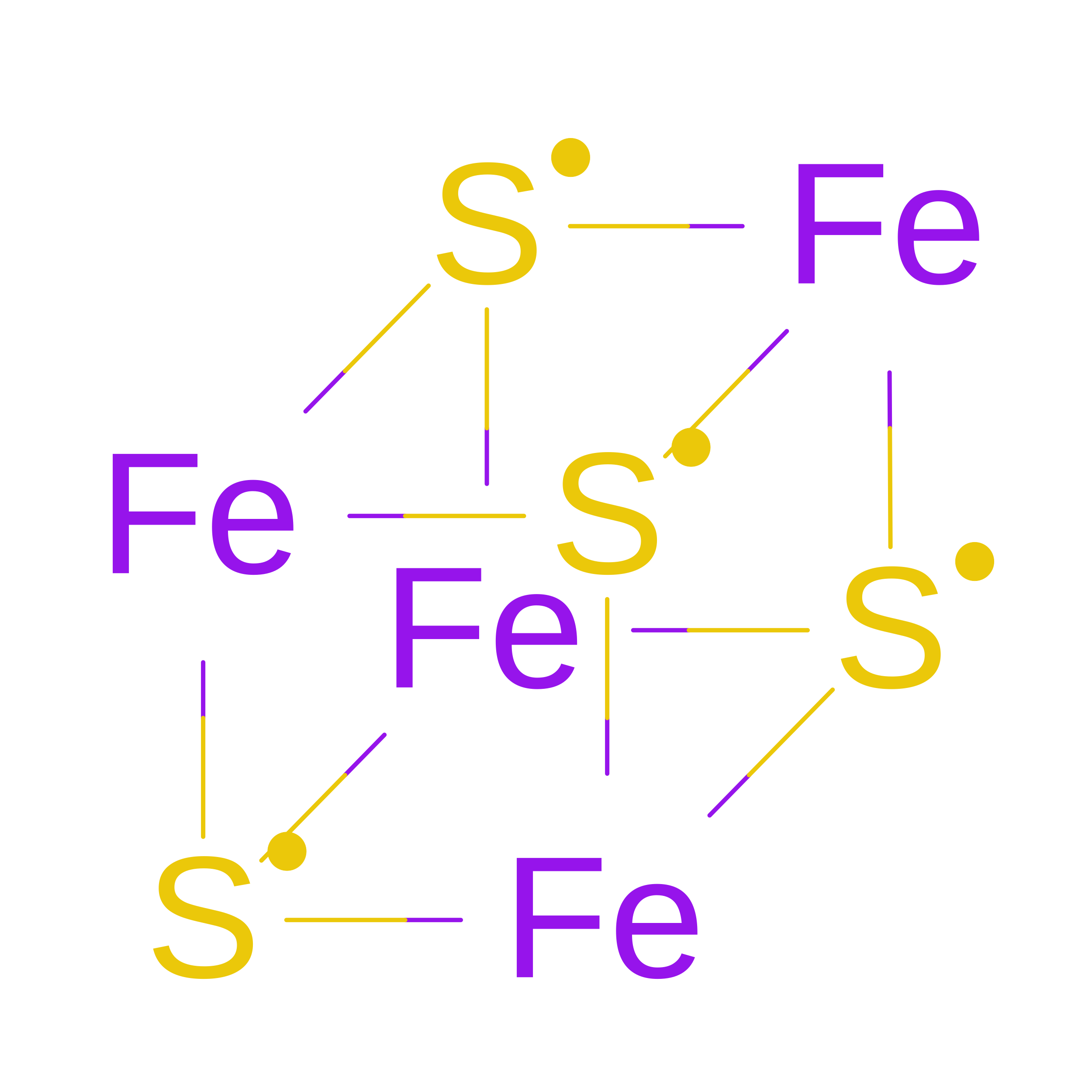
Direct solar-to-chemical conversion offers a compelling route to clean, dispatchable energy. Photosystem I (PSI), an evolutionarily optimized light-driven oxidoreductase central to oxygenic photosynthesis, can be repurposed for direct solar-fuel production by efficiently coupling its photochemistry to catalysts, thereby storing sunlight as chemical energy in the H-H bond of H2. One promising architecture integrates PSI with Pt nanoparticle (PtNP) catalysts to create photocatalytic PSI-PtNP biohybrids. Advancing these systems requires molecular-level insight into protein-nanoparticle interactions and the bio-nano electron transfer pathways that govern activity; however, progress has been constrained by limited structural data to guide rational design. Here, we present two molecular structures of active PSI-PtNP assemblies that (a) compare thermophilic and mesophilic PSI scaffolds and (b) probe how removal of the terminal [4Fe-4S] clusters and stromal subunits in PSI reshapes protein-nanoparticle interfaces and photocatalysis. Structural analyses and molecular dynamics simulations define the interface topology, electrostatics, and cofactor-to-nanoparticle distances, revealing key molecular features that control biohybrid formation and electron transfer efficiency. These data establish mechanistic links between scaffold composition, bio-nano interface geometry, and catalytic performance, yielding design principles for optimizing PSI-PtNP architectures. The resulting structure-function insights provide a blueprint for engineering PSI-based solar-fuels systems and, more broadly, inform the design of protein-nanomaterial interfaces for light-driven catalysis.
Organizational Affiliation:
Department of Biochemistry, University of Wisconsin-Madison, Madison, WI, 53706, USA.
MSU-DOE Plant Research Laboratory and Department of Biochemistry and Molecular Biology, Michigan State University, East Lansing, MI, 48824, USA.
Chemical Sciences and Engineering Division, Argonne National Laboratory, Lemont, IL, 60439, USA.
AN [auth i] AO [auth L] BC [auth A] BE [auth G] CC [auth A]
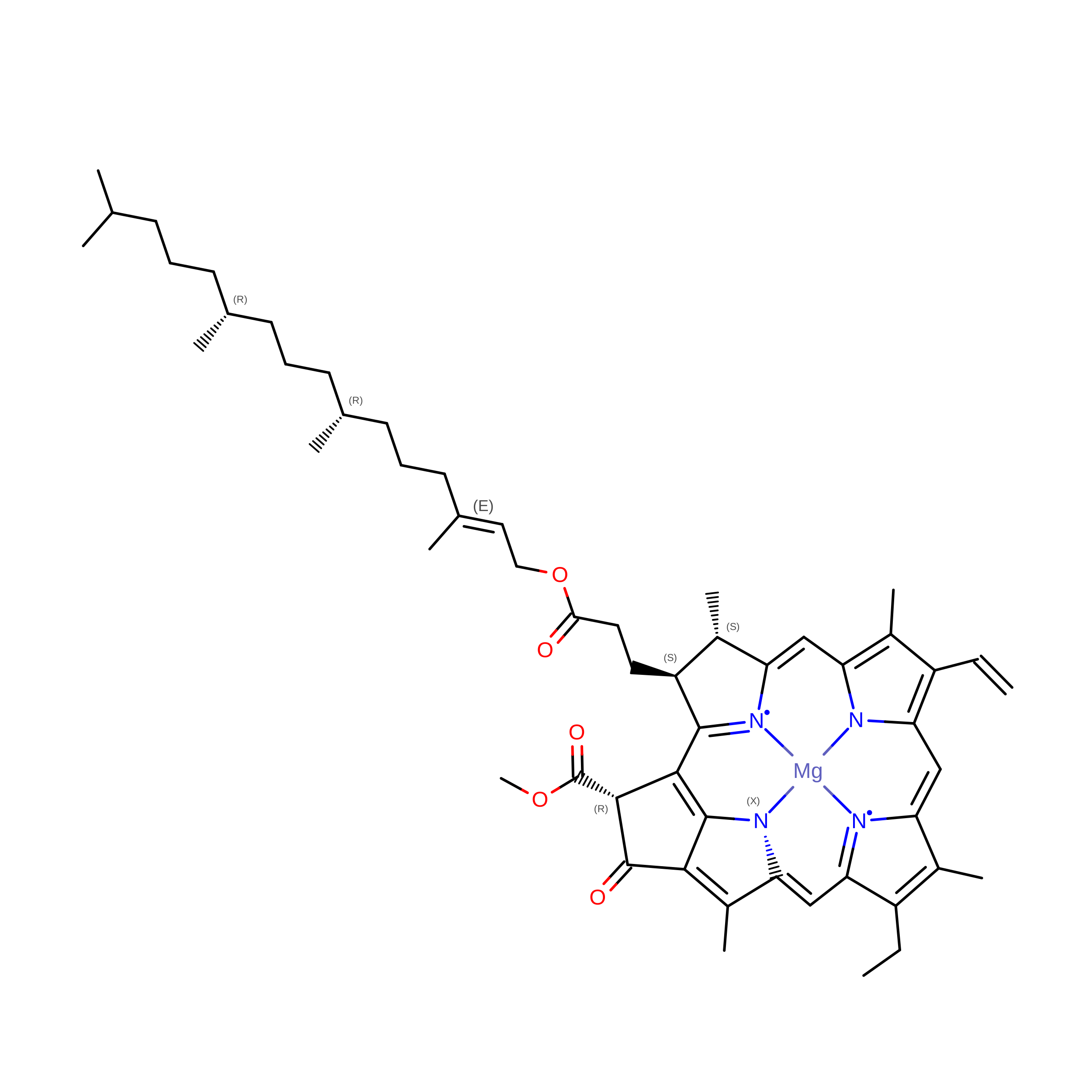
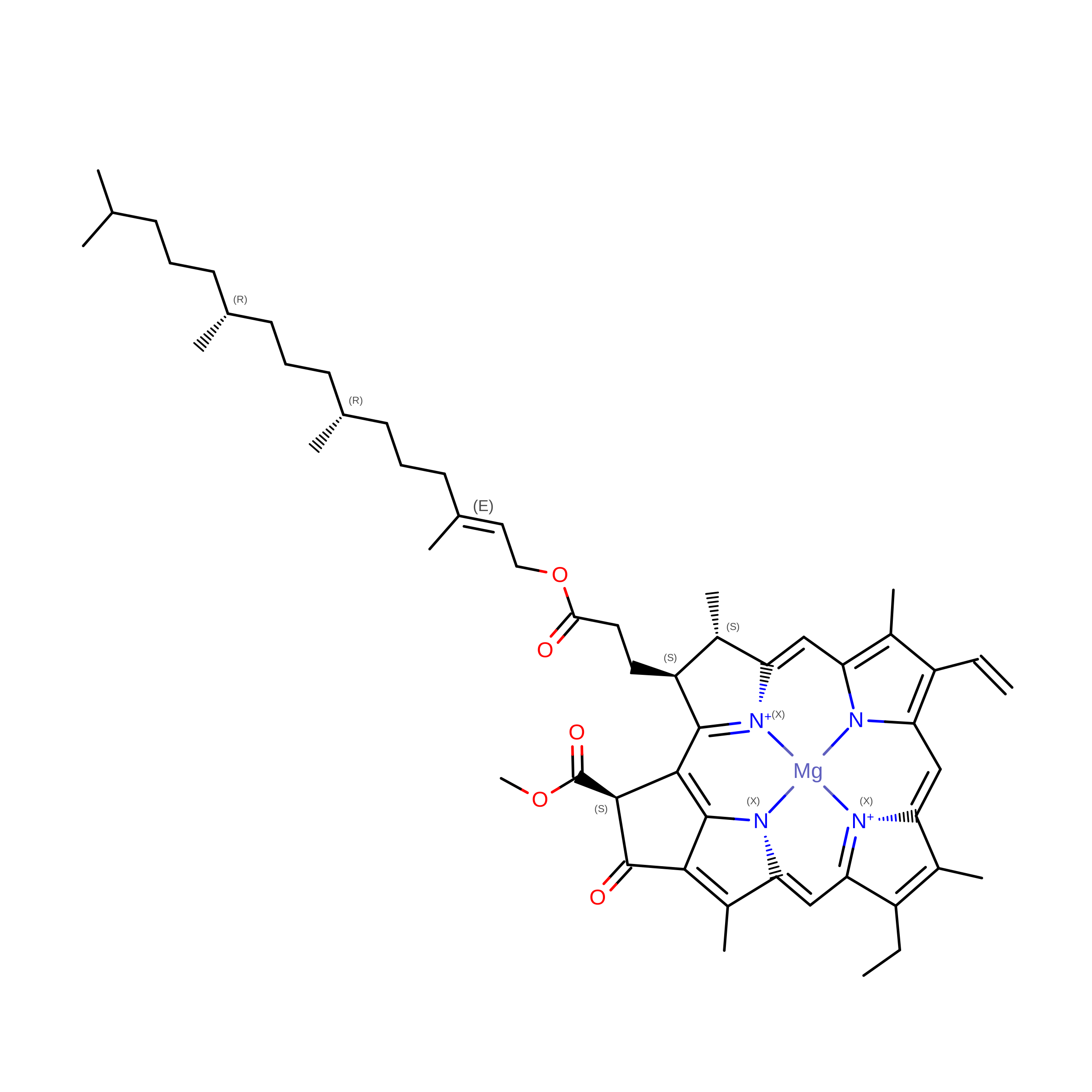
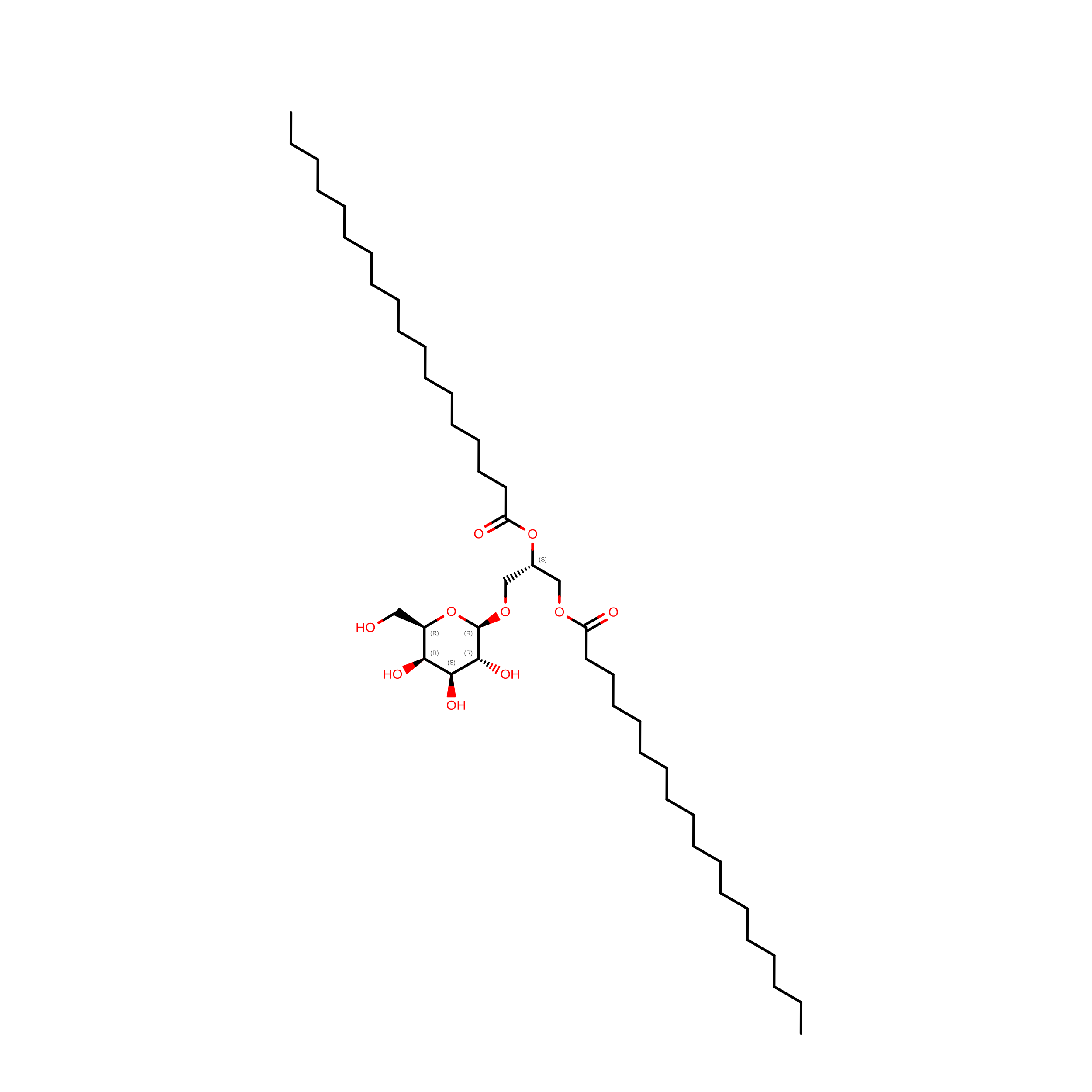
AN [auth i], AO [auth L], BC [auth A], BE [auth G], CC [auth A], CE [auth G], CG [auth a], CM [auth b], CO [auth L], DC [auth A], DE [auth G], DG [auth a], DM [auth b], EC [auth A], EE [auth G], EG [auth a], EI [auth B], EK [auth H], EM [auth b], EN [auth J], EO [auth U], FC [auth A], FE [auth G], FG [auth a], FI [auth B], FK [auth H], FM [auth b], FN [auth J], FO [auth U], GC [auth A], GE [auth G], GG [auth a], GI [auth B], GK [auth H], GM [auth b], HG [auth a], HI [auth B], HK [auth H], HM [auth b], II [auth B], IK [auth H], IM [auth b], IN [auth S], JI [auth B], JK [auth H], JN [auth S], KI [auth B], KK [auth H], KM [auth b], KO [auth U], LO [auth l], MI [auth B], MK [auth H], MO [auth l], NN [auth j], ON [auth j], QO [auth l], SM [auth F], SO [auth M], UO [auth V], VM [auth Q], VN [auth L], WM [auth f], XM [auth I], XO [auth m], ZM [auth R]

 Download Mendeley