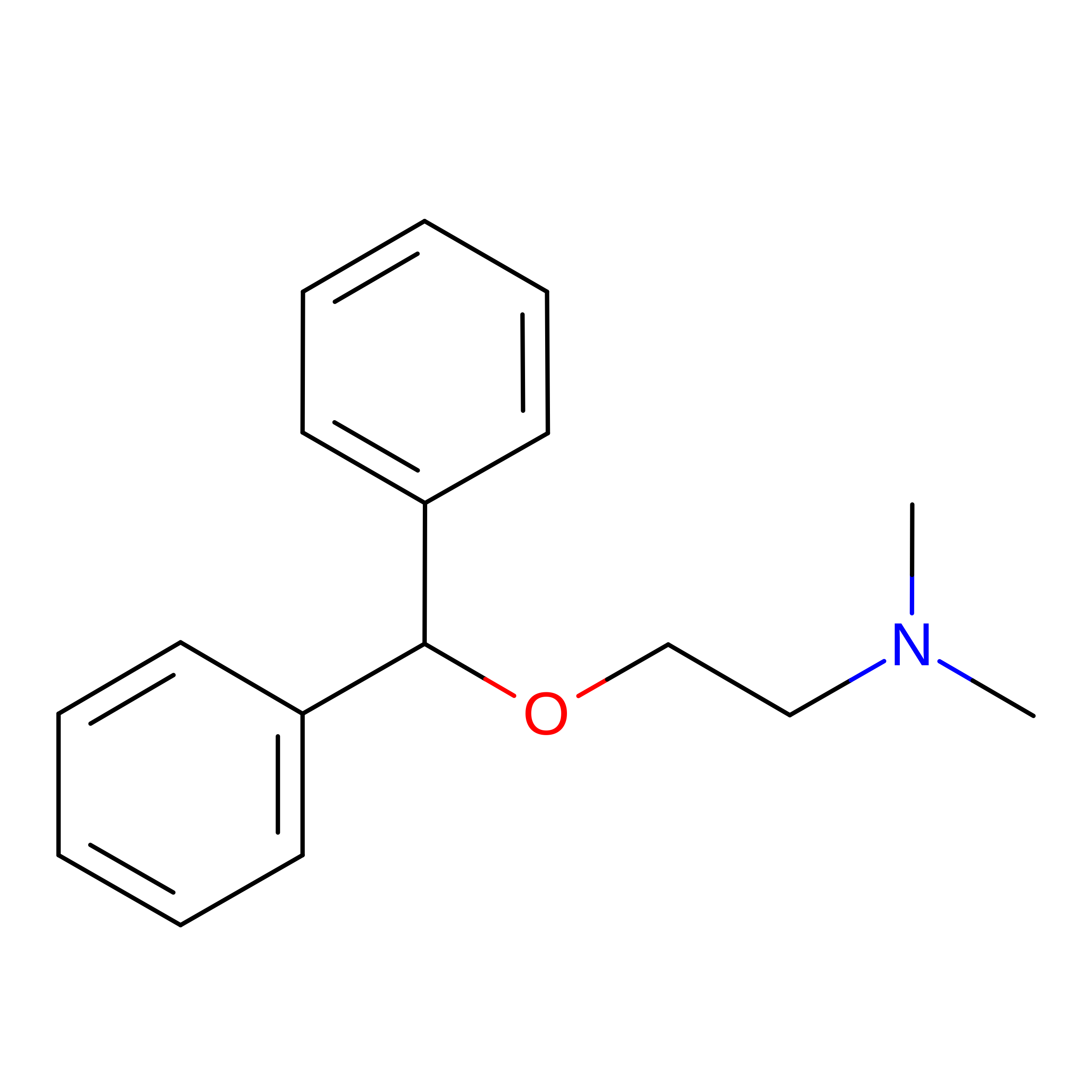
Description Diphenhydramine - perhaps known most commonly as its brand name formulation Benadryl - is a first-generation H1 receptor antihistamine that is used extensively for the treatment of seasonal allergies, insect bites and stings, and rashes [L5263, L5266, L5269, F3379]. However, it also has antiemetic, antitussive, hypnotic, and antiparkinson properties [L5269, F3352]. As histamine receptors exist both peripherally and in the central nervous system, diphenhydramine has been shown to cause sedation due to its competitive antagonism of histamine H1 receptors within the central nervous system [L5263, L5266, L5269, F3379, A174541]. While its use in allergy therapy can sometimes fall out of favor due to its sedative effect, diphenhydramine has been repurposed for use within many non-prescription over-the-counter sleep aids and cough-and-cold medications that have been marketed for "night time" use [L5263, L5281, L5287]. Diphenhydramine is also used in combination with [DB14132] as the anti-nausea drug [DB00985] where it is utilized primarily for its antagonism of H1 histamine receptors within the vestibular system [A1540]. Diphenhydramine has also been shown to be implicated in a number of neurotransmitter systems that affect behaviour including dopamine, norepinephrine, serotonin, acetylcholine, and opioid [A1539]. As a result, diphenhydramine is being investigated for its anxiolytic and anti-depressant properties. Brand Names Pain Plus Sleep Lil Drug Store Tylenol PM Extra Strength Careone Allergy Relief Acetaminophen, Diphenhydramine Hydrochloride Good Sense Sleep Time
Topcare Flu and Severe Cold and Cough Wal Flu Severe Cold and Cough Best Choice Itch Relief Quality Choice Severe Cold and Cough Nighttime After Bite Plus Rx Act Flu and Severe Cold and Cough Nighttime Pain Away plus Sleep aid Acetaminophen and Diphenhydramine HCL Childrens Benadryl Chewables Wal-Phed PE Daytime / Nighttime SleepAid (Diphenhydramine HCL) Benadryl Extra Strength Itch Cooling Clear Time Savvy Itch Stopping Advil PM, CVP HEALTH Allergy Tablets 25mg Sinus Relief Day and Night Extra Strength Nite-Time Pain Relief Benadryl Allergy & Sinus Simply Sleep Dormiphen Extra-fort Capsule Sleep Aid Nighttime FirstCare Childrens Allergy Diphenhydramine HCl Chewable Gels Smart Sense Allergy Relief Benadryl Allergy Plus Cold Diphenhydramine HCl Injection, USP Pain reliever PM Extra Strength Premier Value Allergy Diphenhydramine Hcl Mucus Relief Nighttime Cold Flu Maximum StrengthCold Flu and Sore Throat Tecnu Calagel Dormin Formu Care Flu and Severe Cold and Cough Night Time Children's Allergy and Sinus Medication Liquid Suspension SanaTos Severe Cold and Cough Nighttime A Health Itch Relief Gel Aurodryl Childrens Allergy Sleep Aid NightTime AcetaFlu NightTime Effervescent CoreTex Anti-Itch Gel Allergy Get Relief ShopRite Pain Relief PM Junior Strength Allergy Tablets Childrens Allergy Relief Dye-Free Sleep Eze D Extra Strength Caplet 50mg Sting Kure - Liq Ibuprofen and Diphenhydramine HCl Healthy Accents Allergy After Bite Outdoor Diphen Jack & Jill Bedtime Night Time Sleep-aid Benadryl Bug Bite Relief Sleep-eze Daytime Nighttime Severe Cold Cough and Flu Relief Triaminic Day Time Cold and Cough and Night Time Cold and Cough Rite Aid Nighttime Severe Cold and Cough Relief Diphenhydramine HCl 25mg 24ct Blister Allergy and Cold PE Itch Relief extra strength Pain Relief plus Sleep Aid Acetaminophen PM Extra strength Quality Choice Nighttime Severe Cold and Cough Honey Lemon infused with Chamomile and White Tea Flavors Johnson and Johnson First Aid All Purpose 160 CT Texaclear PM Pain Reliever Sleep Aid Children's Allergy Formula Rapid Melts Shopko Anti-Itch Robitussin Night Time Cough and Cold Circle K Nighttime Sleep-Aid Diphenhydramine hydrochloride Mucus Relief Nighttime Congestion Cough Maximum Strength Smart Sense Anti Itch Extra Strength Benylin Extra Strength All-IN-one Cold, Flu & Cough Night Pain Relief PM Extra Relief Benylin Night Cough Sleep-Aid, Circle K Bactimicina Childrens Allergy Good Sense Sleep Aid Easy Care First Aid Diphenhydramine Weeks and Leo Extra Strength Itch Stopping Extra Strength Nytol Tab 50mg Nighttime Cold and Flu Relief Therapy Medique Diphen Facol Cold and Flu Day and Night Topcare Childrens Night Time Cold and Cough AuroZzil NIGHTTIME SLEEP-AID Nighttime Allergy Relief Extra Strength Aller-aide Plus M-Dryl Mucus Relief All in One Maximum Strength Walgreens Daytime Nighttime Wal-Flu Severe Cold and Cough Kit Allergy Plus Sinus Relief Family Dollar Nighttime Severe Cold and Cough honey lemon infused with chamomile and white tea flavors Childrens PediaClear Cough Dicopanol Aller-aide Sleep-Aid Diphenhydramine HCl SunMark Allergy Relief Leader ibuprofen pm Allergy Relief Dye-Free Softgel Good Sense Nighttime Sleep Aid Wal-Nadol PM Extra Strength No-pain PM PM pain reliever Bye Bye Bite Lot Premier Value night time severe cold and cough honey lemon infused with chamomile and white tea flavors Allergy relief Severe Congestion and Cough/Cold and Flu Daytime/Nighttime/Maximum Strength Pharbedryl healthy mama eaZZZe THE PAIN Extra Strength Wal-dryl Itch Relief Rapid Release Pain Relief PM Good Neighbor Pharmacy Sleep Aid Childrens Dimetapp Nighttime Cold and Congestion Extra Strength Benadryl Allergy Only For ALLERGY Tact Severe Congestion and Cough, Cold and Flu Daytime, Nighttime Allergy Formula Elixir Pain Relief PM Nightime Sleep Aid Flu Relief Therapy Extra Strength Itch Relief Harris Teeter Ibuprofen PM Good Neighbor Allergy Relief Premier Value Sleep-Aid Neocitran Thin Strips Nighttime Cough and Cold Dermamine Extra Strength Itch Stopping Vanapain PM Pain Relief PM extra strength allergy relief Diphenhydramine HCI 25 mg Antihistamine Meijer Nighttime Sleep Aid Non Habit Forming Smart Sense Sinus Relief Vicks NyQuil HOT REMEDY RAPID RELIEF MULTI-SYMPTOM Cold and Flu plus Congestion Equate Itch Relief Gel Wal-Dryl-D Health Mart severe cold cough and flu Jack & Jill Bedtime Cough & Cold Theraflu Severe Cold Relief Daytime and Theraflu Severe Cold Relief Nighttime Suppress Cough Syr W.cod.diphen.hcl Amm.chl. RIGHT REMEDIES Allergy Relief Signature Care Allergy Relief Childrens Mucinex Night Time Multi-Symptom Cold Childrens Wal Dryl PE Acetaminophen Diphenhydramine HCL Basic Care Allergy Relief Pain Relief Acetaminophen PM Extra Strength Preferred Plus Cold and Flu Night Time Dormax Advil Cold & Flu Sleep-aid Lil Drug Store Nighttime Sleep-Aid Daytime Nighttime Severe Cold and Flu Diphendydramine Hydrochloride KMart - Pain Relief PM Daytime Severe Cold and Flu Nighttime Severe Cold, Cough and Flu Childrens Allergy Plus Congestion Relief Extra Strength Flu Relief Nightime Unisom Sleepgels Extra Strength Anti-itch Plus Cream Nighttime Liquigel Sleep-aid Excinol Night (Acetaminophen) TopCare Mucus Relief and Cold and Flu Sinus Relief Children's Tylenol Complete Cold, Cough & Fever Nighttime Sudafed PE Cold and Cough Dormiphen Extra-fort Comprime The Itch Eraser Gel Dr. Sheffield Anti Itch Cream Flu and Sore Throat Naproxen Sodium and Diphenhydramine Hydrochloride Discount Drugmart Nighttime Sleep-Aid AuroFlu Night Time Severe Cold and Cough Warming Relief Sleepinal Extra Strength Total Symptom Relief Sugar-free Anti-Itch Leader Sleep Aid Compoz MAXIMUM STRENGTH nighttime sleep aid Wal-Sleep Z Diphenhydramine HCl / Sleep Aid Topcare ZZZ Sleep Quality Choice Nighttime Sleep-Aid Theraflu Nighttime Multi-Symptom Severe Cold Powder Day and Night Cold Extra Strength Tylenol Allergy Sinus Nighttime Caplet Nighttime Super Strength Contac Complete Allergy, Sinus and Headache Relief Medication Mucus Relief Severe Congestion Cough Night Time Cold and Flu Maximum Strength Sleep Aid Dye-Free NIghttime Allergy Formula Liquid Capsules Dormmy-lon Nighttime Sleep-Aid Non-Habit Forming Excedrin PM Triple Action Caplets Naproxen Sodium PM Theraflu Warming Relief Nighttime Severe Cold And Cough MAXIMUM STRENGTH Nighttime Sleep Aid Sunmark z sleep Mucus Sinus Relief Day and Night Mucinex Sinus-Max Day Time Severe Congestion Relief and Mucinex Sinus-Max Night Time Congestion and Cough Maximum Strength Excedrin PM Triple Action Caplets and Excedrin Tension Headache ZzzQuil Soothing Berry Allergy Softgel Cough and Cold Nighttime Sleep Easy Wal Som Nighttime Sleep Aid Nighttime Children's Benadryl Allergy Strips Dg Health Allergy Childrens Delsym Childrens Night Time Cough and Cold Restfully Sleep Preferred Plus Severe Cold Cough and Flu Benadryl Inj. 50mg/ml Zzzquil Nighttime Sleep Aid Good Sense Pain Relief PM Extra Strength Nighttime Total Cold and Flu Dye-free Allergy Relief First Aid Shot Therapy Allergy Relief Mucinex Fast Max Day Time Severe Congestion and Cough and Night Time Cold and Flu Assured Headache PM (Aspirin Free) Allergy Relief DIPHENHYDRAMINE HCI, 25 mg Antihistamine TUSSIN CF NIGHTTIME COUGH and COLD Careone Allergy Dye-Free ALLERGY Preferred Plus Complete Allergy Medicine Severe Cold Cough and Flu Childrens Benadryl Allergy Children's Benadryl Allergy Liquid Sudafed PE Day Plus Night Sinus Congestion Walgreens Sugar Free Nighttime Wal-Flu severe cold and cough Natural honey lemon flavor Drx Choice childrens allergy chews Diphenhydramine HCl and Zinc Acetate Dye-Free Allergy Diabetic Tussin Nighttime Cold and Flu Nighttime Symptom Relief Extra Strength for Symptoms Of Cold and Cough Children's Benadryl Allergy Chewables TopCare Anti-Itch Children's Tylenol Allergy-D Suspension Up and Up Naproxen Sodium PM 7 Select Night Time severe cold, cough and flu Texaclear Night Time Cough Cold/flu Childrens Benadryl Allergy Plus Congestion Maximum Strength Mucinex Fast-Max Day Time Cold and Flu and Maximum Strength Mucinex Fast-Max Night Time Cold and Flu Diphenhydramine Hydrochloride 50 Mg Capsule Good Neighbor Pharmacy Allergy Zzzquil Alcohol Free CVS Pharmacy Nighttime Severe Cough and Cold honey lemon infused with chamomile and white tea flavors Naproxen Sodium Diphenhydramine HCl Wal Flu Severe CVS cough and severe cold night time honey lemon infused with chamomile and white tea flavors Delsym Night Time Cough and Cold TopCare Nighttime Cold and Flu Simple Relief Severe Allergy Plus Sinus Headache Sleep II Nighttime Sleep Aid Amazon Basic Care Ibuprofen PM Wal-Phed PE Pressure plus Pain plus Cold Daytime, Nighttime, Multi-Symptom Basic Care Acetaminophen PM Help I cant Sleep Buckley's Complete PM - Nighttime Geri Dryl Childrens Dye Free Allergy Trialyn Syrup Nighttime Allergy Dimetapp Cold and Cough and Nighttime Cold and Congestion Multi Symptom Cold and Multi Symptom Nighttime Cold Childrens Mucinex Childrens Day Time Multi-Symptom Cold and Mucinex Childrens Night Time Multi-Symptom Cold Triple Pack Good Sense Flu and Severe Cold and Cough Nighttime Welly Childrens Travel Medicine Signature Care severe cold cough and flu Nighttime Good Neighbor Pharmacy Cold and Flu Night Time CVS Health Nighttime Sleep-Aid Dye-Free Adult ALLERGY Extra Strength Nighttime Allergy Liquid Gel Capsules Excedrin PM Unisom SleepMinis Nighttime Sleep-Aid EZ Nite Sleep Children Allergy Dye-Free Wal Dryl 20 single doses x 5mL ea smart sense Allergy Relief Pain Reliever & Sleep Aid Cough, Cold and Flu Relief Complete Night Super Strength Allergy Elixir Triacting Night Time Nighttime Sleep-Aid Maximum Strength Severe Cold DM Severe Cold and Flu Wal-dryl Allergy After Sting Equaline Night Time Sleep Aid Sleep Eze D Extra Strength Cap 50mg Allergy Relief 25 mg Dr. Cocoa Nighttime Cough and Cold Tylenol Allergy Multi-Symptom Nighttime NightTime Pain Reliever PM Nighttime Pain Reliever Severe Cold and Cough Relief Nighttime Sleep Tabs Daytime and Nighttime Sinus Congestion PE DrKids Childrens Muti Symptom Cold Flu and Sore Throat Nighttime Betr Allergy Relief Deluxe Dental Emergency Kit Benadryl Fast Melts Nighttime Cold and Flu-IN-one Extra Strength Tecnu Rash Relief Topcare Clear Time Extra Strength Sinutab Sinus Nighttime Anti-itch Diphenhydramine Hydrochloride Cream Lucky Itch Stopping DG Health Maximum Strength Sleep Aid FLU-MED NIGHTTIME SEVERE COLD and COUGH Nite Time Sleep Aid LiquidGels Diphenhydramine Hydrochloride Caplets 50 mg Cough and Allergy Syrup With Codeine Valumeds Nighttime Sleep Aid Equaline Anti Itch Sunmark z-sleep ZzzSleep Western Family Nighttime Severe Cold and Cough honey lemon infused with chamomile and white tea flavors Children's Liquid Allergy Formula EZ Nite Sleep Berry Ibuprofen Daytime, Ibuprofen Nighttime Childrens Allergy Relief Dye Free Bubble Gum Mucus Relief Severe Cold Daytime Cold and Flu Nighttime Meijer Nighttime Severe Cold and Cough Honey Lemon infused with Chamomile and White Tea Flavors Leader Pain Reliever PM Percogesic Original Strength Daytime Mucus Relief Nighttime Cold and Flu Nighttime sleep aid Equaline Anti-itch Basic Care Daytime Severe Cold and Flu Nighttime Severe Cold Cough and Flu Dorm-L Tab 25mg Extra Strength Nighttime Pain Reliever / Sleep Aid Sleep Aid Nite Time DM Syrup Advil PM, TRAVEL BASIX Armand Regular Strength Itch Stopping Dye-free Allergy Children's Clear Allergy Formula SleepTime Diphenhydramine Hydrochloride 25mg Select Brand Extra Strength Itch Stopping Unisom Warming Cherry Jamp Diphenhydramine Children's Syrup Triaminic Nighttime Cough and Cold Topcare Sleep Aid Nighttime Dimetapp Multi-Symptom Cold and Flu Allergy Relief Extra Strength Nighttime Benadryl Allergy Sinus Headache Kroger NiteTime Flu plus Severe Cold and Cough Sting-eze-liq Smart Sense Ibuprofen PM basic care acetaminophen PM CAREALL Non-Aspirin PM Extra Strength Adult Allergy Relief CareOne Allergy Relief Circle K Nighttime Sleep Aid Diphenhydramine HCL 25 mg Up and Up Ibuprofen PM Cold and Cough MULTI-SYMPTOM DAYTIME / NIGHTTIME Wal-Dryl Allergy Dye Free Benadryl-D Allergy and Sinus Pain Reliever Sleep Aid Extra strength Severe Allergy Sleepeze eze melts Calmylin #4 Syr Sleep-eze Eze-liquid Tact Cool Jelly Antihistimine Allergy Nighttime Severe Cough and Cold Shoprite Ibuprofen PM Sedicin Tablets 25mg Leader Maximum Strength Sleep Aid Sleep-Aid Regular Strength CAREALL Anti-Itch Topcare Allergy Daytime Nighttime Cold and Cough Childrens Reeses Onetab Allergy and Sinus Topcare Pain Relief PM Extra Strength Sleep-eze Eze-free Leader allergy Up and Up Nighttime Sleep Aid CareOne sinus relief day time sinus relief night time Acetaminophen, Diphenhydramine Hyhrochloride, Phenylephrine Hydrochloride CVS dye-free childrens allergy Good Sense Flu and Severe Cold and Cough Good Neighbor Pharmacy Pain Relief and Pain Relief PM Blistex Ivarest Dimetapp Cold and Cough and Dimetapp Nighttime Cold and Congestion Damylin Avec Codeine Sirop Kinkan Cool Mucinex Sinus-Max Night Time Congestion And Cough Lil Drug Store Products Allergy Antihistamine Headache PM Formula Ivarest NightTime Cold and Flu Quality Choice Extra Strength Anti Itch Allerdryl Cap 50mg 7-Select Advil PM Health mart allergy childrens Benadryl Topcare Headache PM Formula Alka-Seltzer Plus Allergy Plus Pharma Calmylin Diphenhist Allergy Formula Liquid Gels Harris Teeter Allergy Relief Sound Body Sleep Aid Acetaminophen, Acetaminophen PM Extra Strength, Day and Night Dg Health Allergy Relief Olp Anti-itch Allergy Relief Sleep Nighttime Sleep Aid Sinus Pressure and Congestion Relief Leader SleepTime Berkley and Jensen Ibuprofen PM Total Cold & Flu Combo NIGHTTIME SLEEP AID Maximum Strength Effective Itch Relief Sominex Tablets 25mg Vicks childrens Cough Congestion Night Itch Relief Spray Robitussin Honey Severe Cough, Flu Plus Sore Throat Nighttime Simply Sleep Liqui-gels FIRST BXN Mouthwash Equate Allergy Relief Nighttime Sleep Aid Non Habit Forming Severe Cold and Cough Nighttime AuroFlu Flu and Sore Throat Warming Relief Ag-diphenhydramine 25 mg Pulmorex DM Syr ZZZQuil Nightime Sleep-Aid Duane Reade anti-itch ShopRight Childrens Nighttime Cold and Cough Theraflu Warming Relief Flu and Sore Throat PAIN RELIEF PM Extra Strength Multi Symptom Severe Cold and Nighttime Severe Cold and Cough DG Anti-Itch Doctor Manzanilla Cough and Cold CVS Health Childrens Allergy Relief EZ Nite Sleep Nighttime Sleep-Aid Triaminic Thin Strips Nighttime Cold & Cough Preferred Plus Severe Cold Day Time Cold and Flu Night Time Childrens Complete Allergy Medique at Home Diphen Benadryl Allergy Quick Dissolve Dye-Free Childrens ALLERGY Contac Cold Banophen Adventure Medical Kits 1-2 Person First Aid Multi Symptom Severe Cold PE Benadryl PE Total Extra Strength Advil Nighttime Childrens Tylenol Plus Cold and Allergy Mucinex Fast-Max Day Time Severe Cold and Mucinex Fast-Max Night Time Cold and Flu Maximum Strength Childrens Benadryl DYE-FREE ALLERGY Maximum Strength Sleep Aid Nytol Extra Strength Sleep Aid Caplet 50mg CVS Childrens Nighttime Multi Symptom Cold Atopalm Itch Relief Daytime Severe Cold Nighttime Cold and Flu Severe Cold PE CVS Regular Strength Itch Stopping Industrial Itch and Pain Relief CVS Health Nighttime Severe Cough and Cold Nighttime Severe Cold and Cough AcetaMax PM Wal-dryl Itch Relief VICKS ZzzQuil NIGHTTIME SLEEP-AID Diphenhydramine HCl FREE OF Severe Allergy Relief Plus Sinus Headache Sleeptime Foster and Thrive Childrens Allergy Relief AuroMucus Fast Maximum Night Time Cold and Flu Dormirax 50 Diphenhydramine Hydrochloride 50 Mg Capsules USP Extra Strength Sleep Aid Daytime Nightime Severe Cold Leader Cold and Flu Sleep CareOne Nighttime Sleep Aid Nighttime Flu and Severe Complete Allergy Medicine Healthy Accents Anti Itch Daytime and Nighttime Pain Relief Ez Nite Sleep 24 / 7 Life Extra Strength Pain Reliever PM Equate Nighttime Sleep Aid Childrens Triacting Nighttime Cold and Cough Sominex Max Kids-EEZE Allergy Unisom DM Plus Cough Syrup Antihistamine Allergy Axim Allergy Allergy Plus Severe Sinus Headache Pain Reliever PM Multi Symptom NightTime Cold Preferred Plus Sinus Relief Day Tiime Night Time Siladryl Allergy Medicine Buckley's Complete Relief + Mucus Advil PM Benadryl Allergy Sinus Caplets The Itch Eraser Max Strength dg health Ibuprofen pm Childrens Allergy Relief Dye Free Cherry Family Wellness flu and severe cold and cough nighttime Buckley's Complete Cough, Cold & Flu Night Pain Relief PM Extra strength Sunmark Pain Reliever PM Extra Strength Childrens Triacting Nighttime Cold and Cough ReadyInCase Ibuprofen and Diphenhydramine Citrate Equaline Pain Relief PM Leader Childrens Allergy Benaldryl DM Cough Syrup Allergy Relief Dye-Free Liquid Gels Diphenhydramine Hydrochloride 50 Mg Caplet Dreamol Extra Strength Children Allergy Relief Dye Free Cherry Childrens Dye Free Allergy Relief PediaCare Childrens Nighttime Multi Symptom Cold Insomnal Dye-Free Wal-Dryl Night Time Cold and Flu NightTime Sleep Aid Maximum Strength Up and Up Acetaminophen PM Extra Strength Headache Formula PM Children's Cough, Cold & Allergy Strips Welby Allergy Relief Hydramine Robitussin Peak Cold Nighttime Multi-symptom Cold X3 On-the-GO First Aid Topical Analgesic Itch Relief Spray Allergy Relief Each Relief Equate Alahist LQ Only For SLEEP RiteAid Nighttime Sleep Aid Ibuprofen Nighttime PediaCare Childrens Allergy and Cold Non-Aspirin PM Extra Strength Headache Relief PM Contac Cold and Fever Caplets Extra Strength Benadryl Allergy Nighttime Rx Act Ibuprofen PM ZzzQuil Alcohol Free Nighttime Sleep-Aid Healthy Accents Sinus Relief childrens Allergy Dye Free Wal Dryl Only For FIRST AID MEDICINE Benadryl Allergy Children's Benadryl-D Allergy & Sinus Extra strength first aid anti-itch Rite Aid pharmacy Wal Sleep Z Wal-Dryl PE ALLERGY PLUS CONGESTION Sleep-eze Regular Strength Caplets Mucus Relief cold and flu Daytime/Nighttime Nadryl 50mg Allergy Relief Plus Sinus Headache Basic Care Daytime Severe Cold Nighttime Cold and Flu Childrens Allergy Relief Dye-free Ergodryl Cap Caring Mill Night Time Sleep Aid Childrens Benadryl ALLERGY Allergy Relief Complete Extra Strength Sinus Relief Nighttime Helath Mart Childrens allergy relief dye free AcetaFlu NightTime Aceta-gesic Sinus Relief Daytime Nighttime Children's Tylenol Allergy - D Chewable Tablets Childrens Triacting Night Time Cold and Cough Sleep Eze D Caplet 25mg Daytime Severe Cold and Cough and Nighttime Severe Cold and Cough Nighttime Pain Relief Basic Dental Emergency Kit Extra Strength Tylenol PM DIPHENHYDRAMINE HYDROCHLORIDE 50mg Childrens Allergy Dye-Free Wal Dryl Help I Can't Sleep Valumeds Aspirin Free Headache Relief PM NightTime Cold and Cough Children Sleep aid Maximum Strength Equaline Naproxen Sodium PM Acetaminophen, Diphenhydramine HCl Ibuprofen and Diphenhydramine Hydrochloride Capsules Good Sense pain relief pm extra strength Novex Diphenhydramine Flu Relief ZzzQuil Sound Body Childrens Allergy Relief Nighttime SLEEP AID Cold and Flu Daytime, Nighttime Daytime Cold and Flu Relief Softgels Non-drowsy NOTTS - Pain Relief PM Severe Cold Cough and Flu Relief Nighttime Good Neighbor Pharmacy Itch Relief Extra Strength Wal-Dryl Allergy Dye-Free Sominex Extra Strength Caplet 50mg 7 Select Night Time Sleep Aid Sinus Severe Cold Multi-Symptom Itch and Bite Relief First Aid Kit ShopRite Non Aspirin CareOne Pain Relief Pain Relief PM Day and Night Sinus Allergy Lil Drug Store Products Children's Benadryl Bug Bite Relief Silphen Non Aspirin PM Extra Strength Cold and Cough Pain Relief Acetaminophen PM Topcare Ibuprofen PM Basic Care Ibuprofen PM Sedamo Allergy Rapid Melts Childrens Good Neighbor Pharmacy Cleartime Leader Flu and Severe Cold and Cough Pain Relief PM Rapid Release Dye Free Wal Dryl Allergy childrens Benadryl Extra Strength Itch Relief DayTime NightTime Cold/Flu Vicks Childrens Cough Congestion CVS Health Medication and Topical Refill Pouch Dye Free Childrens Diphenhydramine Hydrochloride Jack & Jill Thin Strips Cough & Cold Rx Act Pain Relief PM Extra Strengh Rapid Release Benadryl Decongestant Tablets Benadryl Cream 2% Diphenhydramine Hydrochloride Injection, USP Zzzquil Liquid Sleep-eze Extra Strength Caplets Leader Anti Itch Dye Free Sleep Aid Nadryl 25mg Good Neighbor Pharmacy Sinus Relief Day Time Night Time Rugid Itch and Pain Relief Childrens Allergy Relief Dye Free Sleep Aid (regular Strength) Tab 25mg Benadryl Allergy Liquid Good Neighbor Pharmacy Flu and Severe Cold and Cough Nighttime Wal Dryl Best Choice Nighttime Severe Cold and Cough Honey Lemon infused with Chamomile and White Tea Flavors Topcare Sinus Relief Day Time Night Time Live Better Anti-Itch DG Health Ibuprofen PM Extra Strength Tylenol Pain and Head Cold Night Nighttime Cold and Cough Childrens Reeses Onetab Cold and Flu Mucinex Fast-Max Day Time Severe Congestion and Cough - Mucinex Fast-Max Night Time Cold and Flu Maximum Strength Mountain Series Weekender Medical Anti-Itch Maximum Strength Itch Relif Cvs Niteclear Cold and Flu Relief Good Neighbor Pharmacy Pain Relief PM Good Neighbor Pharmacy Mucus Relief Severe Cold Cold and Flu Night Time Allergy Relief Diphenhydramine HCl 25 mg ANTIHISTAMINE Allergy Circle K Our Family night time severe cold and cough honey lemon infused with chamomile and white tea flavors Equate Night Time Cold and Cough Childrens Wal Flu Severe Cold and Cough Daytime Nighttime Allergy Relief Diphenhydramine HCl Leader Night Time Cough and Cold Childrens Triacting Western Family Itch Relief Dr Cocoa Day Night Combo MYGRIN Nighttime Daytime Nighttime Cold and Flu Kids Allergy TRIAMINIC Night Time Cold and Cough Coricidin II Night Time Cold and Flu Goodys PM Pain Reliever Discount Drugmart Allergy Relief SohMed Pain Relief PM Up and Up Flu and Severe Cold and Cough Relief Severe Cold, Cold and Flu Maximum Strength, Daytime, Nightime Healthy Accents Severe Cold Dermagesic VIcks Flu Therapy Severe Cold and Flu Night Complete Allergy Softgel Smart Sense Sleep Aid Sleep-eze D Extra Strength Capsules Complete Allergy Contrast Allergy PreMed Pack PM Get Relief Suphedrine PE Wal-Dryl Childrens WAL-DRYL Single-Use Allergy Family Wellness Ibuprofen PM Extra Strength Nitetime Sleep Aid Gel Caps Vicks DayQuil NyQuil HOT REMEDY RAPID RELIEF MULTI-SYMPTOM Cold and Flu plus Congestion AfterBite with Antihistimine Sleep-aid Extra Strength L-Oral ALLERGEX Hay Fever and Allergy Relief Syrup Theraflu Nighttime Severe Cold and Cough Complete Allergy Antihistamine Nytol QuickCaps Topcare childrens allergy Sinutab Daytime/nightime Extra Strength Caplets (combo Pack) Bi Electro Extra Strength Kroger Nighttime Sleep-Aid Good Neighbor Pharmacy Flu and Severe Cold and Cough Sun Mark allergy relief Diphenhydramine Hydrochloride and Zinc Acetate Somnitabs Flu and Severe Cold and Cough Night Time Pain Relief PM extra Strength Severe Cold, Flu and Cough Benadryl Allergy & Cold Caplets Childrens Triacting Benadryl Itch Stopping Gel Rite Aid Anti-Itch Childrens Allergy Dye Free Allergy and Sinus Headache Relief Complete Allergy Relief, 24-7 Lift by 7-Eleven Acetaminophen With Antihistamine Nighttime Allergy Childrens Childrens Allergy Dye Free Wal-Dryl Childrens allergy relief Meijer Childrens Allergy Relief Bubblegum flavor Family Wellness Allergy Discount Drug Mart Regular Strength Itch Stopping Anti Itch Spray Severe Cough and Congestion and Cold and Flu Daytime, Nighttime Pdp-diphenhydramine Extra Strength/ Extra Fort Careone Nighttime Sleep Aid Mucus Relief Day Time and Night Time TexaClear Nighttime Sleep-Aid Cough Syrup Equaline Flu and Severe Cold and Cough Wal-Phed PE, Multi-Symptom Simply Right Diphenhydramine Hydrochloride Allergy Relief 7 Select Ibuprofen PM Buckley's Nighttime Cough & Congestion LEADER Nighttime Sleep-Aid Extra Strength Itch Stopping Diphenhydramine HCl 25mg Equate All Night Pain Relief Cold & Flu-IN-one TheraCare Extra Strength Anti-Itch Cream Itch Stopping Motrin PM Up and Up itch relief 7 Select Allergy Childrens FIRST Dukes Mouthwash Compounding Salonpas Medicated Plaster CareOne Day Time Severe Cold Night Time Cold and Flu Extra Strength PM Pain Relief CAREALL Diphenhydramine Pain Relief Medicine PM Allergy Relief DIPHENHYDRAMINE HCl, 25 mg Antihistamine Sleep Aid Extra Strength Panadol PM Family Wellness Anti-Itch Extra Strength Nighttime Sleepaid Mucus Relief All In One Daytime Nighttime Cold Flu Maximum Strength Extra strength Acetaminophen PM Allergy Relief Dye-Free Itch Relief Cream IC Ivy Relief Allernix ShopRite Allergy Relief Equaline Ibuprofen PM Allergy Formula Caplets Leader Anti Itch Maximum Strength Pain Relief PM Aleve Nighttime TRIAMINIC Childrens Night Time Cold and Cough Allergy Antihistamine Extra Strength Allergy Total Careone Sinus Relief Day Time Night Time Sleep Time Naproxen Sodium Diphenhydramine Hydrochloride Bayer PM Anti-Itch Wal-Dryl Up and Up Childrens Allergy Melts Wal-Dryl PE Allergy and Sinus Flu and Severe Cold Nighttime Relief Ibuprofen, Diphenhydramine HCl Ambenyl Cough Syrup Anti itch Topical Analgesic Severe Cold Daytime Cold and Flu Nighttime After Bite Xtra Advil Pain & Head Cold Night Neocitran Total Cold Night Unisom SleepMelts Nighttime Sleep-Aid Added Strength PM Walgreens Original Strength Anti Itch Aphenap Mucus Relief Daytime/Nighttime Severe Allergy And Sinus Headache Anti Itch Flu and severe cold daytime nighttime Extra Strength Pain Relief PM Childrens Cold and Cough Nighttime DG Health Allergy Circle K Allergy Antihistamine CVS Nighttime Sleep Aid Healthy Accents Allergy Relief Extra Strength Non-Aspirin PM Rite Aid Maximum Strength Itch Relief DG Health Tussin Sleepeze Gelcaps Extra Strength Night Time Pain Relief Dg Health Headache Relief PM Betr Remedies Allergy Relief Theraflu ExpressMax Daytime Nighttime Value Pack Di-phen Regular Strength Dormex Capsules Contac Day & Night Sinus/allergy Caplet Maximum Strength Nighttime Sleep-Aid Allergy Plus Congestion Children's Allergy Formula Allergy Relief Antihistamine Care One Pain Relief and Pain Relief PM First Aid Shot Therapy Sleep Aid Basic Care Naproxen Sodium PM Benylin for Children All-IN-one Cold & Fever Nightime Aller-Ben Ibuprofen PM Balminil Codeine Night Time + Expectorant Tylenol PM Extra Strength Children's Allergy Relief Liquid Benadryl Spray Severe Cold and Cough Night Time Multi-symptom Allergy Naproxen Sodium and Diphenhydramine HCl Dg Health Pain Relief PM Extra Strength Up and Up Allergy Relief 24/7 Life Allergy Relief Smart Sense Pain Relief PM Extra Strength Cold and Congestion Childrens Nighttime Sunmark Allergy Relief Antihistamine Rotosxika Sleep Aid Patch Childrens Benadryl-D ALLERGY and SINUS Children's Tylenol Cold and Cough Nighttime Extra Strength Simply Sleep Liqui-gels Cold and Flu Severe Night Diphenist Diphenhydramine Hydrochloride Elixir U.S.P. PMS-diphenhydramine Hydrochloride Inj 50mg/ml Delsym Cough Plus Cold Day Time and Delsym Cough Plus Cold Night Time Au Kah Chuen Fugical Acetadryl Walgreens Anti Itch Cream Triaminic Day - Night Club Pack Select Brand Itch Relief Allergy Relief Childrens Allergy Theraflu Severe Cold Relief Nighttime with Honey Elderberry Flavor Warrior First Aid Anti Itch Xpect Extra Strength Itch Relief Rite Aid Itch Relief Pain Relief PM Extra Strength EZ Nite Sleep Aid Allegra Intensive Relief Anti-Itch Q-dryl Sleep-Aid Topcare Childrens Triacting Nightime Cold and Cough Nighttime Sleep-Aid Genexa Acetaminophen PM Extra Strength Allergy plus Sinus Headache The Itch Eraser With Antihistamine CVS Extra Strength Itch Relief Banophen Diphenhydramine HCl Diphenhydramine Hydrochloride Antihistamine Sinus PE Congestion Flu Relief Therapy Nighttime Severe Cold Topcare Anti Itch Anti Itch and Skin Protectant Allergy Tablets Extra Strength Sleep-Aid, Lil Drug Store Berkley and Jensen Allergy Buckley's Complete Relief Acedif PLUS Itch Relief Extra Strength severe cold and sinus relief PE KOSHER MEDS Childrens Allergy Relief Good neighbor Pharmacy Itch Relief Leader Ibuprofen PM Extra Strength Tylenol Pain and Head Cold Night Rapid Release Extra Strength Sleep Aid Liquid Gels Night Cough Liquid Fastgels Allergy and Cold Relief Care One Flu and Severe Cold and Cough Nighttime Basic Care Nighttime Sleep Aid Extra Strength Tylenol Flu Nighttime Gelcap Up and Up Acetaminophen PM Naramin Extra Strength Allergy Formula Nighttime Mucinex Fast-Max Severe Congestion and Cough Clear and Cool and Mucinex Fast-Max Night Time Cold and Flu Clear and Cool Unisom SleepGels Nighttime Sleep-Aid Nite Time Cold and Cough Nytol Mucinex Childrens Day Time Multi-Symptom Cold and Night Time Multi-Symptom Cold Easy Care First Aid Kit - Comprehensive Health Mart Maximum Strength Sleep Aid Allergy Complete Relief Extra Strength Allergy Formula Liquid Capsules Rite Aid night time severe cold and cough honey lemon with chamomile and white tea flavors Handy Solutions Allergy Relief SEVERE COLD DAY COLD and FLU NIGHT Picnic Antihistamine Itch relief Cream Acetaminophen 500mg Diphenhydramine HCl 25mg Benadryl Allergy Quick Dissolve Strips Childrens Delsym Cough Plus Cold Night Time Aldex CT Well at Walgreens Multi-Symptom Wal-Flu Severe Cold and Nighttime Wal-Flu Severe Cold and Cough Kit NON ASPIRIN PM Extra Strength Pain Relief Pain Relief PM Pain Reliever PM Extra Strength Fridababy Children Allergy Relief Diphenhydramine HCl 12.5mg per 5mL vial , 15ct Dr. Cocoa for Children Nighttime Cough + Cold Topcare Tussin CF Max Wal-Sleep Z Pain Relief Benadryl Itch Stopping Cream Vicks ZzzQuil NIGHT PAIN NIGHTTIME SLEEP-AID PAIN RELIEVER SunMark Night Time Sleep Aid Nyt Time Sleep Caps Allergies MY CHILD NEEDS HELP WITH Sleep Aid Night Time Signature Care Naproxen Sodium PM Diphenhydramine HCl and Ibuprofen Allergy Formula Liquid Mucinex Sinus-Max Day Night Cough Syr W Codeine Diphenhyd HCl & Ammon Cl Aller-aide Plus Capsules 50mg Allernix HCl Cap 25mg U Cabinet Allergy Relief Dye-free Adult Allergy Liquid Medication Acetaminophen PM Careone Naproxen Sodium PM Leader Restfully Sleep End-A-flu Multi-symptom Severe Cold and Cough Nighttime Formula Nighttime Severe cold cough and flu relief Caring Mill Allergy Up and Up Childrens Cold and Cough Relief Severe Congestion and Cough, Cold and Flu Daytime and Nighttime Sudafed PE Sinus Congestion Extra Strength NiteTime Pain Relief Allergy Sinus Headache Caplets Night Time Sleep Aid Wal Dryl Childrens Allergy Day and Night Sinus Maximum Strength Robitussin Night Time Cough and Chest Congestion Vicks ZzzQuil Liquid and Liquicaps Combo Theraflu Expressmax Daytime Severe Cold and Cough and Theraflu Expressmax Nighttime Severe Cold and Cough Smart Sense Allergy 7 Select Night Time Severe Cold Cough and Flu Adventure Medical Kits 1-4 Person First Aid Sound Body Pain Relief PM Pulmorex Expectorant Liq Dimetane Allergy Tablets Dg Health Triacting Night Time Cold and Cough Healthy Accents Ibuprofen PM Correct Dose Childrens Allergy Relief Exchange Select Sleeptime Cold and Flu Relief SohMed Allergy Leader Allergy CVS Health Nighttime Sleep Aid DayTime Severe Congestion Relief and Nighttime Severe Cough and Congestion Relief Maximum Strength Topcare Tussin CF Itch Rel Spr Cvs ConRx Allergy Unisom Sleep Gels Mucinex Fast-Max Day Time Severe Congestion and Cough and Mucinex Fast-Max Night Time Cold and Flu Maximum Strength Leader Childrens Allergy Relief Ag-diphenhydramine 50 mg ShopRite Anti Itch Benadryl Allergy Liqui-Gels WinCo Foods Nighttime Severe Cold and Cough honey lemon infused with chamomile and white tea flavors Wal-Sleep Z Nighttime Care One Ibuprofen PM Benylin Cough and Cold Night Strips Topcare Pain Relief PM Jet-Asleep Double Strength Night Time Sleep Aid Diphenhydramine HCl Inj USP 50mg/ml Allergy Relief Nighttime Vanamine PD Z-sleep CoreTex Professional Outdoor Skin Protection Wallet Lil Drug Store Allergy Antihistamine Ibuprofen 200 mg and Diphenhydramine Citrate 38 mg Wal- Dryl Itch Relief Allergy Relief Dye Free Allergy Severe Good Sense Naproxen Sodium Theraflu Sugar Free Nightime Severe Cold and Cough Allernix Cap 50mg U Healthy Accents Pain Relief PM Extra Strength Severe Cold PE Multi-Symptom Extra Strength Neocitran Total Symptom Relief - Sugar Free Diphenhydramine HCl Children's Liquid Aurophen Pain Away plus Sleep aid Benylin Cold and Sinus Night Caplets Mucinex Sinus-Max Day Night Maximum Strength Smart Sense Nighttime Sleep Aid Select Health Allergy Relief Cherry Allergy Medicine Sleep Aid maximum strength Dye Free Allergy childrens Adult Allergy Relief Dye Free Acetaminophen PM Rapid Release Geri-dryl Sleep Aid Regular strength Benadryl Allergy EXTRA STRENGTH Midol PM Nighttime Sleep Aid maximum strength Wal Dryl Allergy Childrens Quenalin Cough Nitetime Sleep Aid Foster and Thrive Ibuprofen PM Complete One Cold and Flu PE Night Goodys PM Family Care Anti-Itch TYLENOL PM Extra Strength Flu, Cough and Sore Throat Extra Strength Night Time Pain Medicine Topcare Sleep Aid SnoozEase Nighttime Sleep-Aid Children's Benadryl-D Syrup Pdp-diphenhydramine Neocitran Thin Strips Nighttime Cough Daytime Nighttime Severe Cold and Flu Relief Allergy Relief Plus Congestion Sleepwell WinCo Original Strength Anti-Itch Sleep Aid Caplets Insomnal Cap 25mg Allernix Extra Strength Anti-itch CounterAct PM Rite Aid Nighttime Sleep Aid Non Habit Forming CounterAct Night Rexall Sleep Aid Sunmark Ibuprofen PM Allergy Care Scheinpharm Diphenhydramine Inj.50mg/ml CVS Maximum Strength Itch Relief Lotion Calamine Avec Antihistaminique Wal-dryl Airacof Anti Itch Cream Cystex PM Smart Sense Childrens Nighttime Cold and Cough Super Strength Complete Cold Powder CareOne Acetaminophen PM Dg Health Anti Itch Good Neighbor Pharmacy Headache PM Sinutab PE Sinus and Allergy Endal CD Complete Allergy Relief Winco Foods Childrens Allergy Relief Dye Free Topcare All Night Pain Relief PM Allergy and Cold Sinus Relief Daytime, Nighttime Equate Childrens Multi symptom Cold Nighttime Leader Headache Relief PM SINUS RELIEF Maximum Strength Daytime and Nighttime Sinus Pain Harris Teeter Sinus Relief DAYTIME SEVERE COLD and COUGH NIGHTTIME SEVERE COLD and COUGH Diphenhydramine HCl Nighttime Sleep Easy Signature Care Ibuprofen PM Unisom PM Pain Nighttime Sleep Aid and Pain Reliever Allergy DyeFree Premier Value Nighttime Sleep Aid Softgels Complete One Cold and Flu Nightime Extra Strength Tablets Daytime Nighttime Multi Symptom Cold Childrens Severe Congestion and Cough/ Cold and Flu Daytime/nighttime Regular Strength Flu Relief Nightime Total Cold Hot Lemon Relief Allergy Relief Caplet Diphenhydramine Hydrochloride 25 Mg Tablet Allergic Itch Relief Mucus Relief Daytime/Nighttime/Maximum Strength Diphenhydramine Hydrochloride Injection USP Robitussin Direct Runny Nose Healthy Accents Sleeptime Severe Cold Relief PE Nighttime sleep aid Maximum Strength Allernix Elixir Wal-Dryl Maximum Strength Good Neighbor Pharmacy Sleep Time Caring Mill Childrens Allergy Allergy Dye-free Flu and Severe Cold and Cough Nighttime Good Sense Allergy Dg Health Flu and Severe Cold and Cough CareOne Allergy Medication Smart Sense Triacting Nighttime Cold, Cough & Flu Rotosxika Ventilation Health patch Topcare pain relief PM extra strength non habit forming Calamine Lotion With Antihistamine Extra Strength Neocitran Flu Syrup Advil Flu Daytime Cold and Cough and NightTime Cold and Congestion Childrens Maximum Strength First Aid Anti-Itch Rite Aid Nighttime Cold and Flu Maximum Strength Basic Care severe cold and cough Basic Care Childrens Allergy Relief Harris Teeter Acetaminophen PM Sleep-Aid Chewables Nighttime Up and Up Daytime Severe Cold Nighttime Cold and Flu Histaprin Quality Choice Itch Relief Naproxen Sodium and Diphenhydramine HCL Vicks Cough and Congestion PM Sleeptime Dry Cough Daytime Mucus Relief Severe Congestion and Cough and Nighttime Cold and Flu Maximum Strength Mucinex Childrens Night Time Multi-Symptom Cold Good Sense Pain Relief PM Equate Anti Itch Nighttime Sleep-aid Extra Strength Tylenol Allergy and Cough Discount Drug Mart Extra Strength Itch Stopping Assured Allergy Relief ZzzQuil FREE OF Healthy Accents Nighttime Sleep Aid Diphenhydramine Hci Rugby Acetaminophen 500 mg and Diphenhydramine HCl 25 mg Pain Reliever/Sleep Aid PM Acetaminophen Junior Strength Allergy Formula Sleepeze Mucus Relief Sinus Day and Night Benadryl Ultratabs Pain Reliever and Sleep Aid Allergy Relief childrens AuroFlu Night Time Severe Cold and Cough Contac Night Caplets Calmex Tab 25mg Benadryl Capsules 50mg Maximum Strength Mucinex Fast-Max Night Time Cold and Flu Nighttime Severe Cold and Cough Childrens Allergy Night Time Cold & Flu Liquid NightTime Cold Sleep Aid BENADRYL Extra Strength Itch Cooling Acetaminophen and Diphenhydramine HCl Flu and Severe Cold and Cough Mucinex Fast-Max Night Time Cold and Flu 7 Select Allergy Night Time Cold and Cough Childrens Dg Health Naproxen Sodium PM Sleep Aid Maximum Strength Benadryl Total Cough, Cold and Flu Nightime Caplets Cold and Flu Family Wellness Sleep Aid Fulton Street Market Nighttime Flu and Severe Cold and Cough Johnson and Johnson All Purpose First Aid Kit CareOne Triacting Night Time Cold and Cough Childrens Walgreens Anti Itch Benadryl Allergy Rapid Release Good Sense Ibuprofen PM Aleve PM Vicks ZzzQuil Night Pain Allergy Formula Junior Strength Wal Som Nighttime Sleep Aid Triacting Night Time Cold and Cough Legatrin PM Benadryl Allergy Liquigels Basic Care Daytime Severe Cold and Flu Nighttime Severe Cold, Cough and Flu Good Neighbor Pharmacy allergy Compresso Pap 80 Dpl Careone Ibuprofen PM Good Neighbor Pharmacy Ibuprofen PM Tylenol Sinus and Allergy Severe Topcare Headache Relief PM SleepEze minis Allergy 36ct, Caseys 4good TopCare Allergy Relief Allergy Relief Diphenhydramine HCL 50 MG Jamp Diphenhydramine 25 mg Allergy Liquid Gel Capsules Rexall Childrens Allergy Aurophen Daytime Nighttime CareOne Childrens Allergy Allergy Capsules Extra Strength Delsym Cough Plus Cold Night Time Tranquil Nighttime On The GO-Dose Diphenhydramine HCl, Zinc Acetate Childrens Allergy Relief Good Sense headache pm Balminil Night-time Health Mart Z Sleep Topcare Cold and Flu Night Time Sinus Relief Day Night Acetaminophen, Diphenhydramine Hydrochloride, Phenylephrine Hydrochloride Sleep Aid Extra Strength Tab 50mg Family Care Anti-itch Cold-EEZE Childrens Nighttime Cold and Cough Relief Severe Cold Premier Value Nighttime Sleep-Aid Liquid Sleep-Aid EZ Nite Sleep Nighttime Sleep Aid Caring Mill Acetaminophen PM Benadryl Extra Strength Itch Stopping Pain Reliever PM extra strength Nighttime Sleep-Aid Softgel Exchange Select Ibuprofen PM Adult Allergy Nighttime Sleep Aid Liquid Childrens Night Time COUGH and COLD RELIEF Night Time Severe Cold and Cough The Itch Eraser Sound Body Nighttime Sleep Aid Children Allergy Relief Bubblegum flavor Extra Strength Nytol Quickgels PMS-diphenhydramine Elixir 2.5mg/ml Benylin for Children Cough Night Sleep Aid Regular Strength severe cold, cold and flu Daytime/Nighttime Sominex Zzz Time Severe Cold and Flu Childrens Wal-Dryl Allergy Dg Health Pain Relief PM Diphenhydramine Hydrochloride 50mg USP Plus Pharma Extra Strength Acetaminophen PM Allergy Formula Extra Strength Sleep Aid Fast Nightime Sleep Aid Acetaminophen PM Extra Strength Leader Severe Cold and Cough Acetaminophen Extra Strength PM Equaline Pain Relief PM Extra Strength Allergy Plus Cold Nighttime Snooze Health Mart ibuprofen PM Sleepaid Extra Strength Capsules Nighttime Pain Reliever plus Sleep Aid Medi-First Diphenhydramine Hydrochloride Nytol Tablet 25mg DG Health Sleep Aid TopCare Nighttime Severe Cold and Cough honey lemon infused with chamomile and white tea flavors Good Sense Itch Relief Nighttime Cold and Cough Sugar-Free Sleep-eze Extra Strength Minis CVS Itch Relief Naproxen Sodium Diphenhydramine HCL Sleep Tabs For Nighttime use ShopRite Childrens Allergy Jamp Diphenhydramine 50 mg Mucinex Fast-Max Night Time Cold and Flu Clear and Cool Betr sleep aid Qdryl Allergy FIRST Mouthwash BLM Rugby Diphenhist CVS Effervescent Pain Relief PM CVS Pharmacy Daytime Nighttime Severe Cold and Cough Kit Childrens Nighttime Cold and Cough Delsym Cough Plus Chest Congestion DM and Delsym Cough Plus Cold Night Time North Antihistamine Insomnal DS Vicks Nyquil Hot Remedy Dermarest Plus - Gel Triaminic Thin Strips Cough & Runny Nose NMNQuil Allergy, Circle K Diphenhydramine HCl Allergy Antihistamine Sleep Aid Liquid Fastgels Itch Relief Stick Meijer Nighttime Sleep-aid Berry Flavor Night Time Cough and Cold Relief ShopRite Sleep Aid Smart Sense Topical Analgesic Skin Protectant Equate Ibuprofen PM Benadryl ReadyMist Itch Stopping Assured Night time Cold and Cough FirstCare Allergy Relief DIPHENHYDRAMINE HCI, 25 mg Antihistamine Anti-Itch Cream Aurodryl childrens Allergy Allergy, Lil Drug Store Neocitran Extra Strength Cold & Cough Night Sinus Relief Nightime Caplets Allergy Sinus Nighttime Relief Sinus Pressure and Pain Daytime Nighttime Maximum Strength Multi-Symptom Cold and Cough Daytime Nighttime ZzzQuil Nighttime Sleep-Aid Diphenhydramine Hydrochloride Flu Relief Therapy Nighttime ADWE dye-free childrens allergy VICKS ZzzQuil NIGHTTIME SLEEP-AID Sinus PE Congestion Daytime Nighttime Childrens Allergy Plus Congestion All Night Pain Relief PM Benadryl Original Strength Itch Stopping Extra Strength Tylenol Nighttime Fast Maximum Night Time Cold and Flu Extra Strength Tylenol Complete Cold, Cough & Flu Nighttime Benadryl Allergy, Sinus & Pain Total Daytime Sinus Nighttime Sinus Maximum Strength Wal-Som Tylo Night (Acetaminophen) Zzz Sleep Health Mart Childrens Allergy Plus Congestion Rapid Release Acetaminophen PM Extra Strength Berkley and Jensen Allergy Relief Family Wellness Severe Cold and Cough FIRST Marys Mouthwash Compounding Up and Up Childrens allergy medication Good Sense Allergy Relief Berkley and Jensen Sleep Aid Total Cold Night Daytime Nighttime Severe Cold Nighttime Flu Relief Therapy Severe Cold Allergy Relief Childrens Extra Strength Multi-symptom Relief Sugar Free Nighttime Sleep Aid Valumeds Allergy Relief Extra Strength Dormex Caplets Up and Up Nighttime Sleep-aid DayTime Mucus Relief Severe Cold and Nighttime Cold and Flu Maximum Strength Nighttime Sleep Wal-Dryl Allergy Plus Cold Sleep-EZ Nighttime Sleep Aid Good Neighbor Pharmacy Childrens Allergy Nighttime Cold and Flu Smart Sense Childrens allergy relief Dye Free Childrens Allergy Relief Cough, Cold & Flu Pain Relief PM Extra Strength Aspirin Free Extra Strength Sleep Aid Benadryl Allergy Ultratab Publix allergy Acetaminophen PMExtra Strength Extra Strength Welly Calm Balm Allergy Cream Nighttime Wal Flu Severe Cold and Cough DiphenMax Theraflu Powerpods Nighttime Severe Cold Facol Cold and Flu Night Sleep original formula Diphenhydramine HCl 12.5mg Antihistamine Sleep-Aid Nighttime ADVIL PM- diphenhydramine citrate and ibuprofen tablet, coated Allergy Plus Sinus Headache Day and Night Cold PE CareOne Childrens Allergy Relief Itch Relief PAIN RELIEVER PM Extra Strength Meijer Anti-itch Nighttime Sleep Aid Berry Flavor Tekral Pain Relief and Pain Relief PM Childrens Delsym Cough Plus Chest Congestion DM and Delsym Cough Plus Cold Night Time ConRx PM Nighttime Pain Plus Sleep Itch Stopping 7 Select Pain Relief PM Acetaminophen Diphenhydramine HCl Extra Strength Pain Reliever PM Health Mart z-sleep Daytime Nighttime Severe Cough and Cold Theraflu Severe Cold relief Nighttime Childrens Mucinex Multi Symptom Cold and Childrens Mucinex Night Time Multi Symptom Cold Allergy Relief Elixir Excedrin PM Triple Action Caplets and Excedrin Extra Strength Pain Reliever Bite and Itch Sebrx Topical Analgesic Only For BODY PAIN Benadryl PE Total Regular Strength Wal-Dryl Allergy Somnapure Clinical Strength Allergy Maximum Strength Mucinex Fast-Max Day Time Cold and Flu and Night Time Cold and Flu Smart Sense Nightime Sleep Aid Vicks QlearQuil Nighttime Allergy Relief Kroger NiteTime Cold and Flu Diphenhydramine HCl Oral Solution Severe Cold, Cold and Flu Daytime, Nighttime, Maximum Strength Walgreens night time wal-flu severe cold and cough honey lemon flavor infused with chamomile and white tea flavors Harris Teeter Childrens Allergy Sleep Aid Plus Pain Relief Allergy Plus Congestion Relief Neocitran Extra Strength Total Cold Night Rest Simply Sinutab N.T. Regular Strength Caplets Cleartime Wal-Phed PE Best Choice Itch Stopping Firstcare Childrens Allergy Relief Contac-C Ext.stren.night Time Cough,cold&flu Antiphlamine Coin Plaster Aller-aide Elixir Doctor Manzanilla Allergy and Decongestant Relief Maximum Strength Adult Allergy Relief Allergies Relief Cold and Flu Nighttime Multi Symptom Sinus Relief Pain and Congestion Daytime Nighttime Allergy Childrens Allergy Daytime Mucus Relief Severe Cold/Nighttime Mucus Relief Cold and Flu TopCare night time severe cold and cough honey lemon infused with chamomile and white tea flavors ShopRite Nighttime Flu Plus Severe Cold and Cough rx act Pain Relief PM Dg Health Sleep Aid Tecnu Ivy Complete Kit Headache PM Aspirin Free Robitussin Severe Multi-Symptom Cough Cold Flu Nighttime CareOne Nighttime Severe Cold and Cough Geri-Dryl allergy relief Sleep-Aid Maximum Strength Dalay Maximum Strength Childrens Night Time Cold and Cough Pain Reliever PM Extra strength Allergy Relief DYE-FREE Flu Relief Therapy Severe Cough and Cold Nighttime Smart Sense Flu and Severe Cold and Cough Nighttime CVS Pharmacy Pre-measured spoon Childrens ALLERGY MEDICATION Aurophen PM Extra Strength Maximum Strength Nighttime Cold and Flu ZZZTime Dimetapp Nighttime Cold and Congestion Dg Health Allergy Cold-EEZE Nighttime Cold and Flu Night Time Severe Cold and Cough Relief Theraflu Multi-Symptom Severe Cold and Theraflu Nighttime Severe Cold and Cough Childrens Allergy Melts Severe Cough and Cold Mucus Relief Cold and Flu Daytime Nighttime Multi Symptom Severe Cold Severe Allergy Plus Sinus Headache Maximum Strength allergy relief Childrens Acetaminophen / Diphenhydramine 500/25 mg Theraflu ExpressMax Nighttime Severe Cold and Cough Childrens Cough and Cold Nighttime Allerdryl Cap 25mg Flu and Sore Throat Relief Percogesic Extra Strength Acetaminophen and Diphenhydramine hydrochloride Zzzquil Sleep Aid Benatu Sleep Essential Oil Severe Allergy And Sinus Headache Maximum Strength Careone Pain Relief PM Pediacare Childrens Allergy Extra Strength First Aid Anti-itch Rite Aid Best Choice Childrens Allergy Relief Bubblegum flavor Quality Choice night time severe cold and cough honey lemon infused with chamomile and white tea flavors Health Mart Nighttime Sleep Aid Nighttime Doctor Manzanilla Cough Suppressant and Nasal Decongestant PhysiciansCare Allergy Antihistamine pain relief PM Nighttime Cold and Cough childrens Naproxen PM Equaline Allergy Unisom C Nightime Sleep Aid Cap 50mg Up and Up Nighttime Flu and Severe Cold and Cough Extra Strength Mapap PM Diphenhydramine Oral Liquid Time-gesic Damylin With Codeine Syrup Nighttime Sleep Aid Maximum Strength Smart Sense Itch Stopping Up and Up Daytime Multi Symptom Severe Cold Nighttime Severe Cold and Cough Benylin Sleep Time BONINE Faster-Acting Acetaminophen and Diphenhydramine Hydrochloride Childrens Dimetapp Multi-Symptom Cold and Flu Wal-Phed PE, Multi-Symptom, Daytime, Nighttime Equaline Night Time Cold and Cough Childrens Kroger Allergy Relief Formule Allergie Liquide Alka-Seltzer Plus Night Severe Cold, Cough And Flu Diphenhydramine HCl 25 mg Sunmark Anti-itch Sleep-eze Extra Strength Gelcaps Dormiphen Comprime Allergy D TexaClear Kids Cold Relief Diphenhydramine Robitussin Night Time Cough, Cold and Flu Equate Flu and Severe Cold and Cough Diphenhydramine HCL Headache PM Sinus Relief Daytime, Nighttime, Maximum Strength Extra Strength Acetaminophen PM Healthy Accents Pain Relief PM Clear Allergy Formula for Children and Adults Dye-Free Allergy Relief Regular Strength Sleep Aid Flu, Cough & Cold Complete Day and Night Flu Relief Therapy Night Time Diphenhydramine Hydrochloride Elixir USP Sudafed Sinus Nighttime Harris Teeter Anti-Itch Allergy and Sinus Headache Sleep Aid Maximum Strength Nighttime Nighttime Sleep Aid Alcohol Free Itch Relief Gel Pain Reliever Extra Strength PM CVS Extra Strength Itch Stopping Nighttime Sleep Aid Softgels Tylenol PM Nyquil Hot Remedy Advil Day/night Convenience Pack Allegra Cooling Relief Anti-Itch Dye Free Wal Sleep Z Theraflu ExpressMax Flu, Cough, and Sore Throat Instant Itch Relief CVS Wal-Sleep Z Sleep Aid Liquid Gels Extra Strength Dormex Capsules Allergy Formula Extra Strength Allergy Attack Relief to Go Careone night time severe cold and cough honey lemon infused with chamomile and white tea flavors ZoDen PD Care One Pain Relief PM Extra Strength Sinus Relief Congestion and Cough Maximum Strength Smart sense Nighttime Severe Cold and Cough Honey Lemon infused with Chamomile and White Tea Flavors Diphenhydramine Hydrochloride Caplets 25mg Leader Headache PM Formula Benadryl Ultra Tab Diphenhydramine D Dormirax 25 Signature Care Itch Relief FIRSTCARE ALLERGY RELIEF Diphenhydramine HCI, 25 mg Antihistamine Up and Up Dye-free Childrens Allergy Health Mart Childrens Allergy Relief Nighttime Flu, Cough & Cold Complete Relief Extra Strength Children's Benadryl Allergy Fastmelt Benylin All-IN-one Cold and Flu Night PE Caplets Benadryl Allergy Plus Congestion Mucinex Fast-Max Day Time Cold and Flu and Night Time Cold and Flu Mucus Relief Sinus Congestion Daytime Nighttime Maximum Strength Kroger NIGHTTIME SLEEP AID more Indication Diphenhydramine is a first-generation histamine H1 receptor antagonist (H1 antihistamine) that is widely available as a non-prescription, over-the-counter (OTC) medication. As an OTC medication, diphenhydramine is typically formulated as tablets and creams indicated for use in treating sneezing, runny nose, itchy/watery eyes, itching of nose or throat, insomnia, pruritis, urticaria, insect bites/stings, allergic rashes, and nausea [L5263, L5266, L5269, F3379, A174541]. Additionally, when the use of oral diphenhydramine is impractical, there are also prescription-only formulations such as diphenhydramine injection products that are effective in adults and pediatric patients (other than premature infants and neonates) for: i) the amelioration of allergic reactions to blood or plasma, in anaphylaxis as an adjunct to epinephrine and other standard measures after acute allergic reaction symptoms have been controlled, and for other uncomplicated allergic conditions of the immediate type when oral therapy is impossible or contraindicated [F3352]; ii) the active treatment of motion sickness [F3352]; and iii) use in parkinsonism when oral therapy is impossible or contraindicated, as follows: parkinsonism in the elderly who are unable to tolerate more potent agents; mild cases of parkinsonism in other age groups, and in other cases of parkinsonism in combination with centrally acting anticholinergic agents [F3352].